Amid varying scenarios across Europe’s major used-car markets, one trend remains consistent: falling residual values (RVs). But how notable was November’s performance compared to recent months? Tom Hooker, Autovista24 journalist, unpacks the data.

RVs as a percentage of retained new-car list price (%RV) after 36 months and 60,000km continued to decline across Europe. Observed used-car markets included Austria, France, Germany, Italy, Spain, Switzerland, and the UK.

These seven countries have suffered year-on-year %RV drops in every single month so far in 2025. This excludes France from January to April. Yet, November’s performance still stood out, for all the wrong reasons.

It marked just the third time this year that all seven markets also posted a month-on-month %RV decline. This unwanted feat was also recorded in April and October.

Used-car values saw the steepest year-on-year fall in Italy, dropping 4.6 percentage points (pp) to 44.8%. The country also posted the biggest month-on-month %RV decline of 1.3pp.

This was followed by Switzerland, which saw a year-on-year fall of 4.4pp to 42.4%. Conversely, used-car values in Austria held up the best compared to November 2024. %RVs fell by 0.5pp year-on-year to 47.2%.

Germany saw a slightly poorer performance relative to 12 months prior, suffering a 1.8pp %RV decline to 48.2%. However, this equated to just a 0.1pp fall from October, the lowest month-on-month decline of all used-car markets observed.

Lower used-car activity in Austria

‘Austria’s sales-volume index (SVI) for two-to-four-year-old passenger cars rose by 2.7% in November compared to October. However, year on year, the SVI declined by 6.4%, reflecting lower market activity and headwinds,’ stated Robert MadasAutovista Group’s regional head of valuations.

The active-market volume index (AMVI) also increased month on month by 1.9%. Compared to November 2024, the supply was up by 1.2%. This indicates a slight recovery in supply within this age bracket.

The average time needed to sell a used car in November was 65 days, up marginally by 0.4 days compared to October. Year on year, this metric improved significantly by 4.4 days, suggesting an acceleration in turnover.

Diesel-powered used cars were the fastest-selling of any powertrain, taking an average of 59.5 days to sell. This was closely followed by petrol-powered models at 62 days. Then came plug-in hybrids (PHEVs) at 70.9 days and full hybrids (HEVs) at 71.9 days.

Battery-electric vehicles (BEVs) showed significantly improved turnover speed but continued to take the longest time to sell at 80.6 days.

Mixed residual value result

%RVs declined to 47.2% in Austria during November. This marked a 0.3pp drop from October and a 0.5pp year-on-year decrease. In absolute terms, RVs rose slightly month on month and year on year. Compared to October, this translated to a 0.2% rise and a 7.1% increase set against November 2024.

HEVs retained the highest trade %RV at 49.8%, followed by petrol cars at 49.2%. Then came diesel models with 48% and PHEVs with 45.1%. BEVs held the lowest %RV once again, at 37.6%. However, this was an improvement of 0.9pp month on month.

‘Looking ahead, %RVs are expected to remain stable until the end of the year. Forecasts suggest the same level by the end of 2025 compared to December 2024. A 0.7% decline is then expected in 2026, followed by a 0.6% decrease in 2027,’ noted Madas.

Used-car values fall in France

%RVs fell slightly in France during November. Both petrol and diesel-powered cars, as well as PHEVs, recorded marginal decreases. For the former two internal-combustion engine (ICE) powertrains, this does not signify a recurring trend.

‘Values of petrol and diesel-powered cars have not been heavily impacted by the overall market’s slumping %RV trend, which began at the start of 2023. Meanwhile, November’s PHEV result marked a continuation of its decline,’ explained Ludovic Percier, Autovista Group’s senior RV analyst for France.

The decrease in petrol and diesel %RVs was limited. This was because drivers are waiting to replace their current car. Furthermore, fewer new ICE-powered cars are entering the used-car market.

‘Petrol and diesel-powered used cars followed the month’s general trend. Even though strong demand remains for both fuel types in France, potential buyers have less money to spend on these vehicles due to a weakened global economy. Combined with this, their prices are still too high on the used-car market,’ he highlighted.

As many used-car buyers still do not accept the higher prices of PHEVs, the powertrain remained in a %RV decline. However, models with a range above 60km are less impacted by the downward pressure on %RVs.

The average days to sell a PHEV fell slightly last month. Yet, a turnover average of 70 days is still too long for dealers, even with transaction prices continuing to decrease.

PHEV demand and supply remain unbalanced. In previous years, many vehicles were sold to fleets due to fiscal advantages. However, private used-car buyers have no interest in paying such a high transaction price for PHEVs. The powertrain endured a 3.3% fall in the SVI. Smaller and cheaper PHEVs were the easiest to sell.

Hybrid demand increases

HEVs suffered a marginal decrease in November. The technology was once again the fastest-selling powertrain on average. Moreover, it took around five days less to leave forecourts compared to the previous month.

‘Used HEV demand is increasing in France. However, carmakers cannot risk adding big price premiums to these models. This would jeopardise the powertrain’s RVs,’ said Percier.

Three of the five fastest-selling HEVs came from Toyota. The RAV4 took the shortest time to sell of any HEV, while the Yaris and the Corolla also saw quick turnaround speeds. The other top spots were filled by the Hyundai Tucson and the Kia Niro.

%RVs of all-electric models saw a slight increase month on month. The technology also witnessed a rise in list prices, compared to October and 12 months ago. This was due to more premium vehicles appearing in the data. For example, the Audi e-tron GT was the fifth-fastest-selling BEV in November.

Out of all powertrains, BEVs retained the lowest percentage of their original list price after 36 months and 60,000km. The technology recorded a %RV of 35.3%, down 2.1pp year on year.

‘BEVs are being pushed on the new-car market by incentives. However, the current purchase incentive scheme is set to expire at the end of this year. Instead, social leasing is taking the lead with new fiscal advantages for BEV company cars,’ he commented.

Yet, this once again creates an unbalanced demand between the new and used-car markets. In turn, this can impact RVs.

Germany’s increasing used-car demand

Following a modest increase in September and a stable trend in October, used-car demand in Germany strengthened in November. The SVI rose by 4.6% month on month, marking a notable improvement. Year on year, the SVI was stable, indicating that demand was at the same level compared to November 2024.

‘The AMVI climbed by 6.1% compared to October. The used-car market witnessed an even stronger 17.3% increase year on year. This suggests a significant recovery in supply within this age bracket,’ noted Madas.

The average number of days needed to sell a used car in November was 62.4 days. This was one day longer than October and 1.3 days slower than November 2024. The average turnover speed of BEVs slowed month on month. However, the technology was the fastest selling of any powertrain at 60 days.

Then came HEVs at 61.2 days. Diesel-powered cars followed closely at around 62.2 days, while PHEVs took 62.8 days to sell. Petrol-powered cars sold the slowest, at 63.3 days.

Petrol leads used-car market

%RVs declined slightly to 48.2% in November. This was down 0.1pp from October and 1.8pp year on year. In absolute terms, the trade RV fell to €21,438. The result marked a 0.8% month-on-month decrease, but a 2.1% increase compared to November 2024.

Petrol cars led the market with a %RV of 50%. Then came diesel cars at 49.3% and HEVs at 49.1%, followed by PHEVs at 44.1%. BEVs increased slightly but again retained the lowest level of value at 37%.

‘RVs have stabilised recently in Germany. However, the level remains significantly lower than in previous years, and demand is still subdued. Therefore, RVs can be expected to remain under pressure,’ he outlined.

By the end of 2025, %RVs are forecast to decrease by 2.7% compared with December 2024. Pressure will probably ease in 2026, with RVs forecasted to suffer a smaller decline of 1.4%. This is projected to further soften to a 0.7% drop in 2027.

Italy’s weakened outlook

During November, RVs declined more sharply than expected in Italy. Values dropped from 46.1% in October to 44.8%, causing a downward revision of the 2025 RV outlook.

‘A year-end decrease of 9.2% compared to 2024 is now projected. Given that this trend shows no signs of slowing, further declines are anticipated in 2026. However, this is expected to be at a more moderate pace,’ forecasted Marco Pasquetti, Autovista Group’s cluster head of forecasting for Spain and Italy.

‘Despite these figures, the used-car market should not be considered in a crisis when we look at volumes. Analysing adverts from major online used cars portals indicates that stock levels are only marginally lower than last year, with the AMVI falling by 4.6% year on year,’ he outlined.

Meanwhile, sales remained broadly stable, with a 0.7% uptick in the SVI compared to 12 months prior. This trend was confirmed by change of ownership data. Additionally, the average time to sell a vehicle has improved significantly, dropping by eight days compared to October.

Diesel-powered cars and liquified petroleum gas (LPG) models recorded steeper-than-expected month-on-month %RV declines, at 1.5pp and 1.9pp respectively. These fuel types had previously shown resilience against the overall declining trend in RVs, making this result noteworthy.

BEVs and PHEVs also saw substantial drops of 1.2pp and 2pp, respectively. However, this comes as less of a surprise given their overall performance throughout 2025. The two technologies have consistently lagged behind the market average. All-electric models trailed the market average by 17.9pp in November.

Spain’s new-car market aids supply

‘Spain’s new-car registration figures in October provided three important conclusions. Firstly, monthly deliveries exceeded pre-pandemic levels for the first time,’ commented Ana Azofra, Autovista Group’s head of valuations and insights, Spain. ‘Secondly, we are seeing a clear dominance of hybrid vehicles, which accounted for 43.2% of all registrations.’

‘Thirdly, Spain continues to make steady progress towards electrification. PHEVs and BEVs achieved a market share of 22.4% in October. This was to the detriment of internal combustion engines. For example, diesel vehicles accounted for only 5.6% of sales,’ she explained.

Meanwhile, Spain’s current electric vehicle (EV) incentive scheme, the MOVES III Plan, is being revised. The new scheme will be titled Auto Plan 2030. Further details of the plan will be announced in December, as reported by El Independiente.

The system looks to revitalise the industry, infrastructure and consumer demand. This could help maintain the current pace of growth in the market share of EVs.

Longer used-car selling times

This demand is also evident in the second-hand market where sales of BEVs and PHEVs have grown at a steady pace. This was aided by increased supply and more affordable transaction prices.

This was particularly evident for PHEVs. After 36 months and 60,000km, the technology saw trade residual values on the second-hand market fall by an average of around €400.

Average prices for other powertrains, including petrol and hybrid models, fell slightly. Meanwhile, absolute RVs for diesel-powered cars rose marginally. The fuel type still accounts for half of all used car sales.

‘However, it is important to monitor metrics that show some wear and tear, in what has been such a positive year,’ said Azofra.

For example, it took 12 more days to sell a 24-to-48-month-old used car in Spain compared to the previous month. The current average is 77.5 days, a figure that was comfortably improved upon by the month’s fastest-selling models. The Toyota Yaris Cross, the Kia Rio and the MG ZS all took around 47 days to leave forecourts on average.

Switzerland’s used-car market pressure

‘After a slight decline in October, used-car demand in Switzerland softened further in November. The SVI edged down by 0.6% month on month and was 2.1% lower year on year. These two results signal that pressure remains on the market,’ stated Madas.

‘The AMVI also slipped by 0.5% compared to October. Year on year, supply fell sharply by 7.8%. This confirmed a continued tight supply of used cars in this age bracket,’ he noted.

%RVs declined to 42.4% in November. This represented a 0.3pp drop from October and a 4.4pp decrease compared to November 2024. In absolute terms, the trade RV rose slightly to CHF 26,320. Compared to the previous month, this was a rise of 0.3% month on month but down 4.5% year on year.

HEVs retained the most value of any powertrain in November by far at 47%. Then came petrol-powered cars at 43.8%, diesel-powered models at 42.1% and PHEVs at 40%. BEVs continued to be the worst-performing powertrain, holding only 35.8% of their original list price.

BEVs improved turnover rates

The average number of days to sell a used car in November was 77.1 days, up 0.5 days compared to October. Year on year, this metric improved significantly by 6.6 days, indicating faster turnover.

Petrol models sold fastest at 73 days, followed by HEVs at 77.6 days and diesel cars at 79.5 days. BEVs improved significantly year on year, with an average turnaround time of 82.1 days. This meant they sold faster than PHEVs, which took 87.5 days to leave forecourts.

%RVs are forecast to decrease in the coming years, but at a slower pace. By the end of 2025, %RVs are expected to fall by 7.8% compared to December 2024. A further 1.7% decline is anticipated in 2026, with a 0.4% drop projected in 2027.

UK’s cautious used-car dealers

‘November’s used-car market showed steady activity with some notable shifts. At first glance, the average time to sell a 24-48-month-old used car rose to 37.1 days. This was an increase of 3.2 days compared to October, which might suggest a slowdown,’ outlined Jayson Whittington, Autovista Group’s regional head of valuations, UK.

‘However, the SVI tells a different story, showing sales activity actually strengthened, with 8.5% more cars leaving forecourts during the month. Conversely, the AMVI reported 4.7% fewer cars advertised for sale. This indicates dealers are not replenishing stock at the same pace they are selling.’

‘This could point to demand outstripping supply. However, it is more likely that dealers are exercising caution as the year-end approaches. They may be becoming more selective in their acquisition strategies during what is traditionally a quieter period,’ he commented.

Stock moving quickly

Despite the longer selling time in the UK, the country’s performance remains strong compared to other European markets. At 37.1 days, UK dealers sold cars 40 days quicker than in Spain or Switzerland.

Its turnaround rate was nearly 29 days faster than France, 28 days ahead of Austria, and over 25 days quicker than Germany. The UK’s average was also more than 23 days ahead of Italy, the closest market in comparison.

%RVs softened slightly in November, averaging 48.7% of the original cost new price. This equated to a decline of just 0.2pp from October and 2.4pp lower than November last year.

‘Overall, used-car market activity appears fairly busy for the time of year. Dealers seem to be selling well, while keeping a closer eye on what stock they buy as the year comes to an end,’ concluded Whittington.

At the end of the third quarter, all of Europe’s big five automotive markets saw used-car transactions grow. However, two countries are in danger of seeing growth turn to decline. Autovista24 special content editor Phil Curry examines the latest data.  

Used-car transactions in Spain, Italy, the UKGermany and France all saw growth in the third quarter of the year. As the big-five European markets report mixed fortunes in the new-car market, their used-car sectors performed more solidly. 

The results also highlight that there is still demand for new petrol and diesel models. This is despite both powertrains suffering widespread declines in new-car markets. Where powertrain breakdowns were available, internal-combustion engine (ICE) transactions continued to dominate. 

Between January and September, all the big five used-car markets were up year on year. However, while some are coasting towards a full-year improvement, others are seeing results balanced on a knife-edge. For France and Germany, a poor fourth quarter could result in used-car transactions dropping across the whole of 2025. 

Spain bounces back 

Spain’s used-car market bounced back in the third quarter. Transactions were up by 7.4% according to Autovista24 calculations based on available data from GANVAM.  

rn rn

July saw 193,933 sales, resulting in an 8.6% improvement based on analysis of available data. Like other major used-car markets, August was Spain’s weakest month, with 144,228 transactions taking place, which was up by 1.7%. September proved to be the best month of the quarter, with 182,488 used cars changing hands, an 11.1% rise. 

Spain is currently the best-performing of Europe’s big five new and used-car markets. After a poor second quarter, July to September provided a strong performance to further boost year-to-date totals. 

In that period, used-car transactions improved by 4.4%, based on Autovista24 analysis. In total, 1,548,388 sales took place. While volumes were lower, year-on-year growth was the best of the big five.  

Diesel dominates the market 

Diesel remained the most popular used powertrain in Spain, according to GANVAM. In the first nine months of 2025, 810,120 transactions for the fuel type took place, a decrease of 0.2%.  

Petrol was the second-best performing fuel type. In total, 582,426 used units were sold, a rise of 4.5%.  

In terms of market share, diesel held 52.3% of Spain’s used-car market between January and September, according to Autovista24 calculations. Petrol was some way behind, accounting for 37.6% of transactions. Together, ICE models dominated, with 89.9% of the market. 

However, battery-electric vehicle (BEV) sales have improved rapidly, with a 50.5% growth in the first nine months of the year, according to GANVAM. In total, 20,169 sales took place in the period, equating to a share of 1.3%. 

‘The data demonstrates that the used-car market is an effective way for consumers to embrace electromobility; a trend that would accelerate by including electric vehicles up to 36 months old in demand incentive programs,’ GANVAM stated. 

Older cars pose a problem 

GANVAM’s data shows that cars aged between one and three years accounted for a quarter of sales in September. These volumes rose by 16% in the month. Meanwhile, models over 15 years old saw their growth rate slow to 6%. However, they represented four out of every 10 transactions.  

‘The prevalence of these models, over 15 years old, in the used-car market demonstrates the urgent need to implement a scrappage incentive program to accelerate progress toward decarbonisation goals,’ GANVAM stated.  

‘Industry associations argue that focusing the decarbonisation strategy solely on electrification, without accompanying it with realistic solutions for removing the oldest and most polluting vehicles, is ineffective, especially considering that 25% of the current vehicle fleet is over 20 years old,’ the association concluded. 

Italy looks to used cars 

While Italy’s new-car market is struggling, its used-car sector has been strong across the first nine months of 2025. The third quarter proved to be the best so far for the market in terms of growth. 

According to data from ANFIA, 1,295,898 transactions took place between July and September. This represented a 6.2% improvement.  

July was the highest volume month, with 504,837 units changing hands. This was a 5.5% rise year on year. August was more stable, with a 0.8% improvement, as 302,501 transactions took place.  

In terms of growth, September was the best month of the year so far. With 488,560 sales, volumes were up by 10.6%, according to ANFIA data. This was a jump of 46,743 passenger cars compared to the same month in 2024. 

Between January and September, 4,144,412 cars changed hands, a 4% rise year on year. In contrast, the country’s new-car market experienced a 2.9% decline in the same period. 

UK remains largest used-car market 

The UK’s used-car market grew by 2.8% in the third quarter of 2025, as 2,021,265 models changed hands. This gave it the highest quarterly volume total of the European big five. 

The latest figures from the SMMT suggest the July to September period was the best third quarter since 2021. It also marked an 11th consecutive quarter of growth, as a healthy new-car market has enabled strong supply. 

rn rn

July proved to be the best month, with 693,512 transactions, a 3.7% rise year on year. In total, 24,622 more cars changed hands in the period. August saw a 1.4% increase in sales, with 678,945 transactions.  

Despite being a plate-change month in the new-car market, September continued the trend of being the lowest-volume used-car month of the quarter. Only 648,808 units changed hands in the month. However, this was still up 3.4% year on year. 

Overall, the third quarter was the strongest of the year so far. Between January and September, 6,038,371 transactions took place, a rise of 2.4%.  

Petrol remains on top 

Petrol remained the best-selling powertrain in the used-car market during the quarter. 1,145,148 units were sold, a rise of 1.9% compared to the same period in 2024. 

Diesel transactions fell 2.8% between July and September, with 658,664 sales. Despite this fall, the figures suggest there is still an appetite for the fuel type. The result is in stark contrast to the new-car market, where just 24,934 units were registered in the quarter, a 20.7% decline.  

This registration decline is likely due to limited offerings from carmakers as the technology continues to fall out of favour. While enabling longer distance driving, many drivers look to the used-car market for their diesel models. 

However, the supply of newer models to the used-car market has dropped as registration numbers have fallen. Therefore, many of these transactions are likely coming from older vehicles. This will increase the UK’s car parc age, which currently stands at 9.5 years on average. This has risen from an average of eight years old in 2019. 

In total, 89.2% of all used cars changing hands in the third quarter were powered purely by ICE. This was down slightly year on year.  

Records for EVs 

Full hybrids saw a 30% rise year on year. With 107,727 transactions, the technology increased its used-car market share to 5.3% of the total. Plug-in hybrids (PHEVs) also had a good quarter, with a 2% rise to 23,480 units and a 1.2% market share. 

However, BEVs were the fastest-growing powertrain. It was the fourth best-selling powertrain in the UK used-car market with 80,614 transactions. This was up 44.4% year on year, with one in 25 buyers going all electric, meaning a 4% market share. 

While this is a record figure for BEVs, the low share highlights early market penetration. Buyers may be interested in new models, but older all-electric vehicles are struggling to inspire. With early battery technology, shorter ranges and possibly depleted energy storage, used BEVs must make a good value-for-money proposition.  

Germany finds stability 

Germany’s used-car market has been on a rollercoaster ride in 2025, much like the country’s new-car registrations. A 1% increase in the third quarter meant that transactions remained stable in the first nine months of the year. 

In the three-month period, 1,678,257 used cars changed hands. This was the strongest quarter of 2025 so far, in terms of both volume and growth. It will likely provide a boost going into the final stretch of the year. 

According to data from the KBA, July was the strongest volume month in the quarter. In total, 603,736 cars were sold, a 1.9% rise compared to July 2024.  

However, August’s 4.4% drop illustrated the country’s automotive struggles. The 514,422 transactions also marked a low point in the year and were down 23,892 units on the same month last year.  

September provided a rebound, with 560,399 sales helping towards a 5.6% improvement in volumes. The 29,594-unit growth helped to eliminate the deficit from August.  

The result meant that between January and September, 4,952,038 used cars changed hands. This was a 0.5% improvement compared to the same period last year. This stability was mirrored in the country’s new-car market, which experienced a small 0.3% decline in the same nine months. 

France finds stability in used-car market 

Like Germany, the French used-car market is in a precarious position. However, recent results suggest the market could have a better end to 2025.  

According to AAA Data, 1,319,676 used-car transactions took place between July and September. This was a 0.6% improvement on the same period in 2024.  

The third quarter is historically the lowest-volume quarter of the year, incorporating the slower summer month of August. Yet the performance provided some positivity for the country’s struggling automotive market.  

July was the worst-performing month of the period, with 489,174 transactions equating to a 3.2% decline year on year. This was the second-worst monthly performance of 2025, after June, with a loss of 16,350 units year on year. However, August saw the market stabilise with a 0.2% improvement and 373,988 sales.  

September helped pull the used-car sector back into growth for the quarter. Volumes rose by 5.3% thanks to 456,514 transactions. This was a difference of 22,810 units, helping to overcome July’s deficit.  

New-car registrations fell by 1.8% in the third quarter, the smallest quarterly decline of the year. Having endured a run of poor results, both August and September saw the country’s market return to growth. 

Across the first three quarters of 2025, the French used-car sector was up by 0.8%, with 4,036,917 transactions taking place.  

Ageing used-car sector 

AAA Data attributes the strong September performance to a rise in the popularity of models over 10 years of age. Transactions in this age group were up by 11%, according to the association.  

This partially covers the shortage of younger used cars. The supply of newer models has been impacted by a struggling new-car market in four of the last five years. 

This was highlighted in the July and August figures from AAA Data. Models less than five years old recorded declines of 15% and 8% respectively. Conversely, sales of cars over 10 years old were up 6% in July and 7% in August.  

It is unlikely that supply will increase anytime soon. From January to September, the country’s new-car market dropped by 6.3%. 

BEV acceleration but diesel dominates 

Another trend in France is the acceleration of used BEV transactions. Transaction volumes of the powertrain improved by 27% in August, according to AAA Data.  

This increased to a 44% rise in September. Its market share jumped to 4%, up by one percentage point month on month.  

However, diesel still dominated France’s used-car sector. It captured44% of transactions in August, while petrol took a 40% market share.  

In May, the French parliament voted to abolish low-emission zones. However, this is yet to be approved, with both houses of Parliament required to pass the law. In addition, it must also be validated by the Constitutional Council. 

This may help the continued dominance of petrol and diesel models. With no requirement to switch to a low, or zero-emission model for urban driving, buyers have more freedom of choice. This means less incentive to switch to a more environmentally-friendly model.  

How can Elon Musk ensure a record-breaking pay package? What are the results of a new consumer survey? Plus, get up to speed with the latest residual used-car value trends across Europe. Autovista24 editor Tom Geggus goes behind the week’s headlines in The Automotive Update podcast.

In this latest episode, an overview of the big numbers that shaped Elon Musk’s unprecedented trillion-dollar deal. Plus, analysis of Boston Consulting Group’s wide-ranging automotive consumer survey. There is also an exploration of some key technology developments, and a comprehensive overview of the latest trends in Europe’s major used-car markets.

Subscribe to the Autovista24 podcast and listen to previous episodes on SpotifyApple and Amazon Music.

Musk’s trillion-dollar deal

Tesla’s CEO, Elon Musk, has gained shareholder approval for a pay package worth $1 trillion, around €863 billion. Over 75% of voters agreed that 400 million additional shares will go to Musk if he can meet certain targets, according to the BBC.

This includes delivering 20 million vehicles, as well as bringing one million self-driving Robotaxis into commercial operation. He must get 10 million subscriptions to Tesla’s ‘Full-Self Driving’ feature and have one million robots in operation.

Financially, the company will need to earn $400 billion in profit while its overall market value must reach $8.5 trillion. Achieving each of these goals will gain the CEO 1% of stock, according to Reuters. This means he will still profit, even if he misses the larger targets. However, Musk will not receive a salary under the deal. 

Major global automotive survey

Boston Consulting Group has published the results of a survey conducted across 10 countries, reaching 9,000 consumers. What Car Buyers Want: A Global Guide for Automotive OEMs highlighted several major buyer trends. 

Key findings included a growing openness towards Chinese cars. In Europe, Spain, Norway and Germany saw 19%, 18% and 16% of respondents open to Chinese models, respectively. Elsewhere, 36% of Brazilians were willing to consider buying one. It also found that younger buyers are embracing digital, with 44% of 18-to-30-year-olds open to buying a car entirely online.

Automotive technology developments

Carizon, a joint venture between Volkswagen (VW) Group’s Cariad and Horizon Robotics, will develop in-house chips. They will process camera and sensor data for advanced driver-assistance systems (ADAS) in VW’s next-generation cars destined for the Chinese market. The chips are expected to land within three to five years.

Polestar confirmed it will integrate Google Maps’ live lane guidance into its driver display. A rollout across Polestar 4 models in the US and Sweden is planned in the coming months. 

Xpeng is teaming up with Amap, an arm of Alibaba, to launch a robotaxi service, Reuters reports. Additionally, the carmaker is expected to launch three models, with a trial operation in 2026. Also next year, Waymo is planning to launch in DetroitLas Vegas and San Diego

Europe’s newest car category?

The European Commission is expected to announce a new vehicle category between quadricycles and other cars this December, according to Reuters.

The new category would mean smaller electric vehicles no longer need as much safety equipment and technology as larger models. It is something European carmakers have been pushing for since Chinese brands started gaining ground in the region. 

European used-car market unpicked

The Monthly Market Update revealed persistent trends across Europe’s used-car markets in October. Residual (RVs) values fell both month on month and year on year across many markets. These values were measured as a percentage of retained new-car list price (%RVs) after 36 months and 60,000km.

Values have deflated in recent years following the inflation recorded during the COVID-19 pandemic, when supply stalled and demand accelerated. Regional experts expect %RVs to continue declining over the next three years. However, this descent is predicted to slow in 2026 and 2027.

How did European used-car markets perform during October? Was supply and demand balanced? Were residual values (RVs) stable? Autovista24 editor Tom Geggus explores the trends with experts across Europe.

October saw a continuation of this year’s major used-car market trends across Europe. After 36 months and 60,000km, RVs presented as a percentage of retained new-car list price (%RV) fell in all observed countries. This includes Austria, France, Germany, Italy, Spain, Switzerland, and the UK.

While declines did not exceed 0.4 percentage points (pp) compared with September, the year-on-year changes were more pronounced. Switzerland saw the greatest drop compared with October 2024, with %RVs down 4.3pp. However, values have been normalising in Europe after COVID-19 halted supply and inflated RVs.

Compared with October 2024, five countries saw the active-market volume index (AMVI) record better results than the sales-volume index (SVI) in their respective locations. This indicates that the supply of 24-to-48-month-old cars outpaced demand across many used-car markets. This trend was less pronounced when comparing October 2025 with September 2025.

However, in Austria, France, Germany, Italy and Spain, these used cars took longer to sell on average month on month. Only Switzerland and the UK saw slightly faster sales rates, though these were marginal improvements of 0.1 and 0.3 days.

Of the observed markets, Switzerland saw the longest average time in stock at 78.5 days. Meanwhile, the UK recorded the fastest turnaround time at 34.4 days. The country is recording a unique trend with battery-electric vehicles (BEVs) taking the smallest number of days to sell. Meanwhile, full hybrids (HEVs) moved the fastest in Austria, France, Spain and Switzerland.

Austria’s persistent used-car headwinds

Austria’s SVI for two-to-four-year-old passenger cars rose by 5.1% in October compared to September. However, year on year, the index declined by 6.6%, reflecting persistent market headwinds.

The AMVI also increased month on month by 5.5%. Yet, compared to October 2024, this was down by 4.1%, indicating a continued supply contraction within this age bracket.

‘The average time needed to sell a used car in October remained stable at 64.9 days. Year on year, this metric improved by 2.1 days, suggesting a modest acceleration in turnover,’ explained Robert MadasAutovista Group’s regional head of valuations.

Among powertrains, HEVs remained the fastest-selling at 57.5 days, closely followed by diesel at 58 days. Then came petrol vehicles at 62.2 days and plug-in hybrids (PHEVs) at 73.7 days. BEVs continued to take the longest time to sell at 84.8 days.

The %RV of 36-month-old cars at 60,000km declined slightly to 47.5% in October. This marked a 0.1pp drop from September and a 2.5pp year-on-year decrease. In absolute terms, the trade RV rose to €22,162.1. This was up 0.8% month on month, and an improvement of 3.1% year-on-year.

HEVs retained the highest trade value at 50.3%, followed by petrol cars at 49.8%. Then came diesel models with 48.4% and PHEVs with 45.1%. Once again, BEVs held the lowest %RV, at 36.7%.

Looking ahead, %RVs are expected to remain stable in Austria until the end of this year. Forecasts suggest a 0.5% increase by the end of 2025 compared to December 2024. Then, a 0.7% decline is expected in 2026, followed by a 0.6% decrease in 2027.

France sees value stability

‘RVs were stable in France during October, with slightly higher list prices and very slight percentage value declines,’ said Ludovic Percier, Autovista Group’s senior RV analyst for France.

Compared with September 2025, all powertrains took longer to sell on average. The SVI also dropped year on year as the used-car market reacted to a complicated economic climate.

Petrol-powered cars followed the month’s general trend, while diesel %RVs increased very slightly compared with September. These used models are still in demand in France despite the number of new internal-combustion engine (ICE) registrations shrinking.

HEVs were once again the fastest-selling powertrain. Used models are in increasing demand in France, but carmakers cannot risk adding big price premiums to these units. This would jeopardise the powertrain’s RVs.

Three of the top five fastest-selling HEVs came from Toyota, including the RAV4, the Yaris and the Corolla. The other top spots were filled by the Kia Sportage and Hyundai Tucson, which took the shortest time to sell of any HEV.

PHEVs saw worse results, with used-car buyers not accepting the powertrain’s higher prices. As these models now feature longer ranges, many brands have had to increase list prices. Vehicles with a smaller electric range below 60km have been the most heavily impacted.

Supply and demand imbalance

‘Demand and supply are still unbalanced. In previous years, many vehicles were sold to fleets on the back of fiscal advantages,’ Percier added.

However, private used-car buyers have no interest in paying such a high price for PHEVs. Year to year, the powertrain saw the SVI fall by 13.1%. Smaller and cheaper PHEVs in the C-SUV segment were the easiest to sell.

At 35%, BEVs retained the lowest percentage of their original list price after 36 months and 60,000km. This was down both month on month and year on year. The fastest-selling BEV was the Tesla Model Y, offering a very comprehensive price positioning.

Both the new and used-car markets continue to be crowded. The new-car market will be pushed along by reinforced fiscal advantages for fleets.

Meanwhile, ICE models have been penalised more since the beginning of the year. This will increase the flow of BEVs into an already saturated used-car market. Social leasing will only exacerbate this situation.

Used-car demand flat in Germany

Following a modest increase in September, used-car demand in Germany remained almost unchanged in October. The SVI edged up just 0.1% compared to September. This still marked a 3.3% year-on-year decrease, indicating that market activity remains subdued compared to the previous year.

The AMVI for two-to-four-year-old passenger cars rose more significantly, by 4.3% month-on-month. Compared to October 2024, the index was up 9.1%, suggesting a recovery in supply within this age bracket.

The average number of days needed to sell a used car in October increased slightly to 60.4 days. This was up by 0.8 days from September and by 1.3 days compared with October 2024.

PHEVs sold the fastest at 59 days, followed by diesel models at 59.3 days. HEVs and petrol cars took slightly longer at 61.3 days. BEVs improved their turnover speed significantly and took 60.1 days to leave dealerships in October.

The average %RV of 36-month-old cars at 60,000km declined slightly to 48.3% in October, down 0.1pp from September and 1.6pp year on year. In absolute terms, the trade RV hit €21,599.9, a 0.8% month-on-month decrease but a 3.9% increase compared to October 2024.

Petrol cars led the market with a %RV of 50%. Then came diesel cars at 49.3% and HEVs at 48.9%, followed by PHEVs at 43.9%. BEVs again retained the lowest level of value at 36.7%.

‘Although RVs have stabilised recently in Germany, the level is significantly lower than in previous years, and demand remains rather weak,’ Madas said.

‘RVs can be expected to remain under pressure. By the end of 2025, %RVs are forecast to decrease by 2.6% compared with December 2024. Pressure will probably ease in 2026, with RVs forecasted to suffer a smaller decline of 1.4%,’ he added.

Italy used-car market on trend

‘October confirmed the anticipated trend for 2025 as outlined in the RV outlook. That is, a year-on-year decline in %RVs of 8.5%,’ highlighted Marco Pasquetti, Autovista Group’s cluster head of forecasting for Spain and Italy.

This drop is certainly significant, especially considering that %RVs ended 2024 down 7.5% compared to the previous year. However, it is important to remember that between 2020 and 2023, there was an unprecedented surge in values of over 30% in three years.

‘However, what is happening now should not be interpreted as a crisis in the used-car market. Instead, it should be considered a gradual return to a stable market following an exceptional, and therefore temporary, RV increase,’ Pasquetti highlighted.

There are currently no signs of a trend reversal or clear stabilisation, which means that this decline will likely continue over the next two years.

It is also notable that the volume of active listings was down 11% compared to last year. This decline is evident among PHEVs and BEVs, which still represent a relatively small market share. However, it is also apparent among diesel vehicles, which have dropped by as much as 16.7%. In contrast, full hybrids and LPG models have seen surges of 14.7% and 56.4%, respectively.

Overall, the fastest-selling model was the Dacia Sandero, which spent an average of 37.7 days. This is nearly half the market average of 69.8 days. The Audi A1, Toyota Yaris Cross, Dacia Duster, and Mini Countryman also performed well, each selling in under 50 days.

Spain sees solid demand

The positive new-car market performance in Spain has seen several consecutive months of double-digit increases. While registrations are still below 2019 levels, the market is recovering steadily. However, September saw the private channel and the business channel drive growth.

The MOVES III Plan continues to boost sales of electric vehicles (EVs), accounting for BEVs and PHEVs. These plug-in cars saw year-on-year growth of 97.9% and achieved a market share of 24%. In other words, nearly one in four new vehicles sold in September was an EV.

‘The used-car market is also in good health, with sales up by 5.2% year on year between January and September,’ commented Ana Azofra, Autovista Group’s head of valuations and insights, Spain.

Demand is solid and sustainable, with a significant rise in BEV and PHEV transactions, according to GANVAM.  In addition, they have seen a stronger professional channel and more stable prices than in other European markets.

Average transaction values only suffered a slight negative adjustment in October, down by 0.7% compared to September. This was due to the increased presence of EVs in the used-car sales mix, which tends to perform more negatively.

Overall, the situation is stable for ICE models and favourable for HEVs, which dominate the fastest-sellers ranking. The Toyota Yaris Cross leads the way with a turnover rate of 27.2 days, 40.5 days less than the wider market average.

Used-car stability in Switzerland

‘Following a strong rebound in September, used-car demand in Switzerland stabilised in October,’ Madas stated. ‘The SVI declined slightly month on month by 0.5% but still increased by 1.5% year on year.’

The AMVI rose by 1.5% increase compared to September but was still 8.4% lower than in October 2024. This indicates a tight supply of used cars in this age bracket.

The average %RV of a 36-month-old car at 60,000km remained relatively steady at 42.7%. This was down by just 0.1pp from September, and yet it marked a 4.3pp drop from October 2024.

HEVs retained the most value in October by far at 47.5%. Then came petrol cars at 44%, diesel models at 42.4% and PHEVs at 40.5%. BEVs continued to be the worst-performing powertrain, holding only 36.1% of their original list price.

The average number of days to sell a used car in October was 78.5 days. This was nearly unchanged from September. However, the performance was 5.5 days faster than in October 2024.

HEVs again sold fastest at 69 days. This was followed by diesel cars and petrol models at 76.2 days, and PHEVs at 85.7 days. BEVs improved significantly and sold at 85.8 days on average.

%RVs are forecast to decrease in the coming years, but at a slower pace. By the end of 2025, %RVs are expected to decrease by 7% compared to December 2024, with a smaller year-on-year drop of 1.7% anticipated in 2026.

Resilience in the UK

The UK’s used-car market presented a mixed picture in October. Despite the seasonal uplift in wholesale supply following September’s plate change, values remained broadly stable.

‘Average values dipped marginally by 0.1pp to 48.9% of the original cost-new price, indicating resilience in the face of increased stock levels,’ stated Jayson Whittington, Autovista Group’s regional head of valuations, UK.

The AMVI revealed a notable 13.6% rise in used-car availability on dealer forecourts compared to September, offering consumers greater choice. However, this did not translate into stronger retail performance.

According to the SVI, retail sales fell by 4.5% month on month in October, suggesting that increased supply may have outpaced demand.

Stock turnover remained steady, with dealers taking 34.3 days on average to sell a used car. This was slightly quicker than in the previous month and nearly identical to the same period last year.

Powertrain performance varied significantly. Diesel, HEV and petrol vehicles all outperformed the overall average %RV, retaining 52.2%, 52% and 50.1%, respectively. In contrast, PHEVs and BEVs lagged, retaining just 47.3% and 34.4% of their original cost-new price.

Despite their lower %RVs, BEVs continued to sell well. They were the fastest-selling powertrain in October, taking just 30.1 days on average to leave the forecourt. This was two days quicker than in September. This suggests that while BEV values remain under pressure, consumer appetite for fully-electric cars is still strong, particularly when pricing aligns with market expectations.

Which vehicles triumphed at this year’s Residual Value Awards? Can European used-car markets improve in 2026? Are automotive industry supply chains starting to strain? Autovista24 editor Tom Geggus reviews the week’s headlines in The Automotive Update podcast.

In this episode, Autovista24 reveals the 2025 Residual Value Award winners. Then, as economic pressure builds, a new webinar explored the outlook for the European used-car market. Finally, a look at how concerns are building around semiconductor and rare earth metal supply chains.

Subscribe to the Autovista24 podcast and listen to previous episodes on SpotifyApple and Amazon Music.

European residual value winners

The winners of the 2025 Residual Value Awards were announced this week. Champions of the eight categories were calculated using Autovista Group analysis and insights, powered by data from across 17 markets.

German premium brands performed especially well this year, with many marques from the country collecting awards.

BMW Group took home three titles, with two awarded to Mini models and one to a car from BMW. Mercedes-Benz celebrated two wins, while Audi and Porsche were victorious in one category each. The only non-German carmaker to enjoy success was Dacia.

European used-car market outlook

This week, Autovista Group hosted a webinar titled The road ahead: Residual value trends and the next market shift.

The panel discussed Europe’s uncertain economic environment. Inflation is rising due to geopolitical tensions and conflicts, while the consumer price index is still increasing.

This environment has negatively impacted the automotive industry.  Stagnating economies have triggered affordability issues and reduced investment. Ongoing tariff negotiations have also caused delays in investment and supply.

Meanwhile, a massive electric vehicle (EV) push is putting pressure on manufacturers to become more profitable.

Pressure on residual values (RVs), expressed as a percentage of the new-car list price (%RVs), are forecast to persist across Europe’s major used-car markets. In most of these locations, 36-month-old cars are expected to suffer up to a 1.5% fall in %RVs by the end of 2026.

However, these declines would represent a slowdown compared to this year, where %RVs have fallen at a sharper rate.

Passenger cars aged 36 months or older are expected to be affected more than younger vehicles. This matches 2025 trends, where market pressure on three-to-four-year-old models continued to build.

Looking at EV powertrains, the RVs of battery-electric vehicles (BEVs) are still struggling. Meanwhile, plug-in hybrids (PHEVs) are performing much better.

European supply chain in crisis?

Automotive industry bodies have raised concerns over supply chains. ACEA highlighted the potential problems that could arise from an interruption of Nexperia semiconductor provisions. Without them, European vehicle suppliers could see production grind to a halt.

The industry has access to the same chips from other suppliers. However, homologating new suppliers for specific components and building up production could take several months, ACEA said. Current stocks of Nexperia chips are only expected to last for a few weeks.

Elsewhere, ANFIA flagged fears over rare earth metal exports from China, as reported by Reuters. The industry body said that restrictions on these materials could have a big impact on the European automotive industry.

A tense and uncertain economic environment is increasing pressure on Europe’s automotive market. But how will this affect residual values (RVs)? In a new webinar, Autovista Group experts discussed emerging trends and used-car impacts with Autovista24 journalist, Tom Hooker.

RVs across Europe have continued to decline in 2025, amid falling used-car prices and an unstable economic environment. Meanwhile, powertrains are seeing varied performances, with one particular technology providing a surprise. But is this decline expected to continue into 2026?

Autovista Group’s latest webinar, The road ahead: Residual value trends and the next market shift, answered this questions. The panel featured Dr Anne Lange, product director, valuation apps at Autovista Group, Robert Madas, regional head of valuations (DACH and CEE)​ at Autovista Group and Javier Salgado, director of valuations and forecast experts at Autovista Group.

European market faces uncertainty

In the first half of 2025, Europe’s economy appeared to be stabilising after a period of stagnation. However, Lange showed how both inflation and the consumer price index have risen. This is mainly due to ongoing geopolitical tensions and conflicts.

These trends have hurt the automotive industry. Stagnating economies have led to affordability issues and reduced investment. Additionally, ongoing tariff negotiations have caused delays in investment and supply.

There has also been a market push for more affordable battery-electric vehicles (BEVs). Meanwhile, the market has seen battery technology become cheaper and more efficient.

‘We are in a phase of a lot of technological challenges. We have a massive electric vehicle (EV) push that is putting pressure on manufacturers to become more profitable,’ Lange noted.

Furthermore, used-car prices are still dropping, albeit at a slower rate. This is despite an apparent stabilising trend in the first half of 2025. Yet, the uncertain economic environment was just one factor affecting this decline.

Residual value decline expected

RVs presented as a percentage of new list price (%RV) in most of Europe’s major used-car markets have continually fallen. However, the pace of this descent has now slowed compared to previous years.

Madas explained that this year, %RVs remain well under 2024 levels. They are also under those recorded in 2023, 2022 and 2021 when %RVs were greatly inflated. This can be seen as a continuous market normalisation following the COVID-19 pandemic and the supply crisis.

Specifically, there is growing pressure on three-to four-year-old vehicles. This age group has seen an increasing number of stock days and price changes over the last few months across all powertrains. BEVs still sell the slowest and record the highest amount of price changes in this age group, followed by plug-in hybrids (PHEVs).

Overall, pressure on %RVs is forecast to remain across Europe’s major used-car markets in 2026. In particular, passenger cars at 36 months of age and above will be affected more than younger vehicles.

‘The market outlook for 2026 is still negative. We expect some more adjustments, but at a slower pace,’ Madas stated.

Increasing market pressure

Madas then showed how %RVs for vehicle age groups have developed differently over the last four years.

The youngest used vehicles have seen %RVs reach 2021 levels in many markets. This has been caused by supply exceeding demand. Meanwhile, %RVs of cars aged 36 months and above are still relatively high.

There is significant room for correction, as supply levels are expected to return in this age group. This is due to recovering new-car registrations in 2023, following particularly weak years in 2021 and 2022.

Madas broke %RVs down by powertrain, where he noted that BEVs have struggled. Meanwhile, PHEVs have performed significantly better. In some markets, such as Germany, younger PHEVs have developed better than BEVs, causing the gap between the two technologies to widen.

This overarching trend in Europe is caused by differences in supply. PHEVs have considerably smaller volumes in the used-car market and can be better absorbed by current demand than BEVs.

Finding the fleet recipe

However, Salgado pointed out that these trends do not necessarily translate directly into individual fleets.

‘Most market changes are already included in our forecast values. Ideally, reforecasts should stay quite stable, which would show that our assumptions were accurate when we first forecasted the value of the vehicle,’ Salgado commented.

With most leases in Europe lasting around three and a half years, the first forecast is completed long before the car reaches the used market. When conditions change, such as demand or stock levels, forecasts are updated to include those new elements.

Salgado then presented two artificial fleets of around 10,000 vehicles in Spain and Germany, with analysis completed in each quarter. The %RV of both fleets remained stable over the last year. The Spanish fleet saw the biggest change, with a small 0.5 percentage point decline.

He highlighted that every fleet is unique. Even in one country, results can change depending on the powertrain or brand perception. Salgado also showed that while PHEV %RVs have provided a surprise, they are evolving similarly to petrol and diesel models in some fleets.

Moreover, in this artificial fleet, full-hybrid values saw a comparatively larger drop at the end of the lease contract. This is despite the technology maintaining the highest %RVs of any powertrain in Europe. Enjoyed The road ahead: Residual value trends and the next market shift? Then sign up for Autovista Group’s next webinar: Global new-car market outlook 2026. It will take place on 25 November 2025 at 09:30 BST / 10:30 CET. Register for your place today.

Residual values (RVs) of battery-electric vehicles (BEVs) continued to languish across many European markets during September. Autovista24 editor Tom Geggus explores the trends alongside Autovista Group experts.

Major European used-car markets saw RVs presented as a percentage of new car list price (%RV) continue to fall in September. Year on year, the average three-year-old car at 60,000km suffered declines across Austria, France, Germany, Italy, Spain, Switzerland and the UK.

This cements an ongoing market trend of value normalisation following the COVID-19 pandemic, which saw the unnatural inflation of RVs. But as the average across available powertrains deflates, one particular technology is dragging across all major markets.

BEVs retained the lowest amount of value of any major powertrain in all seven of the observed markets. The technology performed particularly badly in Italy. On average, all-electric models only managed a %RV of 28.5% after 36 months at 60,000km.

While they still trailed behind the wider market, the highest average %RV the powertrain recorded was in Spain at 44.9%. It was the only observed country where BEVs held on to more than 37.5% of their original list price.

The powertrain is subject to numerous RV pressures. Continuing range improvements and technological advancements are ageing younger models comparatively quickly. The entrance of new brands offering more affordable models also makes used BEVs less attractive.

Additionally, carmakers and governments want to increase the uptake of these all-electric cars to meet environmental targets. This can lead to the use of purchase incentives and discounts, which can put additional pressure on the RVs.

rn

The powertrain is expected to see %RVs fall year on year by the end of 2025 across all observed markets. While this is the case for most technologies, the expected drop is steeper than the anticipated average market decline in many countries.

Austria’s market headwinds

Austria’s sales-volume index (SVI) for two-to-four-year-old passenger cars dropped sharply in September, falling by 13.9% compared with August. Year-on-year, the SVI declined by 8.8%, highlighting ongoing market headwinds.

The active-market volume index (AMVI) showed a slight month-on-month increase of 1.2%. However, compared to September 2024, the AMVI was down by 11.6%, indicating a continued supply contraction within this age bracket.

The average time needed to sell a used car fell further in September, to 65 days. This was down by 1.6 days compared with August. Full hybrids (HEVs) showed another improvement in the month, making them the fastest-selling powertrain once again. The fuel type needed only 55.5 days to sell on average.

This was followed by diesel vehicles at 59.5 days, petrol vehicles at 63.7 days and plug-in hybrids (PHEVs) at 72.4 days. BEVs continued to take the longest time to sell at 78.6 days.

Meanwhile, the average %RV of a 36-month-old car at 60,000km declined to 47.6% in September. This equated to a 0.5 percentage point (pp) drop from August, and a 2.7pp year-on-year fall.

HEVs retained the highest trade value at 51.6%, followed by petrol cars at 49.9%. Then came diesel models with 48.4%, and PHEVs with 45%. BEVs held the lowest %RV once again, at 37.5%.

‘Looking ahead, %RVs are expected to stabilise gradually until the end of the year,’ said Robert MadasAutovista Group’s regional head of valuations. ‘Forecasts suggest a 0.7% increase by the end of 2025 compared to December 2024, followed by a 0.7% decline in 2026, and a 0.6% decrease in 2027.’

Residual values down in France

‘RVs continued to fall in France during September, with slightly higher list prices and lower absolute values,’ outlined Ludovic Percier, Autovista Group’s senior RV analyst for France.

Compared with August 2025, all powertrains took longer to sell on average. The sales volume also dropped month on month and year on year, as the used-car market reacted to a complex economic climate.

Petrol and diesel-powered cars only saw very small RV declines in the month, in contrast with a negative global trend. These used models are still in demand in France while the number of new internal-combustion engine (ICE) powered cars shrinks.

HEVs were once again the fastest-selling powertrain. Used HEVs are in increasing demand in France, but carmakers cannot risk adding big price premiums to these models. This would jeopardise the powertrain’s RVs.

Three of the top five fastest-selling HEVs came from Toyota, including the Rav 4, Yaris and Corolla. The other top spots were filled by the Kia Sportage and Hyundai Tucson.

PHEVs saw worse results, with used-car buyers not accepting the powertrain’s higher prices. As these models now feature longer electric ranges, many brands have only been able to increase list prices.

Supply and demand imbalance

‘Demand and supply are still unbalanced,’ said Percier. ‘In previous years, many vehicles were sold to fleets on the back of fiscal advantages. However, private used-car buyers have no interest in paying such a high price for PHEVs.’

Month on month, the powertrain saw the sales-volume index fall by 14.8%. Smaller PHEVs in the C-SUV segment were the easiest to sell, however.

At 35.5%, BEVs retained the lowest percentage of their original list price after 36 months and 60,000km. This was down both month on month and year on year. The fastest-selling BEV was the relatively affordable BYD Atto 3, followed by the Tesla Model Y and Model 3.

Both the new and used-car markets continue to be crowded. The new-car market will be pushed along by reinforced fiscal advantages for fleets.

ICE models have been more penalised since the beginning of the year. This will increase the flow of BEV models into an already submerged used-car market. Social leasing will only exacerbate this situation when it is reintroduced.

Germany’s RVs remain under pressure

‘Following a decline in July and a significant increase in August, used-car demand in Germany increased only slightly in September,’ Madas said.

The SVI for two-to-four-year-old passenger cars edged up by 0.8% compared with August. However, this still marked a 10.9% year-on-year decrease, indicating that market activity remains subdued compared to the previous year. The AMVI also rose by 0.8% month-on-month, but was still 1.1% lower than in September 2024.

The average number of days needed to sell a used car in September was 59.9 days. This was similar to August, but 1.1 days longer than in September 2024. HEVs sold the fastest at 57 days, closely followed by PHEVs at 58.3 days and diesel models at 58.7 days. Petrol cars took slightly longer to sell at 60.4 days. BEVs took the longest amount of time to leave dealerships, doing so at 62.2 days.

The average %RV of a 36-month-old car at 60,000km increased marginally to 48.4% in September, up 0.1pp from August. However, this represents a 1.7pp year-on-year decrease. Petrol cars led the market with a %RV of 50.1%. Then came diesel cars at 49.4% and HEVs at 49.1%, followed by PHEVs at 43.6%. BEVs retained the lowest level of value at 36.9%.

Although RVs recently stabilised in Germany, the level is significantly lower than in previous years, and demand remains rather weak. Therefore, RVs can be expected to remain under pressure.

‘In 2025, %RVs are forecast to decrease by 2.6% compared with December 2024,’ Madas commented. ‘Pressure will likely ease in 2026, with RVs forecasted to suffer a smaller decline of 1.4%.’

Residual values fall in Italy

Approaching the final phase of the year, the results for Italy’s used-car market are coming into focus. On average, 36-month-old cars at 60,000km saw their RVs fall year on year.

In %RVs terms, values fell by 4.4pp compared with September 2024. This fell in line with an observed negative trend, one which is expected to continue towards the end of 2025.

Liquefied petroleum gas (LPG) vehicles continued to enjoy the greatest %RV stability, down 1.8pp year on year. Meanwhile, diesel models retained the most value again, holding on to 50.8% of their original list price. This was compared to a market average of 46.4%.

Compared with last month, the sales volume of vehicles aged between 24 and 48 months dropped by 22.3%. Alongside this, the average time needed to sell a vehicle increased by 4.6 days. BEVs took the longest amount of time to sell, averaging 78.9 days. This was up by 9.3 days from the previous month.

BEVs are currently facing the greatest uncertainty. Starting from mid-October, purchase incentives of up to €11,000 may become available, depending on income level,’ said Marco Pasquetti, Autovista Group’s cluster head of forecasting for Spain and Italy.

‘Such a substantial incentive could put further pressure on the used-car market and RVs. However, it is better to wait and observe the market’s response to understand whether a backlash will actually occur,’ he added.

Used-car transactions fall in Spain

‘The Spanish new-car market has maintained its strong momentum, supported by a favourable economic environment,’ highlighted Ana Azofra, Autovista Group’s head of valuations and insights, Spain.

Far from showing signs of slowing down, registrations grew again in August by 17.2% year on year. This equated to a 14.6% increase in the year to date.

Electric vehicles (EVs) played a particularly prominent role. Together, BEVs and PHEVs recorded 161.9% growth compared to August 2024, and a 98% increase in the year to date. August’s EV market share of 24.4% brought Spain closer to the European average.

This new-car market momentum is limiting the possibilities for the used-car market, which saw transactions fall by 0.7% in August. Despite this slight decline, the supply from professional traders remained very positive. Sales of young used vehicles, which account for the bulk of the network’s activity, grew considerably.

‘Average transaction values felt the pressure of petrol and EV prices, as other powertrains showed slight growth,’ Azofra said. ‘Overall, the situation is stable and positive. Most of the 2025 adjustments have already occurred in the first part of the year.’

Stock volume was lower in September than last year, and the number of days needed to sell a used car fell accordingly. Last month’s fastest-selling models were the Cupra Leon, the VW Taigo, and the Dacia Sandero.

Switzerland sees demand rebound

After a modest decline in July and a sharper drop in August, used-car demand in Switzerland rebounded strongly in September. The SVI for two-to-four-year-old passenger cars surged month-on-month by 12.6%. However, year-on-year, the SVI was down by 3.3%.

The AMVI edged down slightly by 0.6% compared to August, indicating stabilising used-car supply. However, the supply volume of passenger cars in this age bracket was 10.9% lower than in September 2024.

‘The average %RV of a 36-month-old car at 60,000km rose slightly to 42.8%,’ Madas said. ‘This marks a continued year-on-year decline, down by 4.5pp from the values recorded 12 months ago.’

HEVs retained the most value in September by far at 47.5%. Then came petrol cars at 44.1%, diesel models at 42.2% and PHEVs at 40.6%. BEVs continued to be the worst-performing powertrain. All-electric cars held only 35.9% of their original list price.

The average number of days to sell a used car increased to 78.1 days, four days more than in August, but still six days faster than in September 2024. HEVs sold fastest at 66.6 days, followed by diesel cars at 76.1, petrol models at 76.4 days and PHEVs at 84.8 days. Meanwhile, BEVs needed the most time to sell, at 85.9 days on average.

A trend of relatively stable supply and low demand is expected to continue as various uncertainties persist into the remainder of 2025. Therefore, %RVs are forecast to decrease in the coming years, but at a slower pace. By the end of 2025, %RVs are expected to decrease by 5.9% compared to December 2024, with a further, smaller year-on-year drop of 1.5% anticipated in 2026.

Deceptive residual value uplift in UK

‘RVs in the UK saw a modest uplift in September. The average RV of a three-year-old car rose to 49% of the original cost new price. However, this improvement is a result of the plate-effect, rather than market performance,’ explained Jayson Whittington, Autovista Group’s regional head of valuations, UK.

A car registered in September 2022 displayed a ‘72’ plate. However, in August 2022, a ‘22’ plate would be on display. This plate distinction commands a higher value, which is why an uplift was recorded in this month’s report. However, the increase seen in September 2024 was 1.9pp. This year there was only a 1pp increase, suggesting a softer impact this time around.

When comparing like-for-like data with September 2024, the average %RV dropped by 3.3 pp. This downward development is not a reflection of poor market conditions; if anything, it is best described as ‘steady’. This is because it is a continuation of a realignment in values following the spike experienced in 2021.

Retail dynamics remained healthy, with the average time to sell a used car holding at 34 days, three days quicker than the same period last year. BEVs continued to lead in turnover speed at 31.4 days, followed closely by PHEVs and hybrids. Petrol cars sold right on the 34-day average, while diesel variants lagged at 40.8 days. Despite slower turnover, diesel models retained the highest %RV at 52.4%.

‘Looking ahead to October, it will be interesting to see if the volume of cars increases in wholesale channels. An increase in volumes is often observed following September’s plate-change activity. However, with a subdued used-car supply this year, prices may not be adversely affected,’ Whittington concluded.

At IAA Mobility in Munich, Schwacke and Auto Bild revealed the 2025 Wertmeister (residual value champions) winners. Autovista24 editor Tom Geggus examines the models with the greatest value retention in Germany.

For the 22nd time, vehicles with the highest value retention were honoured by industry experts. This year, a total of eleven value masters took home the coveted title.

Around 10,000 models were divided into categories ranging from small cars to commercial vans, and examined by Schwacke experts. The awards included three electric categories and eight open classes, in which all models were considered regardless of their powertrain.

A Wertmeister hat-trick

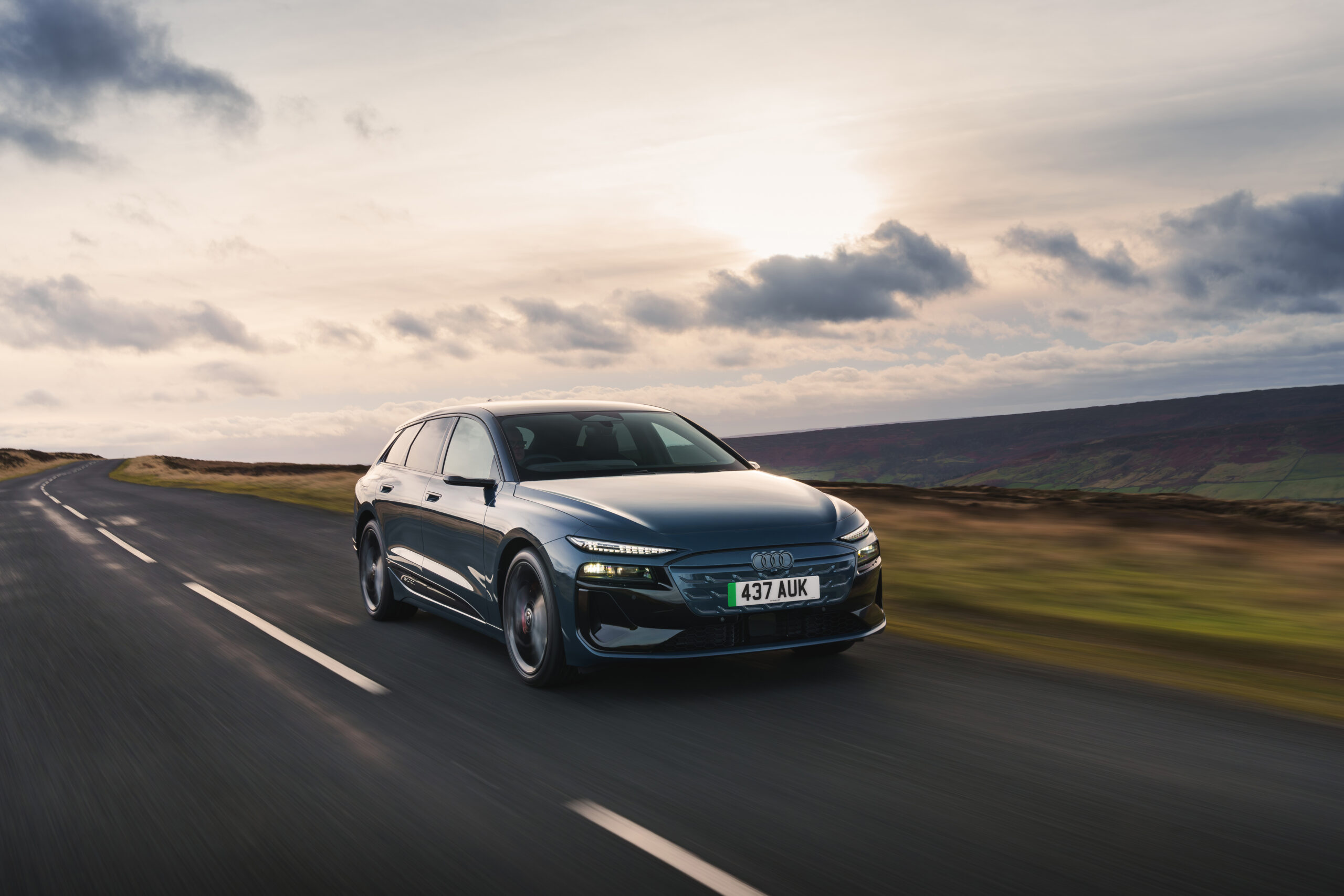
The Audi A6 e-tron won two trophies in the luxury and compact to luxury electric categories.

rn

This was the first time an all-electric model claimed victory in the luxury segment, defeating its diesel and petrol competitors. The achievement sends a strong signal to the industry, underlining that used electric cars are making gains.

‘What a wonderful surprise for everyone who believes in the future of electromobility and has been waiting for signals from the market,’ said Thorsten Barg, managing director of Schwacke.

‘Audi’s success with the electric version of the A6 Avant in this open class against strong combustion engine competition shows that electromobility is now arriving on the used car market,’ he added.

Close behind in second and third were models with internal-combustion engines: the BMW 5 Series and the Mercedes-Benz E-Class.

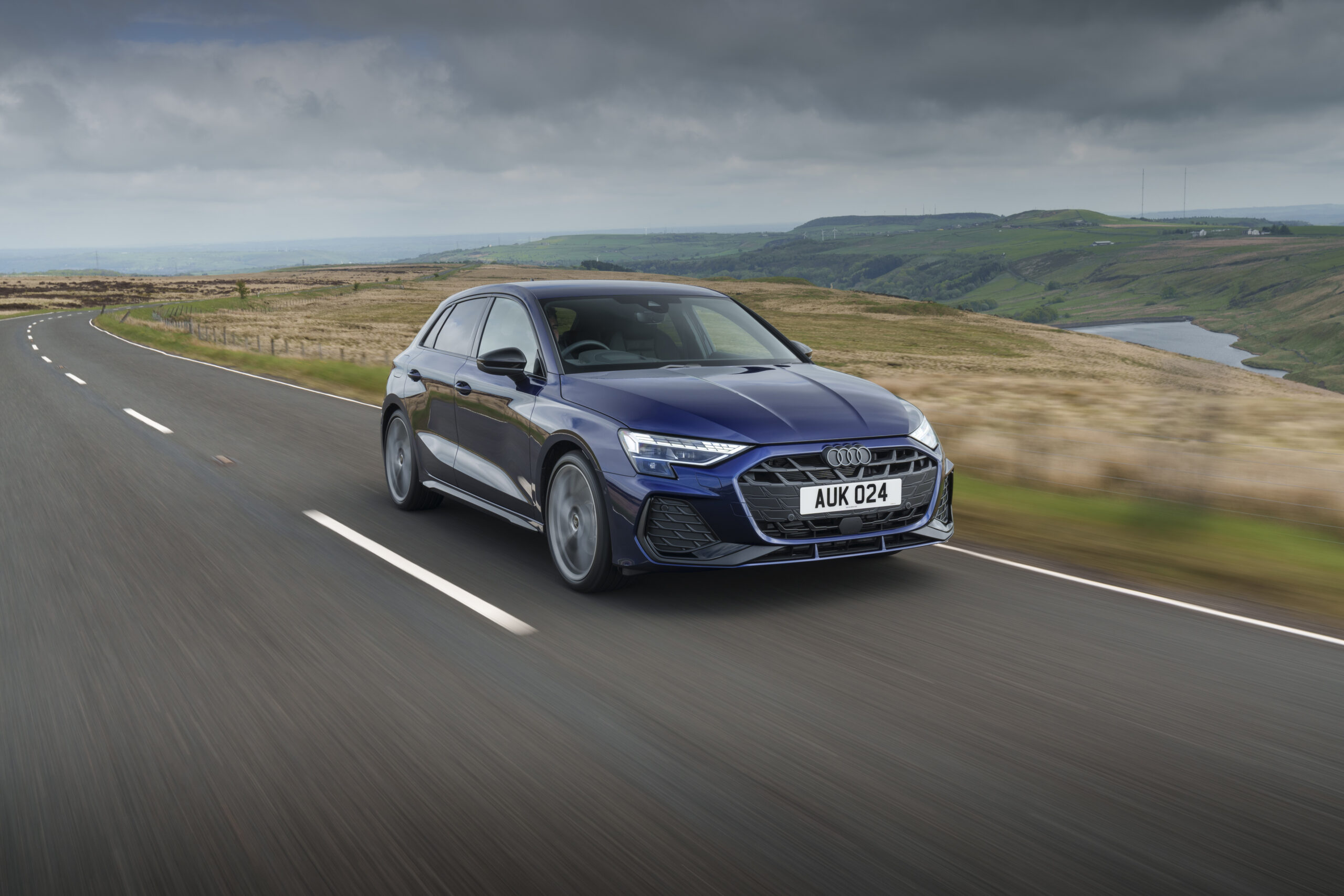
In addition to the double title for the e-tron, Audi also celebrated a win in the compact car category. The Audi A3 impressed with its high value retention, versatility and modern design.

Small car clash

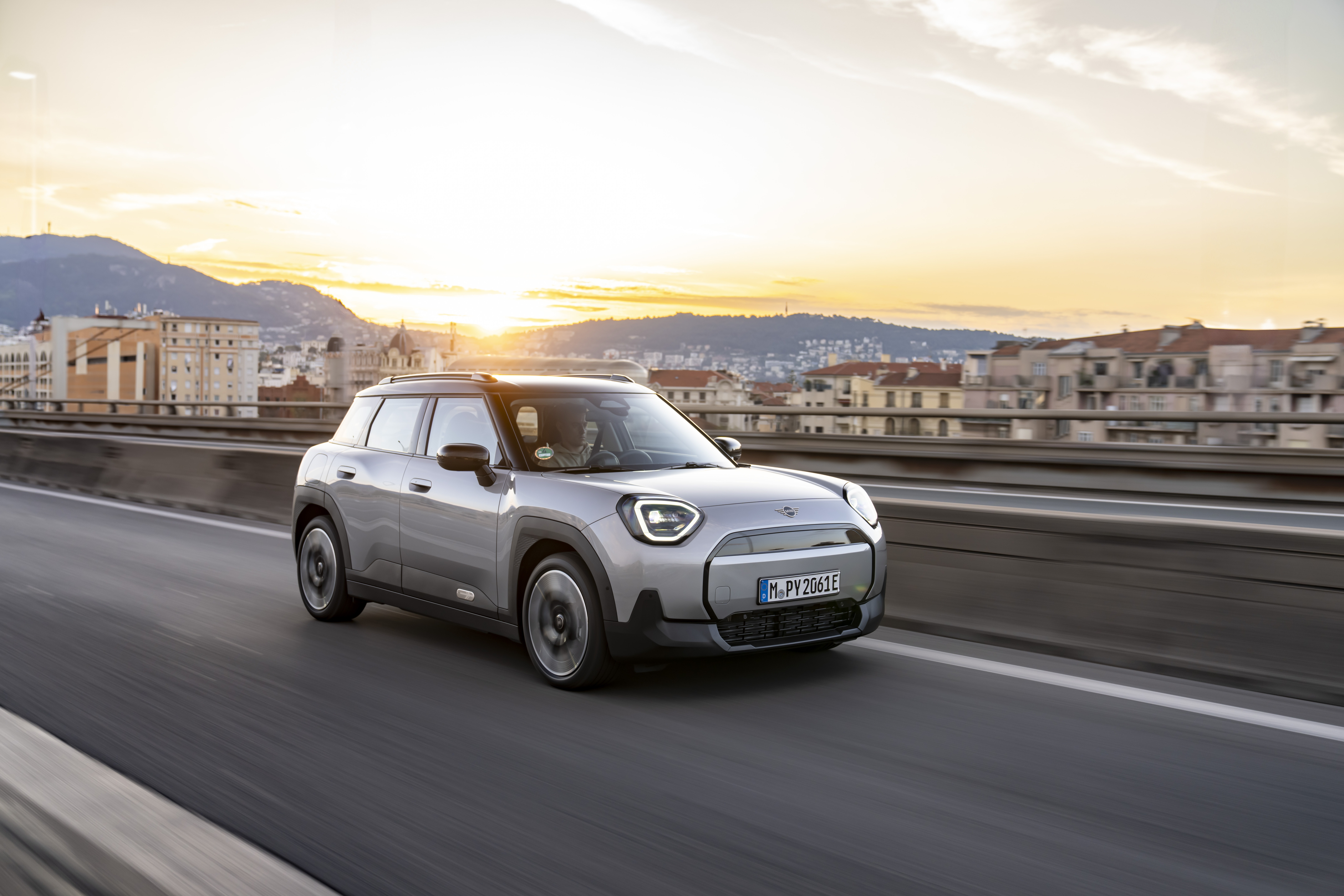
For the past four years, the Dacia Sandero was the undisputed leader in the small car category. This year, it had to relinquish its title to the Mini Cooper Cabrio. The model stood out with an exceptionally high value retention.

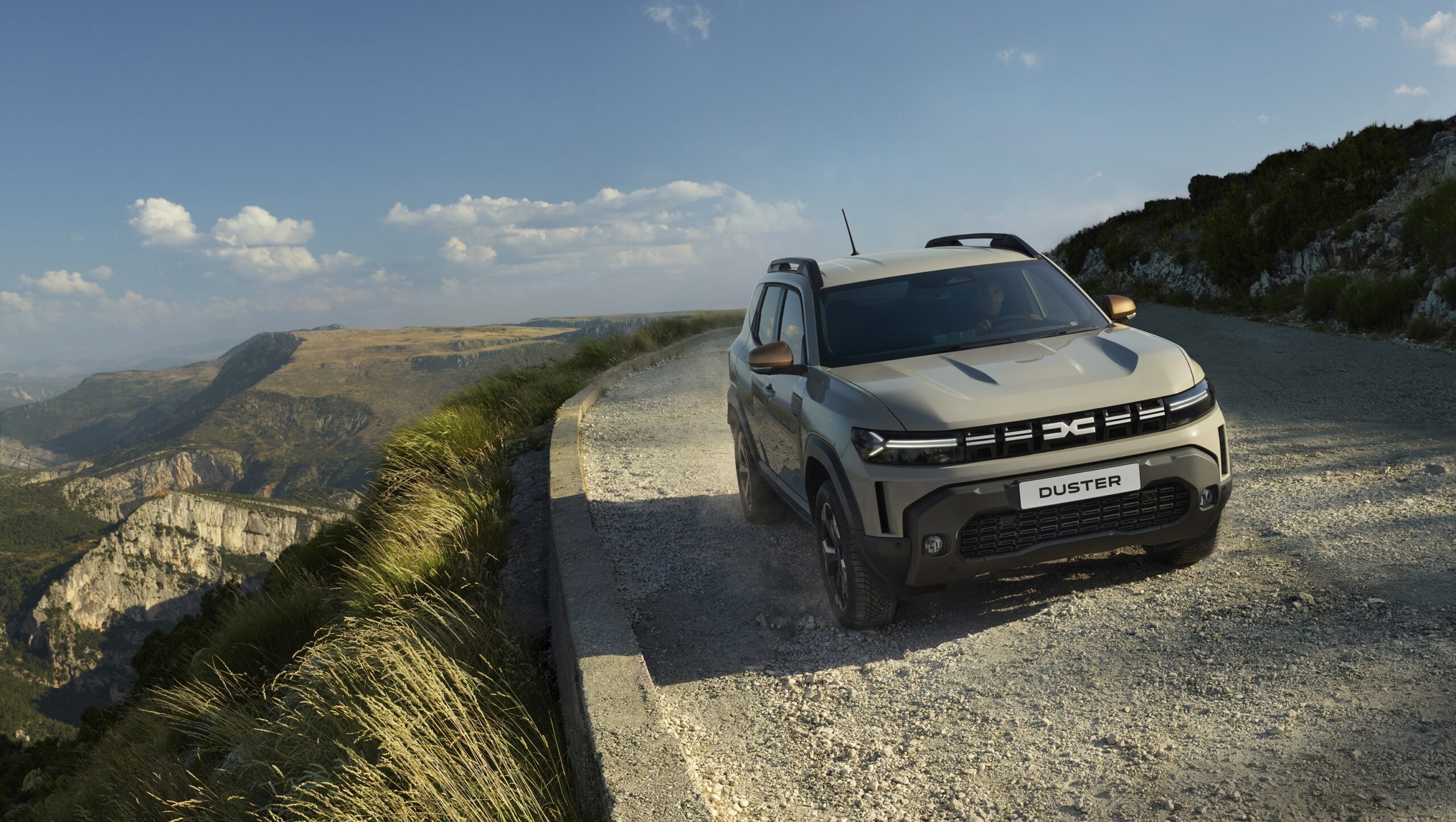
However, Dacia claimed a win in the compact SUV category with its Duster. The model impressed with a strong overall package. Everyday practicality, robustness, and an excellent price-performance ratio added to its used-market appeal. Dacia’s focus on essentials appeals to many customers, and this is reflected in its residual value (RV).

With the Mini Aceman, BMW also impressed in the electric small car category. Available as a battery-electric vehicle (BEV), the Aceman achieves a WLTP range of up to 406km, making it an attractive choice in its segment.

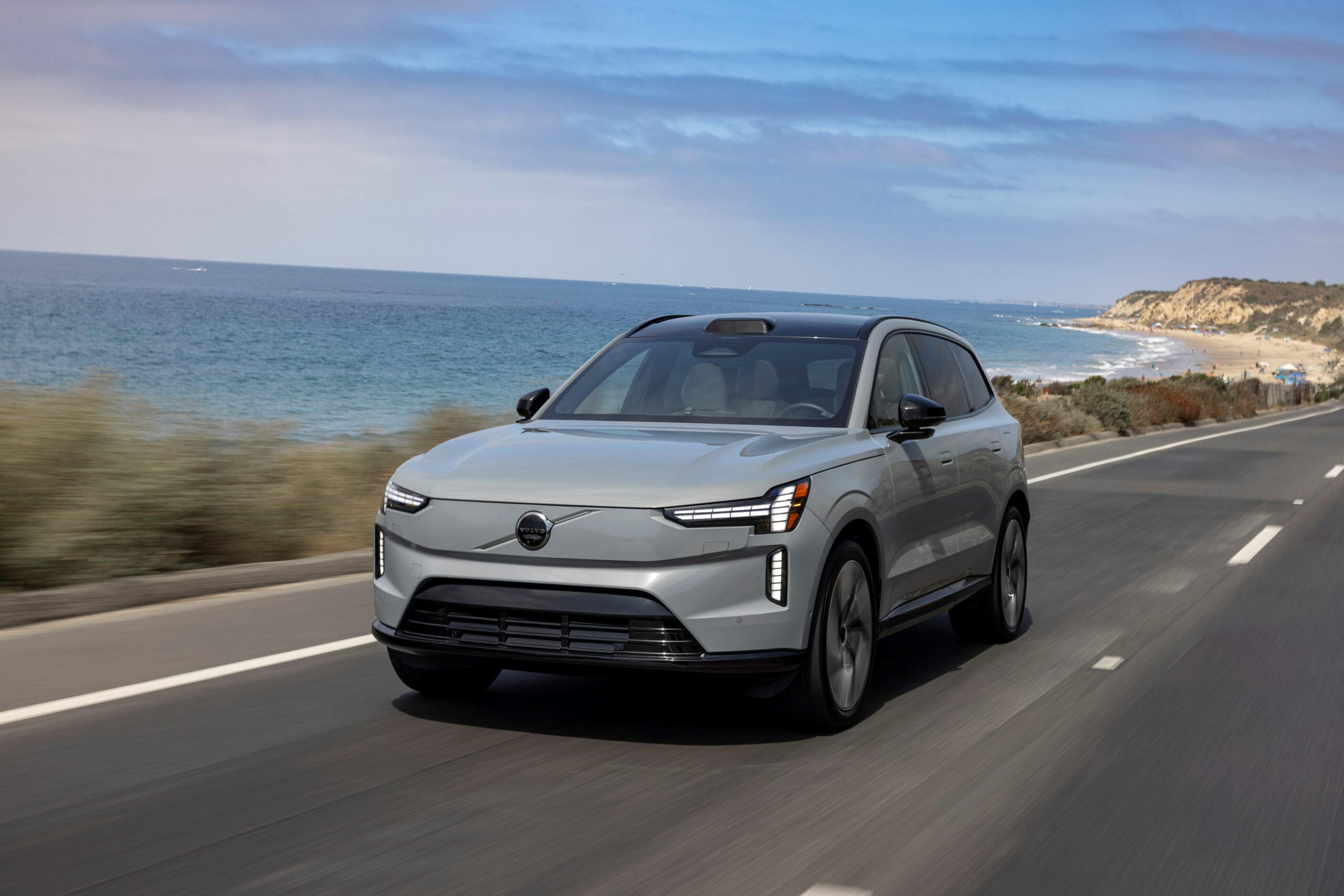
Electric vehicles (EVs) enjoyed more success in the compact to luxury electric SUV category, with the Volvo EX90 crowned the winner.

The model incorporates sustainability measures such as the use of recycled materials and reflects the brand’s ongoing shift toward electromobility. With an emphasis on safety and environmental performance, the Swedish company is consolidating its place within the premium electric segment.

Wertmeister highlights RV importance

RVs play a central role in the automotive industry. For private buyers, it directly affects the future resale value, often a key criterion when choosing a new car.

In leasing and financing, the calculated RV directly impacts monthly payments. Even for manufacturers, stable value retention can significantly boost a model’s market success. A Wertmeister win signals a model’s exceptional value stability.

‘Many Wertmeister winners are expensive to buy. If you drive a Porsche, Mercedes, or Mini, you pay a lot upfront, but then benefit when reselling, said Robin Hornig, editor-in-chief for Automotive at the Bild Group.

‘In the RV rankings, model lines and brands that offered either particularly affordable vehicles or a high position in the premium and lifestyle segments prevailed again. Additionally, we see strong improvements in electric cars, both in terms of range and charging speed as well as everyday practicality,’ Barg summarised.

Given the rapid development across the automotive landscape, keeping an eye on RV trends pays off. This key metric remains a crucial factor for a model’s market success and will continue to prove pivotal to the industry.

What are the major trends shaping Europe’s biggest used-car markets? Can a brand’s country of origin boost the residual values (RVs) of its models? Plus, the biggest talking points ahead of this year’s IAA Mobility. Autovista24 journalist Tom Hooker examines the week’s biggest news in the latest Automotive Update podcast.

In this week’s episode, Autovista24 reveals the value retention trends across European used-car markets. Also, a deep dive into how a brand’s country of origin impacts its RVs. Is there such a thing as automotive home advantage? Finally, a look at what to expect from the IAA Mobility event in Munich.

Subscribe to the Autovista24 podcast and listen to previous episodes on SpotifyApple and Amazon Music.

European used-car market declines

Stagnation and decline defined RVs across most European used-car markets in August. Absolute trade values for a typical 36-month-old car dropped in Austria, France, Italy, Switzerland, and the UK. Only Spain and Germany escaped this trend.

Compared with August 2024, RVs fared better overall. However, Italy, Switzerland, and the UK still posted declines.

Rising new-car costs are pushing more buyers towards the used-car market, lifting absolute RVs as higher prices are paid for models. However, when presented as a percentage of new-car list price (%RV), a different story emerges.

Month on month, used-car %RVs slipped across nearly all markets, with Spain the solitary exception. Elsewhere, declines ranged from a modest 1.8 percentage point (pp) drop in Germany to a sharp 5pp fall in Switzerland.

Can country of origin boost used-car values?

Used-car RVs are shaped by many forces, from shifting economic conditions to vehicle design and technology. But does a brand’s country of origin play a role in value retention and market prospects?

For example, Skoda is synonymous with Czechia’s automotive market. A 115bhp, 12-month-old petrol-powered Skoda Fabia with an automatic gearbox at 20,000km, retains a higher percentage of its value in its home market than in other countries.

More generally, certain models appear to gain a domestic advantage. The Peugeot 308 retains a greater amount of its list price at home in France, compared with Spain or Germany. However, the same was not true for all models examined. While there can be an advantage, this is often overshadowed by a variety of factors. 

Key IAA Mobility showcases

This year’s IAA Mobility show in Munich is set to feature a host of new models and concepts from major carmakers. BMW is using the event to reveal its Neue Klasse electric platform. Spearheaded by the BMW iX3, the Bavarian brand says it marks the start of a ‘new era.’

Fellow German manufacturer Audi is presenting its renewed brand design. According to the carmaker, the Audi Concept C will represent ‘a new beginning for the company as a whole.’

Volkswagen (VW) will unveil a new fully-electric compact SUV, set to hit the market in 2026, according to VW’s technical development chief Kai Grünitz. The brand will also showcase the recently premiered T-Roc and the ID.3 GTX Fire+Ice. Meanwhile, Mercedes-Benz is showcasing its new all-electric GLC and its new all-electric VLE.

Renault’s sixth-generation Clio will be on display in Munich, while Skoda plans a world premiere of its Vision O concept. Cupra will debut a concept called the Tindaya at the IAA. Notable non-European OEMs attending IAA Mobility include Hyundai, unveiling its Concept THREE car at the event. Fellow Korean brand Kia will also be on hand with its EV2 concept.

From China, BYD will be equipped with its Seal 6 DM-i Touring, a European debut for the company’s latest plug-in hybrid. Elsewhere, Leapmotor will present its B05 all-electric hatchback model at the IAA, according to Auto Motor und Sport

Residual values (RVs) are influenced by multiple factors, from economic trends to design features. But can a brand’s country of origin benefit the value retention of its vehicles? Dr Anne Lange, product director of valuation applications at Autovista Group, considers the question.

Many factors collectively determine value retention. For example, there is the balance of supply and demand, the economic environment and regulatory policies. Additionally, carmaker decisions around model portfolios, design, and technological features all play a big part.

However, can a brand’s country of origin also influence its domestic RV performance? With so many factors at play, it is not easy to single out such an intangible factor.

In particular, European markets can see drastically different RV levels and developments. For example, Spain currently enjoys high RV resilience with values presented as a percentage of retained list price (%RV).

The country broadly sees higher used-car values, partly due to lower new-car prices. In contrast, RVs are under pressure in Italy, riding at a comparatively lower point with higher average new car prices.

rn

The same goes for fuel types when considering 12-month-old cars at 20,000km. In France, battery-electric vehicles (BEVs) and plug-in hybrids (PHEVs) are falling behind the value retention rates of other powertrains. Meanwhile, in markets like Germany and Spain, the difference is less pronounced for these electric vehicles (EVs).

With this in mind, how do models perform in their brand’s country of origin? Is there a discernible difference compared with rivals?

RV benefit for Skoda

Skoda’s Czech heritage is a useful example. Domestically, an automatic, 115hp, petrol-powered 12-month-old Skoda Fabia at 20,000km, retains more value in percentage terms than in other markets.

rn

However, Czechia has much lower new car prices. Economically, it is quite different from larger central European markets, where there is greater sway over the RV landscape. This sets Czechia apart from other European countries.

Compared with similar models in its segment, accounting for specifications and pricing, the Fabia still boasts greater %RVs in Czechia. While the model is still competitive in Germany, it does not enjoy the same advantage.

rn

While this is only one variant of the Fabia, a similar pattern is apparent in larger segments. For example, an automatic,150hp, petrol-powered, front-wheel drive Skoda Kodiaq also achieves higher %RVs in Czechia than other European markets. It outperforms its European competitors in Czechia as well.

Domestic brand advantage is not a given though, as other factors play a significant role in RV performance. A diesel-powered Kodiaq with 150hp has a less pronounced local advantage.

rn

When compared with its %RV competitors locally, the Kodiaq is not the top performer in Czechia or Germany. However, it does beat its competitors in the UK. This indicates that brand origin does not appear to be a determining factor in %RV performance in this example.

So, in some cases, Skoda models outperform their competitors in Czechia, but many other factors influence RVs. Importantly, Czechia has a very different pricing structure compared with other European countries.

Does Peugeot benefit?

Peugeot is a traditional French brand, with some domestic benefits. An automatic, 130hp, diesel-powered, front-wheel drive Peugeot 308 Allure enjoys a %RV advantage in France compared with Spain and Germany. This is despite new price levels not being particularly low, which usually benefits %RVs.

rn

The 308 also outperforms its competitors in France, and to a lesser extent in Germany and Spain. So, the French model’s performance is similar to the Fabia. It enjoys a %RV advantage across different markets, including its brand’s country of origin.

Does BMW enjoy any domestic benefit?

As a well-established premium brand, BMW enjoys domestic value retention benefits. An automatic, 150hp, petrol-powered, front-wheel drive, BMW X1 with a base trim has a positive %RV performance in Germany.

This level of value retention exceeds those recorded by the X1 in Italy and Spain. However, the car sees its best %RV levels in France.

This further demonstrates how a brand’s origin can influence %RVs but is far from the deciding factor. In Germany, the X1’s new price is comparatively low, which also benefits its value retention rate.

rn

Within Germany, the BMW X1 outperforms its local competition. However, Audi and Mercedes-Benz are also German brands, making brand origin an immaterial influence. The X1 also leads the pack in France, where brand origin also does not apply.

So, while at first glance the BMW X1 appears to enjoy a brand origin benefit, further inspection reveals that other influences are likely responsible for the model’s %RV success. 

BEVs and regional influences

This differentiated performance across varied markets is a defined trait for BEVs. The powertrain experiences varied results and RV patterns according to localised influences like purchase incentives and taxation.

This is apparent when examining the electric counterpart of the X1. An automatic, front-wheel drive, 204hp, base version of the iX1 retains the highest %RVs in Spain. However, value retention is generally higher in the country anyway.

The electric model does perform relatively well in Germany, while levels are noticeably lower in Italy and the UK. Instead, the iX1 is far close to the BEV market average.

rn

In Germany, the iX1 retains a greater amount of its new-car list price than its competitors. However, this includes other German brands, indicating that this %RV performance is not a domestic benefit.

A general conclusion about the iX1 outperforming its competitors across markets can also not be drawn. For example, in France, the Mini Countryman and the Mercedes EQA rank as the top-performing models.

A complex calculation

Far from isolated examples, these models reveal the complexity of confirming whether a brand’s country of origin benefits its RVs.

While there can be a local advantage, many other factors have a far greater influence on value retention. This effectively obscures any fringe effect of a brand’s country of origin.

So, brand origin alone does not guarantee positive %RVs. It can have a beneficial effect, although this can be easily overpowered by other overarching factors.

How did Europe’s biggest used-car markets perform in the first half of 2025? What can be expected from Ford in 2027? Which Volkswagen (VW) models will not see their prices rise? Autovista24 editor Tom Geggus delves into the week’s news in the latest Automotive Update podcast.

In this week’s episode, Autovista24 special content editor Phil Curry discusses Europe’s five biggest automotive markets. New-car sales experienced volatility in early 2025, but did used cars face the same issues? What new electric vehicles (EVs) does Ford have in store? Lastly, a breakdown of VW’s pricing strategy.

Subscribe to the Autovista24 podcast and listen to previous episodes on SpotifyApple and Amazon Music.

European used-car market fortunes

Europe’s big five automotive markets have seen new-car volatility so far this year. Meanwhile, the used-car sector has told a more nuanced story, with a trend of disunity.

In the second quarter of 2025, the UK and Italy stood out with positive transaction performances. In the UK, petrol vehicles accounted for over 90% of all used-car transactions during the second quarter. However, this dominance appears to be in decline following a rise in electrified sales.

Italy saw used-car transactions increase by 17% in the second quarter of the year. These gains contrasted sharply with the country’s new-car sector, which fell in the second quarter of 2025.

Used-car market pressures

Germany’s new-car market faced considerable challenges last year, and these issues have persisted into 2025. Ongoing pressure has constrained vehicle supply, in turn impacting the volume of used-car transactions. Even so, this market has proven resilient, declining by only 0.1% in the second quarter.

France currently has the weakest new-car market among Europe’s big five. A small decline in the used-car market suggests that while demand has held up, broader market conditions remain challenging.

So far this year, Spain has enjoyed one of the greatest new-car results, with registrations up by 13.8% year on year in the second quarter. However, its used-car market was defined by an ageing parc and falling transactions.

Ford’s upcoming EV line-up

Ford has announced its new family of affordable EVs will hit the road in 2027. The models will sit on the carmaker’s new universal EV platform. Ford claims this will reduce the required parts by 20%, compared with a typical vehicle.

The first model in this line-up will be a midsize, four-door electric pickup with a targeted starting price of about $30,000 (€25,664). It will be built at Ford’s Louisville assembly plant for US and export markets. The carmaker is investing nearly $2 billion in the site, which it states will secure 2,200 hourly jobs. 

VW’s pricing plans

VW Passenger Cars is set to increase the cost of some of its vehicles later this month. Automobilwoche broke the news after seeing a letter from the carmaker to its dealers.

On 21 August, cars from the brand’s 2026 model year are set to see prices rise by 1.5% on average. However, the carmaker’s electric models, from the ID.3 to the ID.7, look to be exempt, alongside the T-Roc.  

Europe’s big five automotive markets are experiencing a rollercoaster ride with new-car registrations. But have used-car transactions faced similar struggles in the first half of 2025? Autovista24 special content editor Phil Curry examines the data.

Used-car markets in the UK, Germany, Italy, France, and Spain recorded mixed results in the second quarter of 2025. This reflects ongoing uncertainty in the new-car sector.

Two markets remained stable, with marginal declines, while one experienced a drop in contrast to its new-car market. Two others improved, with one market returning to pre-COVID-19 levels.

Between January and June, all of these used markets were up compared to the first half of 2024. However, with poorer performances compared to the first quarter of 2025, there were mixed volumes across the six months.

rn

UK used-car market grows back

In the second quarter of 2025, the UK’s used-car market registered a year-on-year improvement of 1.7%. In total, 1,996,116 transactions took place, according to data from the SMMT.

This was slightly below the total from the first three months of the year. However, the figures marked the 10th consecutive quarterly growth for the country’s market. This has been bolstered by an ongoing recovery in new-car registrations, which have boosted the supply of used vehicles.

rn

The second quarter got off to a slow start, with a 0.4% improvement in April, with 672,145 transactions. May saw 689,196 units change hands, equating to growth of 2.5%. This was the best result in the three months. June saw 634,775 transactions, a 2.1% rise on the same period in 2024.

Petrol remained the best-selling fuel type between April and June, with transactions up 1.5% to over 1,134,387 units. Diesel declined 4.3% to 664,644 used sales. However, this is better than the 12.9% decline in the new diesel market, suggesting there is still appetite for the powertrain.

Combined, internal-combustion engine (ICE) models made up 90.1% of all used-car transactions in the second quarter. However, this was down by 2 percentage points (pp), with a rise in electrified vehicle sales eroding this share.

Electric on the rise

According to the SMMT, 9.7% of transactions in the second quarter came from full hybrids (HEVs), plug-in hybrids (PHEVs) and battery-electric vehicles (BEVs). BEVs showed the strongest growth, up 40% with 68,721 all-electric models sold, taking a 3.4% market share.

HEVs saw sales increase by 27.7% to 100,127 units. This gave the powertrain a 5% share of the UK used-car market. PHEV transactions improved by 10.3% with 24,370 units changing hands, leaving them with a 1.2% share of all used sales.

Close to pre-COVID-19 levels

In the first half of the year, the UK’s used-car market was up by 2.2%, with 4,017,106 transactions. Compared to 2019, this was down by just 0.9%. The first quarter of the year saw sales increase only marginally, while the second quarter slumped 1.9%. This is the closest the market has been to 2019 levels since COVID-19.

‘Surpassing the four million half-year milestone for the first time since 2019 shows the UK’s used-car market is building back momentum,’ commented SMMT chief executive Mike Hawes.

‘That is good news for the industry and for motorists who benefit from more choice and affordability across a range of higher tech, cleaner vehicles, notably in the emerging electric vehicle sector,’ he added.

‘To maintain this trajectory, a thriving new-car market must be delivered across the segments, along with accelerated investment into the charging network to give every driver the ability to switch,’ Hawes commented.

The country’s used-car market is operating in contrast to the new-car sector. The first half of the year saw increases and decreases. In the second quarter, registrations were up by just 0.1%. However, a strong March result and decent deliveries in June meant new-car registrations were up by 3.5% in the first half.

Germany levels out

Germany’s used-car market has remained roughly stable across the year so far. In the second quarter, transactions declined by just 0.1%. 1,637,191 used models changed hands in the month, according to figures from the KBA. 

rn

Sales have been on a rollercoaster ride, with three months of growth and three of declines so far this year. The second quarter started off with a 1.8% drop in April, as 570,882 cars were traded. A 3% improvement followed in May, as 544,683 transactions took place. However, June saw figures drop by 1.2%, with 521,626 cars sold.

This meant that in the first half of 2025, Germany’s used-car sector was up by just 0.3%, with 3,273,781 transactions. This was a difference of just 8,985 units in the six months.

However, the country’s new-car market is experiencing a very different performance. Registrations in the second quarter were down by 5%, with the country seeing deliveries in the first half dropping 4.7%.

Italian used-car disparity

Italy experienced the second-biggest disparity between new and used-car market fortunes across the first half of 2025. In the second quarter, used-car transactions increased by 1.7%, with 1,371,835 passenger cars changing hands, according to ANFIA.

rn

April was the best month of the quarter in terms of both volume and growth. 472,999 transactions took place, up 5.7% year on year. With 463,273 transactions, a 3.9% decline in May brought a run of eight consecutive months of improvements to an end. June saw a 3.9% improvement, although the 435,563 transactions were not enough to balance the volume decline from May.

The country’s used-car market ended the first half of 2025 with an improvement of 3.1%. In total, 2,849,751 transactions took place between January and June. This indicates that the Italian public is still drawn to the used-car market.

This was in contrast with the country’s new-car market. It saw a 5.6% fall in the second quarter of 2025, with only April providing any improvement. This meant the first half of the year ended down 3.5%.

France remains stable

As the French new-car market appears to be struggling, transactions of used cars remained stable in the second quarter.

According to Autovista24 calculations of figures from AAA Data, 1,353,506 models changed hands between April and June. This was a 0.3% decline compared to the same period last year. Following a 2% improvement in the first quarter, this suggests the market has stalled.

rn

April was the best month of the second quarter, with 478,129 transactions taking place. This was a 3.1% improvement year on year. May remained stable, with a small 0.3% increase, but June proved damaging, with a 4.1% decline.

So, in the first six months of 2025, three months saw growth and three experienced declines. 2,717,241 transactions took place between January and June, up by 0.9% year on year.

Changes ahead?

In May, the French parliament voted to abolish low-emission zones. However, this is yet to be approved, with both houses of Parliament required to pass the law. In addition, it must also be validated by the Constitutional Council.

According to AAA Data, this has yet to have an impact on vehicles displaying a ‘Crit’Air 3’ sticker or above. These vehicles are restricted from entering certain urban areas, which has hampered their sales in the used-car market. However, ‘Crit’Air 3’ transactions were down by 7% in June. This may change should the potential abolition come into effect.

June also highlighted powertrain trends in France’s used-car market. HEVs achieved the greatest growth, up by 43% in the month, while mild hybrids (MHEVs) saw a 19% improvement. BEV transactions also grew, up by 15%.

Diesel remained the most sought-after fuel type, accounting for 45.7% of all used sales. However, its transactions fell 8%, as did petrol. Combined, ICE vehicles made up 83.6% of the market. Electrified vehicles, made up of HEVs, PHEVs and BEVs, accounted for 11.1%.

The used-car market is in direct contrast to the new-car sector. France has been the worst-performing market of Europe’s big five so far in 2025. It recorded no growth at all in the first six months of the year. Registrations were down by 8.1% in the second quarter, after declining by 7.9% in the first half of 2025.

Spain’s used-car struggles

Unlike France, Spain’s new-car market has flourished so far this year. However, he country’s used-car sector paints a different picture.

rn

In the second quarter, transactions fell by 2.2%, as 511,067 cars changed hands, according to Autovista24’s analysis of GANVAM’s figures. A 12% decline in April and a 4.1% downturn in May undid much of the improvement achieved in the first quarter. The results were saved from further decline by a strong performance in June, with sales up by 11.8%.

According to GANVAM, a total of 163,202 transactions took place in April, with 174,198 sales in May, and 173,667 used cars changing hands in June. This meant 1,027,739 units were sold, up 3% year on year, according to Autovista24 calculations.

The industry association states that sales of passenger cars up to five years old improved by 7% in the first half. This meant they accounted for 26% of the market. Models between eight and 10 years old registered a 13.5% increase through June.

However, the bulk of used-car transactions seem concentrated in models over 15 years of age, accounting for over 41% of sales. This segment saw a 4.6% rise in transactions over the first six months of the year. Such performances are only increasing Spain’s average car parc age.

Diesel leads the way

Diesel vehicles remained the most popular powertrain, with 51.1% of the market, according to GANVAM. However, the total volume was down 0.2% between January and June. Petrol car transactions increased by 3.8% in the first half, representing 36.4% of the total market.

Sales of used BEVs continued their upward trend in the first six months, increasing by 51.9% compared to the same period last year, representing 1.2% of the total market. Sales of used PHEVs also increased by 41.5% in the period.

Spain’s used-car results were vastly different from its new-car market figures. Registrations were up 13.8% in the second quarter of the year, with a 13.9% rise in the first six months of 2025.

Exceptional circumstances have buoyed Spain’s new-car market this year. Government financial aid has supported drivers in the Valencia region. They have been replacing vehicles damaged by severe storms and flooding.

More significantly, the recent reinstatement of the MOVES III incentive scheme has turned around the country’s EV market. Aimed at BEV and PHEV purchases, this scheme provides subsidies up to €7,000.