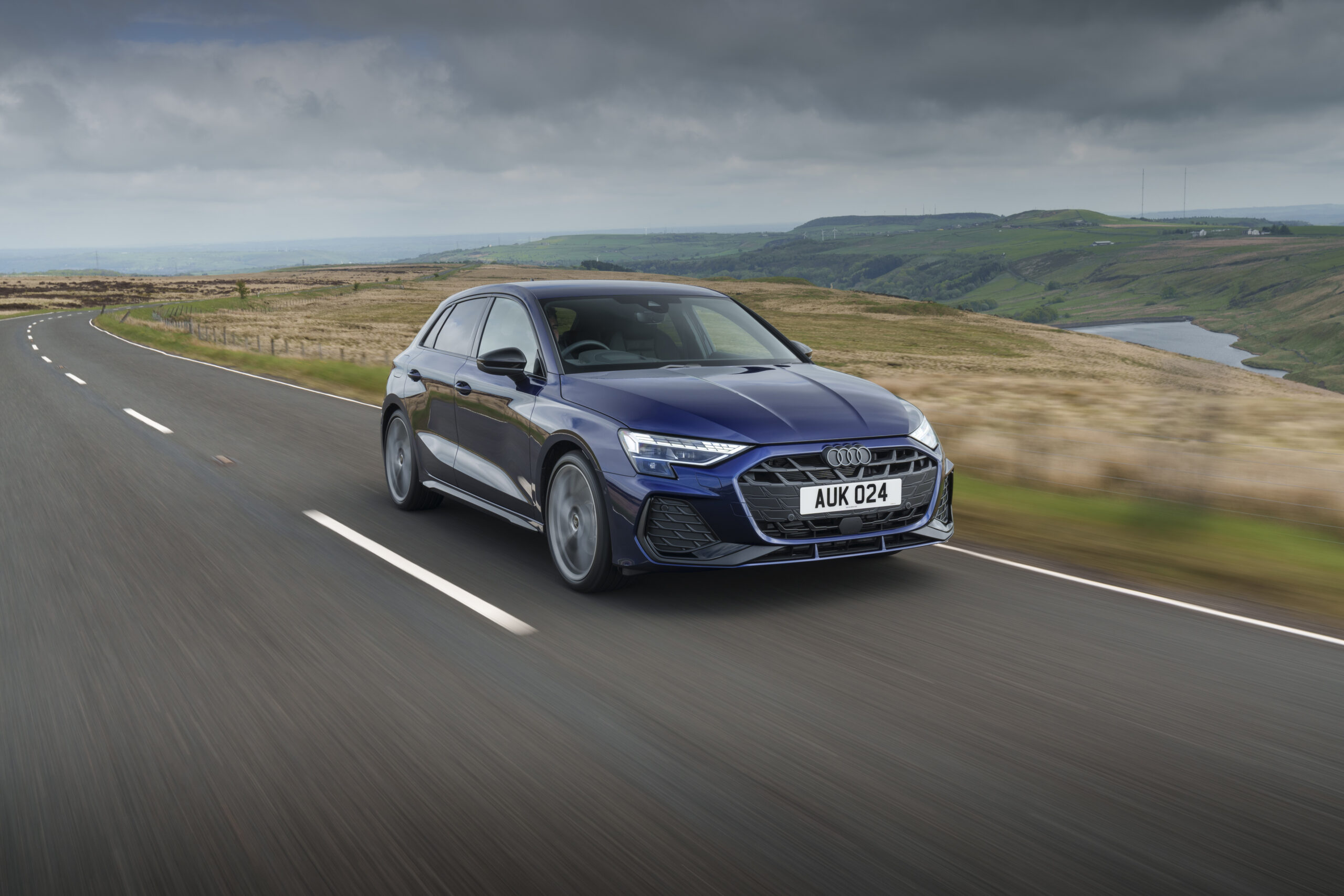
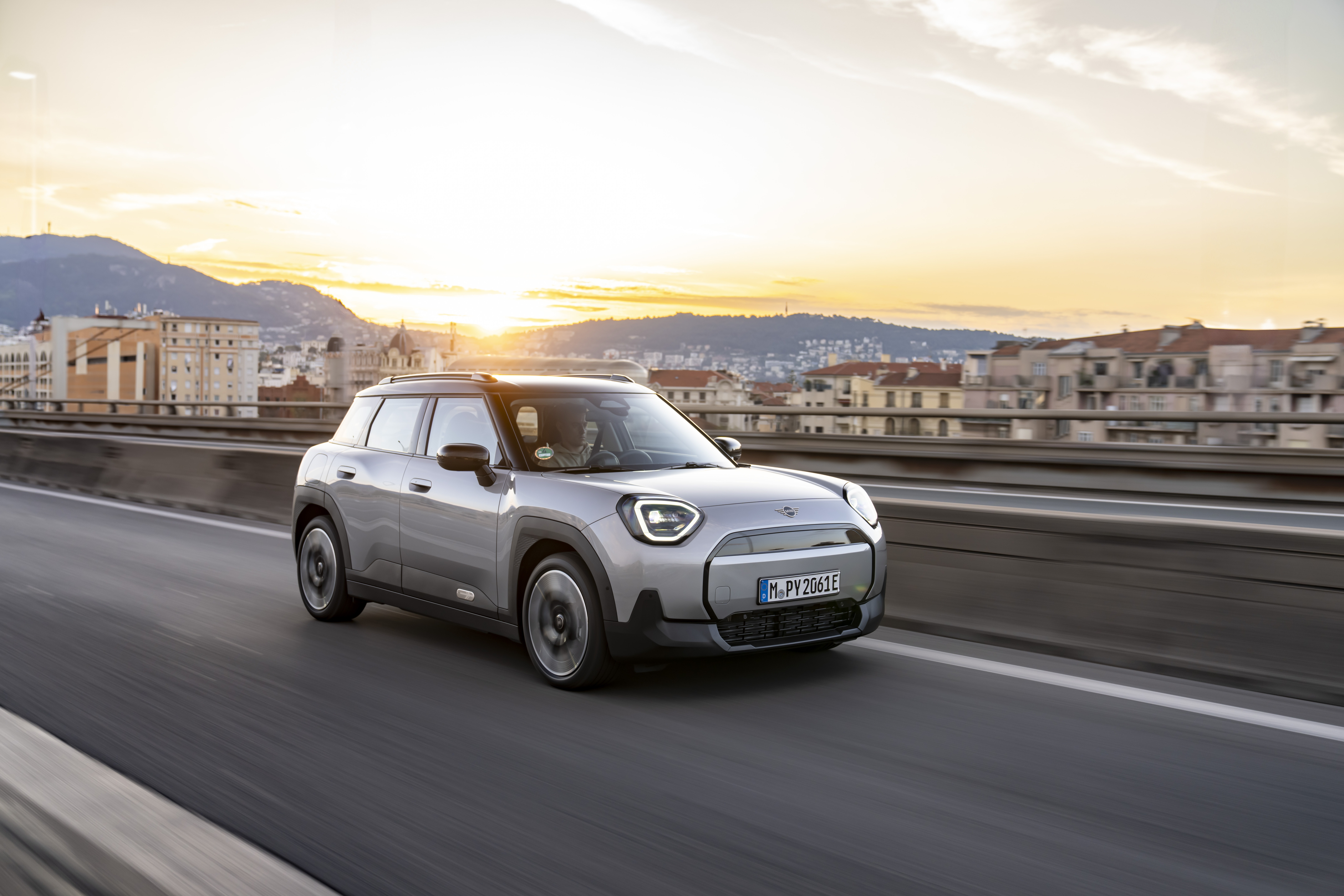
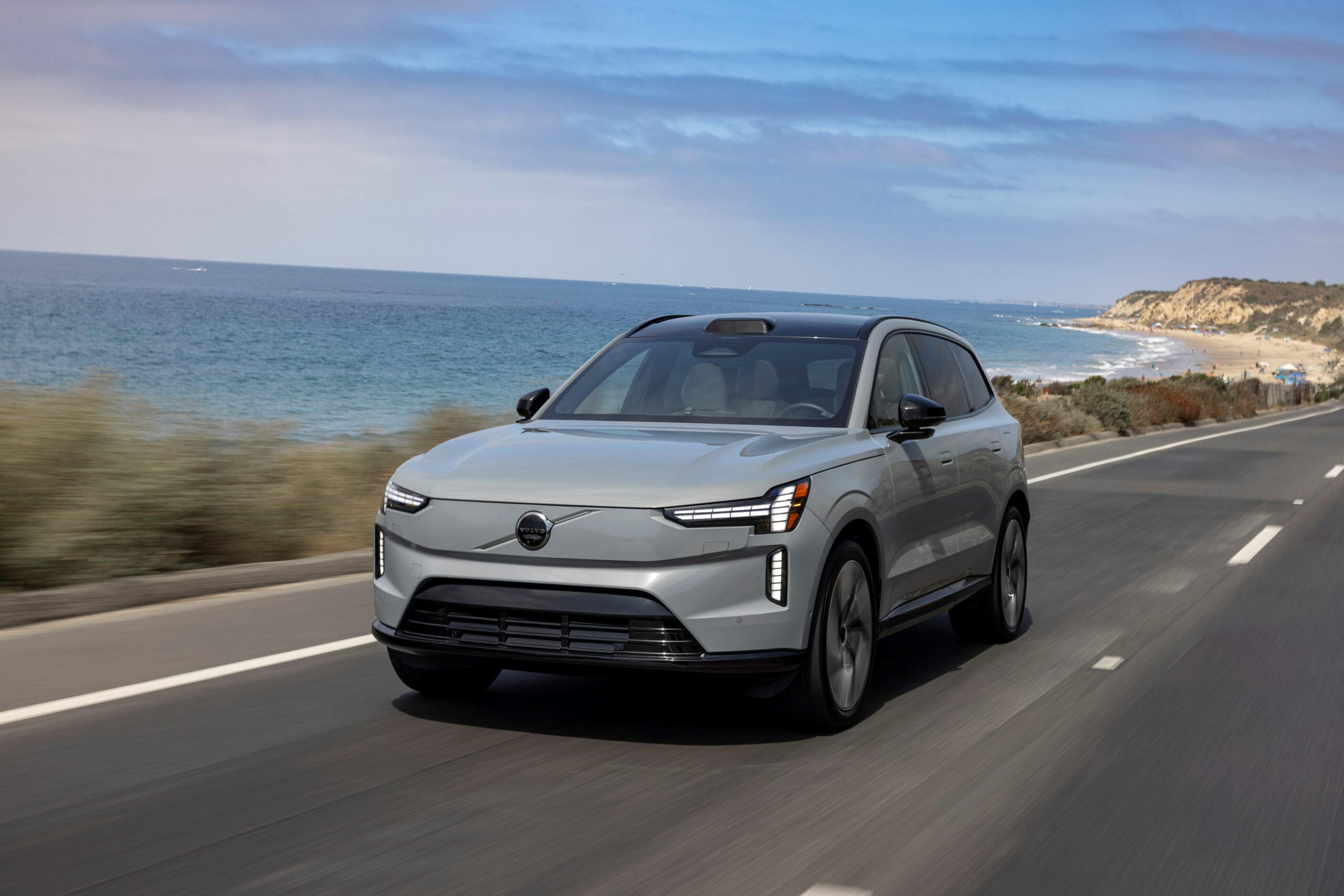
How did European used-car markets perform during October? Was supply and demand balanced? Were residual values (RVs) stable? Autovista24 editor Tom Geggus explores the trends with experts across Europe.

October saw a continuation of this year’s major used-car market trends across Europe. After 36 months and 60,000km, RVs presented as a percentage of retained new-car list price (%RV) fell in all observed countries. This includes Austria, France, Germany, Italy, Spain, Switzerland, and the UK.

While declines did not exceed 0.4 percentage points (pp) compared with September, the year-on-year changes were more pronounced. Switzerland saw the greatest drop compared with October 2024, with %RVs down 4.3pp. However, values have been normalising in Europe after COVID-19 halted supply and inflated RVs.

Compared with October 2024, five countries saw the active-market volume index (AMVI) record better results than the sales-volume index (SVI) in their respective locations. This indicates that the supply of 24-to-48-month-old cars outpaced demand across many used-car markets. This trend was less pronounced when comparing October 2025 with September 2025.

However, in Austria, France, Germany, Italy and Spain, these used cars took longer to sell on average month on month. Only Switzerland and the UK saw slightly faster sales rates, though these were marginal improvements of 0.1 and 0.3 days.

Of the observed markets, Switzerland saw the longest average time in stock at 78.5 days. Meanwhile, the UK recorded the fastest turnaround time at 34.4 days. The country is recording a unique trend with battery-electric vehicles (BEVs) taking the smallest number of days to sell. Meanwhile, full hybrids (HEVs) moved the fastest in Austria, France, Spain and Switzerland.

Austria’s persistent used-car headwinds

Austria’s SVI for two-to-four-year-old passenger cars rose by 5.1% in October compared to September. However, year on year, the index declined by 6.6%, reflecting persistent market headwinds.

The AMVI also increased month on month by 5.5%. Yet, compared to October 2024, this was down by 4.1%, indicating a continued supply contraction within this age bracket.

‘The average time needed to sell a used car in October remained stable at 64.9 days. Year on year, this metric improved by 2.1 days, suggesting a modest acceleration in turnover,’ explained Robert MadasAutovista Group’s regional head of valuations.

Among powertrains, HEVs remained the fastest-selling at 57.5 days, closely followed by diesel at 58 days. Then came petrol vehicles at 62.2 days and plug-in hybrids (PHEVs) at 73.7 days. BEVs continued to take the longest time to sell at 84.8 days.

The %RV of 36-month-old cars at 60,000km declined slightly to 47.5% in October. This marked a 0.1pp drop from September and a 2.5pp year-on-year decrease. In absolute terms, the trade RV rose to €22,162.1. This was up 0.8% month on month, and an improvement of 3.1% year-on-year.

HEVs retained the highest trade value at 50.3%, followed by petrol cars at 49.8%. Then came diesel models with 48.4% and PHEVs with 45.1%. Once again, BEVs held the lowest %RV, at 36.7%.

Looking ahead, %RVs are expected to remain stable in Austria until the end of this year. Forecasts suggest a 0.5% increase by the end of 2025 compared to December 2024. Then, a 0.7% decline is expected in 2026, followed by a 0.6% decrease in 2027.

France sees value stability

‘RVs were stable in France during October, with slightly higher list prices and very slight percentage value declines,’ said Ludovic Percier, Autovista Group’s senior RV analyst for France.

Compared with September 2025, all powertrains took longer to sell on average. The SVI also dropped year on year as the used-car market reacted to a complicated economic climate.

Petrol-powered cars followed the month’s general trend, while diesel %RVs increased very slightly compared with September. These used models are still in demand in France despite the number of new internal-combustion engine (ICE) registrations shrinking.

HEVs were once again the fastest-selling powertrain. Used models are in increasing demand in France, but carmakers cannot risk adding big price premiums to these units. This would jeopardise the powertrain’s RVs.

Three of the top five fastest-selling HEVs came from Toyota, including the RAV4, the Yaris and the Corolla. The other top spots were filled by the Kia Sportage and Hyundai Tucson, which took the shortest time to sell of any HEV.

PHEVs saw worse results, with used-car buyers not accepting the powertrain’s higher prices. As these models now feature longer ranges, many brands have had to increase list prices. Vehicles with a smaller electric range below 60km have been the most heavily impacted.

Supply and demand imbalance

‘Demand and supply are still unbalanced. In previous years, many vehicles were sold to fleets on the back of fiscal advantages,’ Percier added.

However, private used-car buyers have no interest in paying such a high price for PHEVs. Year to year, the powertrain saw the SVI fall by 13.1%. Smaller and cheaper PHEVs in the C-SUV segment were the easiest to sell.

At 35%, BEVs retained the lowest percentage of their original list price after 36 months and 60,000km. This was down both month on month and year on year. The fastest-selling BEV was the Tesla Model Y, offering a very comprehensive price positioning.

Both the new and used-car markets continue to be crowded. The new-car market will be pushed along by reinforced fiscal advantages for fleets.

Meanwhile, ICE models have been penalised more since the beginning of the year. This will increase the flow of BEVs into an already saturated used-car market. Social leasing will only exacerbate this situation.

Used-car demand flat in Germany

Following a modest increase in September, used-car demand in Germany remained almost unchanged in October. The SVI edged up just 0.1% compared to September. This still marked a 3.3% year-on-year decrease, indicating that market activity remains subdued compared to the previous year.

The AMVI for two-to-four-year-old passenger cars rose more significantly, by 4.3% month-on-month. Compared to October 2024, the index was up 9.1%, suggesting a recovery in supply within this age bracket.

The average number of days needed to sell a used car in October increased slightly to 60.4 days. This was up by 0.8 days from September and by 1.3 days compared with October 2024.

PHEVs sold the fastest at 59 days, followed by diesel models at 59.3 days. HEVs and petrol cars took slightly longer at 61.3 days. BEVs improved their turnover speed significantly and took 60.1 days to leave dealerships in October.

The average %RV of 36-month-old cars at 60,000km declined slightly to 48.3% in October, down 0.1pp from September and 1.6pp year on year. In absolute terms, the trade RV hit €21,599.9, a 0.8% month-on-month decrease but a 3.9% increase compared to October 2024.

Petrol cars led the market with a %RV of 50%. Then came diesel cars at 49.3% and HEVs at 48.9%, followed by PHEVs at 43.9%. BEVs again retained the lowest level of value at 36.7%.

‘Although RVs have stabilised recently in Germany, the level is significantly lower than in previous years, and demand remains rather weak,’ Madas said.

‘RVs can be expected to remain under pressure. By the end of 2025, %RVs are forecast to decrease by 2.6% compared with December 2024. Pressure will probably ease in 2026, with RVs forecasted to suffer a smaller decline of 1.4%,’ he added.

Italy used-car market on trend

‘October confirmed the anticipated trend for 2025 as outlined in the RV outlook. That is, a year-on-year decline in %RVs of 8.5%,’ highlighted Marco Pasquetti, Autovista Group’s cluster head of forecasting for Spain and Italy.

This drop is certainly significant, especially considering that %RVs ended 2024 down 7.5% compared to the previous year. However, it is important to remember that between 2020 and 2023, there was an unprecedented surge in values of over 30% in three years.

‘However, what is happening now should not be interpreted as a crisis in the used-car market. Instead, it should be considered a gradual return to a stable market following an exceptional, and therefore temporary, RV increase,’ Pasquetti highlighted.

There are currently no signs of a trend reversal or clear stabilisation, which means that this decline will likely continue over the next two years.

It is also notable that the volume of active listings was down 11% compared to last year. This decline is evident among PHEVs and BEVs, which still represent a relatively small market share. However, it is also apparent among diesel vehicles, which have dropped by as much as 16.7%. In contrast, full hybrids and LPG models have seen surges of 14.7% and 56.4%, respectively.

Overall, the fastest-selling model was the Dacia Sandero, which spent an average of 37.7 days. This is nearly half the market average of 69.8 days. The Audi A1, Toyota Yaris Cross, Dacia Duster, and Mini Countryman also performed well, each selling in under 50 days.

Spain sees solid demand

The positive new-car market performance in Spain has seen several consecutive months of double-digit increases. While registrations are still below 2019 levels, the market is recovering steadily. However, September saw the private channel and the business channel drive growth.

The MOVES III Plan continues to boost sales of electric vehicles (EVs), accounting for BEVs and PHEVs. These plug-in cars saw year-on-year growth of 97.9% and achieved a market share of 24%. In other words, nearly one in four new vehicles sold in September was an EV.

‘The used-car market is also in good health, with sales up by 5.2% year on year between January and September,’ commented Ana Azofra, Autovista Group’s head of valuations and insights, Spain.

Demand is solid and sustainable, with a significant rise in BEV and PHEV transactions, according to GANVAM.  In addition, they have seen a stronger professional channel and more stable prices than in other European markets.

Average transaction values only suffered a slight negative adjustment in October, down by 0.7% compared to September. This was due to the increased presence of EVs in the used-car sales mix, which tends to perform more negatively.

Overall, the situation is stable for ICE models and favourable for HEVs, which dominate the fastest-sellers ranking. The Toyota Yaris Cross leads the way with a turnover rate of 27.2 days, 40.5 days less than the wider market average.

Used-car stability in Switzerland

‘Following a strong rebound in September, used-car demand in Switzerland stabilised in October,’ Madas stated. ‘The SVI declined slightly month on month by 0.5% but still increased by 1.5% year on year.’

The AMVI rose by 1.5% increase compared to September but was still 8.4% lower than in October 2024. This indicates a tight supply of used cars in this age bracket.

The average %RV of a 36-month-old car at 60,000km remained relatively steady at 42.7%. This was down by just 0.1pp from September, and yet it marked a 4.3pp drop from October 2024.

HEVs retained the most value in October by far at 47.5%. Then came petrol cars at 44%, diesel models at 42.4% and PHEVs at 40.5%. BEVs continued to be the worst-performing powertrain, holding only 36.1% of their original list price.

The average number of days to sell a used car in October was 78.5 days. This was nearly unchanged from September. However, the performance was 5.5 days faster than in October 2024.

HEVs again sold fastest at 69 days. This was followed by diesel cars and petrol models at 76.2 days, and PHEVs at 85.7 days. BEVs improved significantly and sold at 85.8 days on average.

%RVs are forecast to decrease in the coming years, but at a slower pace. By the end of 2025, %RVs are expected to decrease by 7% compared to December 2024, with a smaller year-on-year drop of 1.7% anticipated in 2026.

Resilience in the UK

The UK’s used-car market presented a mixed picture in October. Despite the seasonal uplift in wholesale supply following September’s plate change, values remained broadly stable.

‘Average values dipped marginally by 0.1pp to 48.9% of the original cost-new price, indicating resilience in the face of increased stock levels,’ stated Jayson Whittington, Autovista Group’s regional head of valuations, UK.

The AMVI revealed a notable 13.6% rise in used-car availability on dealer forecourts compared to September, offering consumers greater choice. However, this did not translate into stronger retail performance.

According to the SVI, retail sales fell by 4.5% month on month in October, suggesting that increased supply may have outpaced demand.

Stock turnover remained steady, with dealers taking 34.3 days on average to sell a used car. This was slightly quicker than in the previous month and nearly identical to the same period last year.

Powertrain performance varied significantly. Diesel, HEV and petrol vehicles all outperformed the overall average %RV, retaining 52.2%, 52% and 50.1%, respectively. In contrast, PHEVs and BEVs lagged, retaining just 47.3% and 34.4% of their original cost-new price.

Despite their lower %RVs, BEVs continued to sell well. They were the fastest-selling powertrain in October, taking just 30.1 days on average to leave the forecourt. This was two days quicker than in September. This suggests that while BEV values remain under pressure, consumer appetite for fully-electric cars is still strong, particularly when pricing aligns with market expectations.

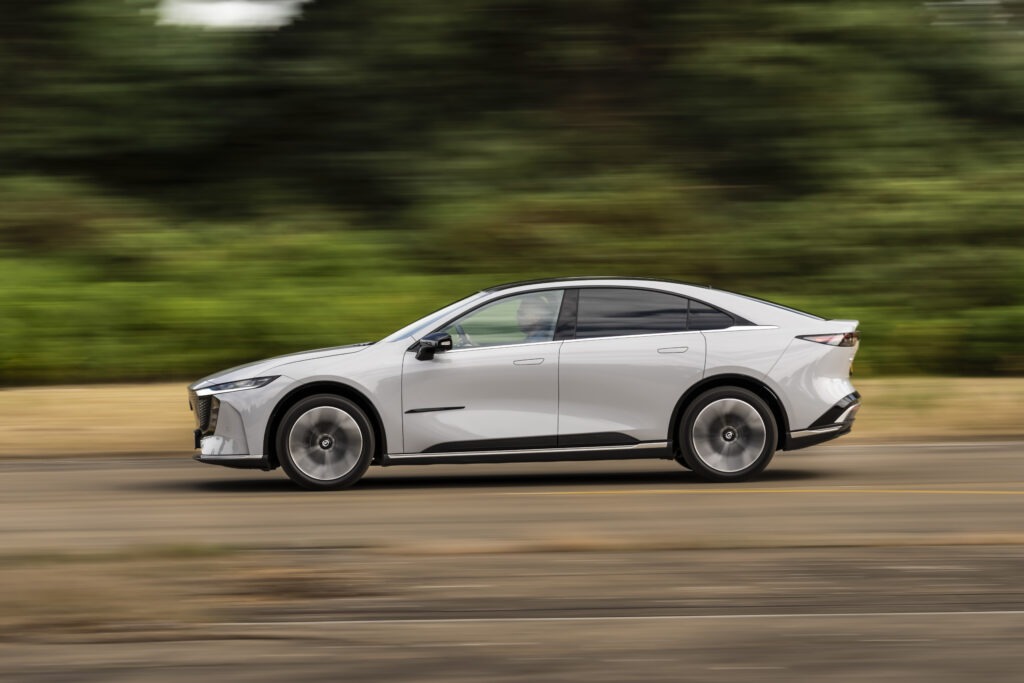
The Mazda 6e is the first battery-electric vehicle (BEV) from the Japanese carmaker. On the outside, it has kept to its roots with a sporty design. But does this mask something entirely different? Phil Curry, Autovista24 special content editor, reviews the model alongside regional experts in this latest Launch Report.

Mazda may be more widely known for its roadster and coupé models. Now, the Japanese carmaker has delivered a sleek and sporty fastback, merging practicality and design with an all-electric powertrain.

But does Mazda’s first BEV provide something different for drivers? In an increasingly crowded marketplace, how can it stand out against the competition?

Autovista24’s latest Launch Report benchmarks the Mazda 6e against its key competitors in Austria, Germany and Spain. Regional experts also provide a breakdown of the car’s strengths, weaknesses, opportunities and threats.

Bold design for Mazda 6e

The Mazda 6e has an impressive appearance. The carmaker has incorporated its ‘Kodo’ design philosophy into the model. This ‘soul of motion’ concept provides flowing lines and a strong look, representing movement even when the car is standing still.

From the front, the grill area features integrated lighting, providing a 3D style on the flat surface. While some BEV models have moved to a no-grill design, Mazda has continued the look. This breaks up the front end of the 6e, giving it a defined, yet subtle stance.

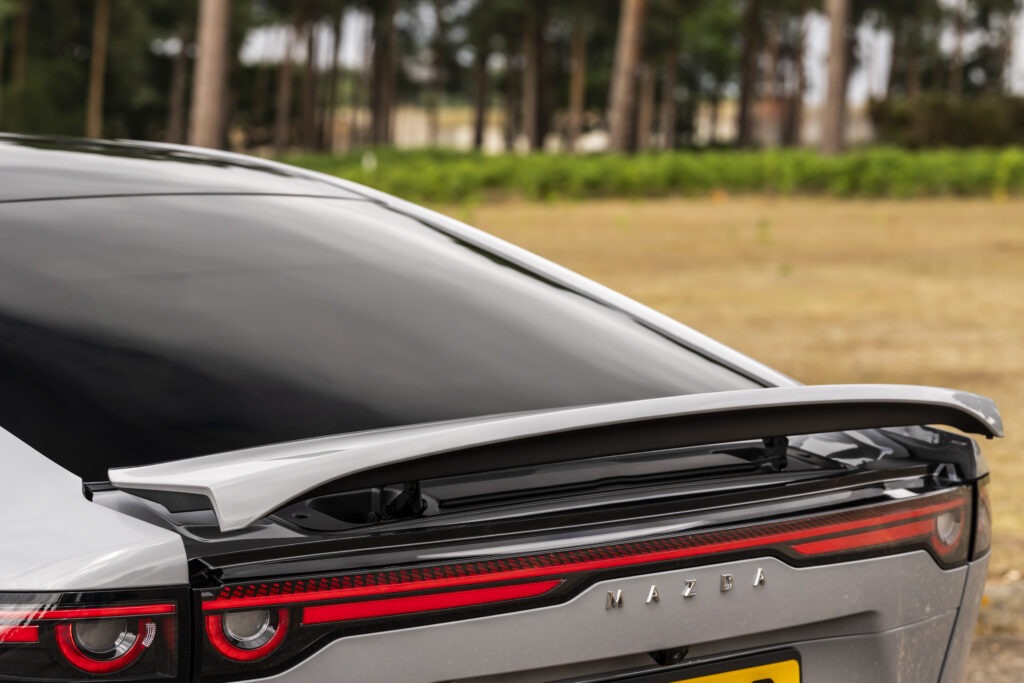
The side profile clearly demonstrates Mazda’s design philosophy. The hatchback features coupé-esque lines and a dramatically sloped rear that encapsulates the sportiness of the brand’s other models. At the rear, this sloping roof provides a longer look. Meanwhile, the indented boot lid arrows the car forward, highlighting the soul of motion.

Therefore, the Mazda 6e has a premium look that belies its pricing points. This should add to its appeal, especially among newcomers to the brand.

A different approach

Inside, the 6e provides a premium feel. The high-backed seats and long central section work to cocoon the driver and front passenger. A floating channel between the front seats also provides plenty of storage space, with drink holders and wireless phone charging.

The dashboard is rather sparse. Behind the steering wheel with its flat base is a 10.2-inch screen for driver information. Central on the dashboard is a larger 14.6-inch screen, while the rest of the cockpit narrows and wraps around to the door cards.

The 6e has been developed in partnership with the Chinese carmaker Changan. The vehicle controls demonstrate this arrangement most of all, as there are no physical buttons in the Mazda 6e.

Instead, all settings are accessed via the touchscreen, a common feature in models hailing from China. For the Japanese carmaker, this feels like a departure, with previous models featuring an array of buttons and knobs for easy access.

While the interior offers a clean and minimalist design, the controls are tricky to access. There is a permanent toolbar at the bottom of the screen, which grants users access to the climate controls.

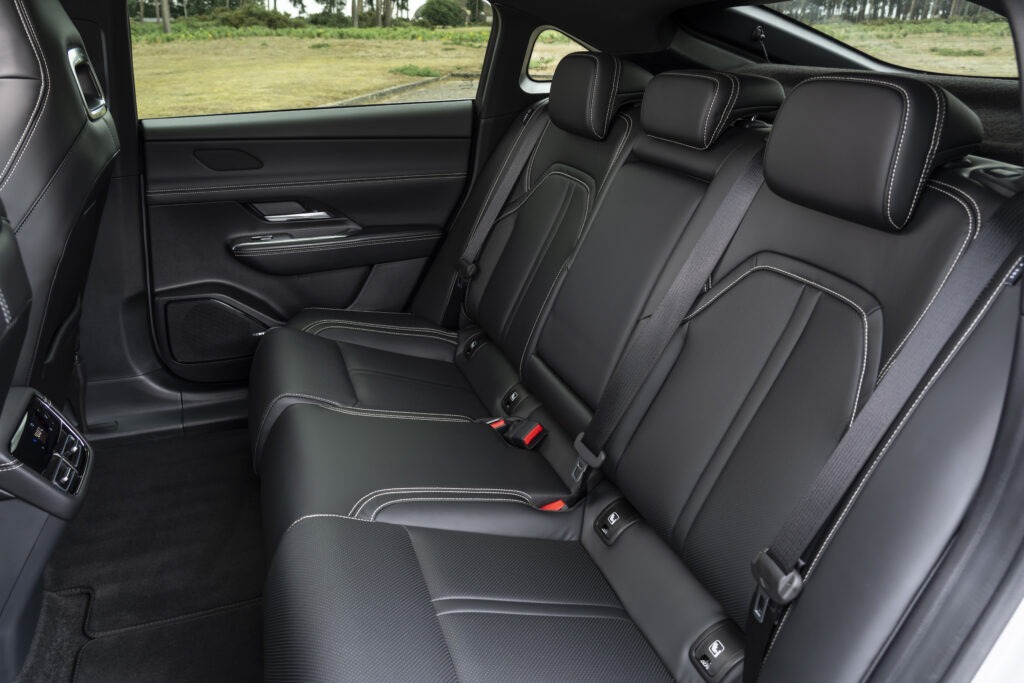
In the back, the sloping roofline does hamper headroom for taller occupants, while a higher floor does hinder comfort. However, there is plenty of legroom for all, thanks to the model’s size.

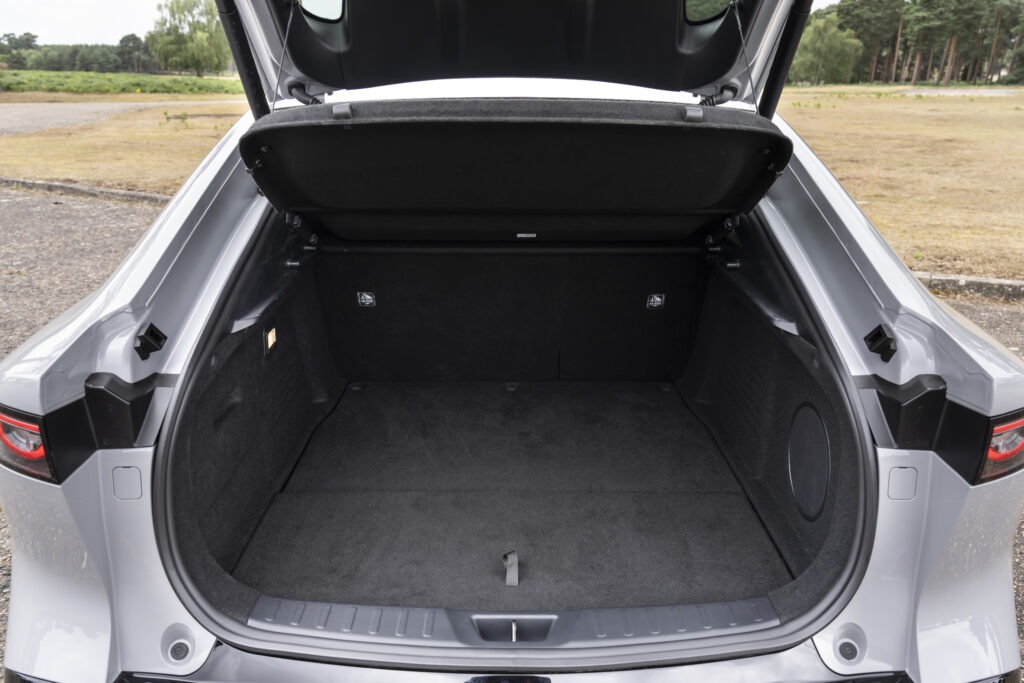
The 330-litre boot space is ample. The Mazda 6e also comes with a 70-litre frunk, for cable storage and additional practicality.

Options in the Mazda 6e

Mazda is offering the 6e with a choice of two batteries. The shorter-range model comes with a 68.8kWh LFP battery unit, while the longer-range version has an 80kWh NCM power cell.

According to the carmaker, the smaller battery provides a range of up to 300 miles (482km). Meanwhile, the larger unit offers 345 miles of range. However, it is the LFP that provides better charging times, going from 10% to 80% in 22 minutes. It also provides the electric motor with a 0-62mph performance of 7.6 seconds.

The NCM unit is limited to a maximum charging rate of 90kW. This means a 10% to 80% refresh takes 45 minutes, while it achieves 0-62mph in 7.6 seconds. With a difference of just 45 miles between the two options, buyers will need to consider which is more important: distance or charging time.

A new ride

The acceleration can occasionally feel sluggish, especially at higher speeds. The Mazda 6e does not perform at the level of other BEV models in this regard. Steering is smooth, but it can feel disconnected, while there is very little body roll.

Braking is also good, but there is no option for one-pedal driving, as seen in some other all-electric models. Mazda offers four regen braking modes in the 6e, but these are accessed via the touchscreen, instead of on the steering wheel. This means some drivers may leave the standard braking levels for convenience and miss out on the extra energy.

Overall, the Mazda 6e is an elegant and well-designed car to look at. The driver and passengers will feel comfortable in a car that belies its status. However, the model is a departure for the carmaker. As its first BEV, some of the traditional Mazda elements, such as performance and interactivity, have been lost. Yet for newer drivers who do not have these views of the brand, the Mazda 6e should appeal.

View the interactive dashboard, which benchmarks the Mazda 6e in Austria, Germany and Spain. The interactive dashboard presents new prices, forecast residual values, and SWOT (strengths, weaknesses, opportunities, and threats) analysis.

A tense and uncertain economic environment is increasing pressure on Europe’s automotive market. But how will this affect residual values (RVs)? In a new webinar, Autovista Group experts discussed emerging trends and used-car impacts with Autovista24 journalist, Tom Hooker.

RVs across Europe have continued to decline in 2025, amid falling used-car prices and an unstable economic environment. Meanwhile, powertrains are seeing varied performances, with one particular technology providing a surprise. But is this decline expected to continue into 2026?

Autovista Group’s latest webinar, The road ahead: Residual value trends and the next market shift, answered this questions. The panel featured Dr Anne Lange, product director, valuation apps at Autovista Group, Robert Madas, regional head of valuations (DACH and CEE)​ at Autovista Group and Javier Salgado, director of valuations and forecast experts at Autovista Group.

European market faces uncertainty

In the first half of 2025, Europe’s economy appeared to be stabilising after a period of stagnation. However, Lange showed how both inflation and the consumer price index have risen. This is mainly due to ongoing geopolitical tensions and conflicts.

These trends have hurt the automotive industry. Stagnating economies have led to affordability issues and reduced investment. Additionally, ongoing tariff negotiations have caused delays in investment and supply.

There has also been a market push for more affordable battery-electric vehicles (BEVs). Meanwhile, the market has seen battery technology become cheaper and more efficient.

‘We are in a phase of a lot of technological challenges. We have a massive electric vehicle (EV) push that is putting pressure on manufacturers to become more profitable,’ Lange noted.

Furthermore, used-car prices are still dropping, albeit at a slower rate. This is despite an apparent stabilising trend in the first half of 2025. Yet, the uncertain economic environment was just one factor affecting this decline.

Residual value decline expected

RVs presented as a percentage of new list price (%RV) in most of Europe’s major used-car markets have continually fallen. However, the pace of this descent has now slowed compared to previous years.

Madas explained that this year, %RVs remain well under 2024 levels. They are also under those recorded in 2023, 2022 and 2021 when %RVs were greatly inflated. This can be seen as a continuous market normalisation following the COVID-19 pandemic and the supply crisis.

Specifically, there is growing pressure on three-to four-year-old vehicles. This age group has seen an increasing number of stock days and price changes over the last few months across all powertrains. BEVs still sell the slowest and record the highest amount of price changes in this age group, followed by plug-in hybrids (PHEVs).

Overall, pressure on %RVs is forecast to remain across Europe’s major used-car markets in 2026. In particular, passenger cars at 36 months of age and above will be affected more than younger vehicles.

‘The market outlook for 2026 is still negative. We expect some more adjustments, but at a slower pace,’ Madas stated.

Increasing market pressure

Madas then showed how %RVs for vehicle age groups have developed differently over the last four years.

The youngest used vehicles have seen %RVs reach 2021 levels in many markets. This has been caused by supply exceeding demand. Meanwhile, %RVs of cars aged 36 months and above are still relatively high.

There is significant room for correction, as supply levels are expected to return in this age group. This is due to recovering new-car registrations in 2023, following particularly weak years in 2021 and 2022.

Madas broke %RVs down by powertrain, where he noted that BEVs have struggled. Meanwhile, PHEVs have performed significantly better. In some markets, such as Germany, younger PHEVs have developed better than BEVs, causing the gap between the two technologies to widen.

This overarching trend in Europe is caused by differences in supply. PHEVs have considerably smaller volumes in the used-car market and can be better absorbed by current demand than BEVs.

Finding the fleet recipe

However, Salgado pointed out that these trends do not necessarily translate directly into individual fleets.

‘Most market changes are already included in our forecast values. Ideally, reforecasts should stay quite stable, which would show that our assumptions were accurate when we first forecasted the value of the vehicle,’ Salgado commented.

With most leases in Europe lasting around three and a half years, the first forecast is completed long before the car reaches the used market. When conditions change, such as demand or stock levels, forecasts are updated to include those new elements.

Salgado then presented two artificial fleets of around 10,000 vehicles in Spain and Germany, with analysis completed in each quarter. The %RV of both fleets remained stable over the last year. The Spanish fleet saw the biggest change, with a small 0.5 percentage point decline.

He highlighted that every fleet is unique. Even in one country, results can change depending on the powertrain or brand perception. Salgado also showed that while PHEV %RVs have provided a surprise, they are evolving similarly to petrol and diesel models in some fleets.

Moreover, in this artificial fleet, full-hybrid values saw a comparatively larger drop at the end of the lease contract. This is despite the technology maintaining the highest %RVs of any powertrain in Europe. Enjoyed The road ahead: Residual value trends and the next market shift? Then sign up for Autovista Group’s next webinar: Global new-car market outlook 2026. It will take place on 25 November 2025 at 09:30 BST / 10:30 CET. Register for your place today.

Which powertrain sees the greatest value depreciation across European used-car markets? What is forecast to happen with global light vehicle sales by the end of 2025? Plus, the latest cybersecurity news. Autovista24 editor Tom Geggus explores this and more in the Automotive Update podcast.

In this week’s episode, a look at residual value (RV) trends in key European markets, with a focus on powertrains. Additionally, the latest forecasts from EV Volumes, how Hertz is selling cars and how hacks have hit carmakers.

Subscribe to the Autovista24 podcast and listen to previous episodes on SpotifyApple and Amazon Music.

BEV RVs forecast to fall

RVs, expressed as a percentage of new car list price (%RV), fell year on year across European markets in September. However, for Austria, France, Italy, Germany, Spain, Switzerland and the UK, this was more of a normalisation. Values had already experienced exceptional increases during the COVID-19 pandemic.

Battery-electric vehicles (BEVs) saw the lowest value retention rates of any major powertrain across all seven markets. As the latest all-electric cars feature improved ranges and technologies, used models age more quickly in comparison. Affordable BEVs from new market entrants also make older vehicles less attractive.

Additionally, carmakers and governments want to drive uptake of the powertrain. However, incentives can put additional pressure on RVs. Therefore, by the end of the year, BEVs are expected to see their %RVs take a sharper fall than the market average across most of the observed markets. 

Global forecast improves

In its latest global light-vehicle forecast, EV Volumes expects sales to increase by 3.6% year on year to 92.3 million units. 

Resilient demand in China and the non-Triad region is a major component of this more positive outlook. However, there are still many negative influences that the forecast accounted for. This includes political instability, conflicts, energy prices, inflation, and US automotive tariffs.

Meanwhile, global EV sales are expected to grow by 24.5% by the end of this year. This equates to 22.1 million units. The growth comes despite governments phasing out purchase incentives and tax breaks amid mounting national debt, particularly in Europe.

Hack hits Renault customers

Renault Group customers in the UK are being warned after a third-party data company was hacked, Autocar reports. 

According to the outlet, the personal data of some customers was stolen. This is reported to include names, addresses, dates of birth, genders, phone numbers, and vehicle details. However, Renault UK said that no passwords or financial data were taken. 

The carmaker did not say how many people had been affected ‘for ongoing security reasons’, the BBC stated. However, no wider implications are anticipated, as none of Renault’s own systems had been hacked. 

Meanwhile, JLR’s phased restart of its production is ongoing, as it takes steps to recover from a cyber-attack. 

‘We continue to work around the clock alongside cybersecurity specialists, the UK Government’s NCSC and law enforcement to ensure our restart is done in a safe and secure manner,’ the carmaker stated.

VW presses pause

Volkswagen (VW) is expected to pause production at two of its factories in Germany due to weak demand for electric cars, according to the Guardian.

Both Dresden and Zwickau will see work suspended for a week this month. Meanwhile, the carmaker’s Osnabrück site in Lower Saxony is also slated to see its working week reduced by a day. Closure days are also being considered at VW’s Emden plant. 

Retail plans for Hertz

Hertz is launching an online car buying experience. Customers can now browse, finance, trade-in and purchase vehicles digitally.

‘By enhancing our digital capabilities, we are meeting customers where they are and giving them greater visibility into our inventory, easier purchasing processes, and broader access to quality Hertz vehicles,’ said Gil West, CEO of Hertz.

Over the past year, Hertz has pushed its retail offerings. This includes an expansion of its Rent2Buy program, as well as collaborating with Amazon.  

Zeekr expands in Europe

Geely subsidiary Zeekr is expanding its efforts in Southeast Europe, electrive has reported.

The brand has now launched in Romania, Slovenia, Croatia and Bulgaria. Orders are scheduled to start in October, with the first vehicles arriving by the end of 2025. 

The brand will work with the Southeast Europe Automotive Group to distribute the Zeekr X, the Zeekr 7X and the Zeekr 001 models.

Residual values (RVs) of battery-electric vehicles (BEVs) continued to languish across many European markets during September. Autovista24 editor Tom Geggus explores the trends alongside Autovista Group experts.

Major European used-car markets saw RVs presented as a percentage of new car list price (%RV) continue to fall in September. Year on year, the average three-year-old car at 60,000km suffered declines across Austria, France, Germany, Italy, Spain, Switzerland and the UK.

This cements an ongoing market trend of value normalisation following the COVID-19 pandemic, which saw the unnatural inflation of RVs. But as the average across available powertrains deflates, one particular technology is dragging across all major markets.

BEVs retained the lowest amount of value of any major powertrain in all seven of the observed markets. The technology performed particularly badly in Italy. On average, all-electric models only managed a %RV of 28.5% after 36 months at 60,000km.

While they still trailed behind the wider market, the highest average %RV the powertrain recorded was in Spain at 44.9%. It was the only observed country where BEVs held on to more than 37.5% of their original list price.

The powertrain is subject to numerous RV pressures. Continuing range improvements and technological advancements are ageing younger models comparatively quickly. The entrance of new brands offering more affordable models also makes used BEVs less attractive.

Additionally, carmakers and governments want to increase the uptake of these all-electric cars to meet environmental targets. This can lead to the use of purchase incentives and discounts, which can put additional pressure on the RVs.

rn

The powertrain is expected to see %RVs fall year on year by the end of 2025 across all observed markets. While this is the case for most technologies, the expected drop is steeper than the anticipated average market decline in many countries.

Austria’s market headwinds

Austria’s sales-volume index (SVI) for two-to-four-year-old passenger cars dropped sharply in September, falling by 13.9% compared with August. Year-on-year, the SVI declined by 8.8%, highlighting ongoing market headwinds.

The active-market volume index (AMVI) showed a slight month-on-month increase of 1.2%. However, compared to September 2024, the AMVI was down by 11.6%, indicating a continued supply contraction within this age bracket.

The average time needed to sell a used car fell further in September, to 65 days. This was down by 1.6 days compared with August. Full hybrids (HEVs) showed another improvement in the month, making them the fastest-selling powertrain once again. The fuel type needed only 55.5 days to sell on average.

This was followed by diesel vehicles at 59.5 days, petrol vehicles at 63.7 days and plug-in hybrids (PHEVs) at 72.4 days. BEVs continued to take the longest time to sell at 78.6 days.

Meanwhile, the average %RV of a 36-month-old car at 60,000km declined to 47.6% in September. This equated to a 0.5 percentage point (pp) drop from August, and a 2.7pp year-on-year fall.

HEVs retained the highest trade value at 51.6%, followed by petrol cars at 49.9%. Then came diesel models with 48.4%, and PHEVs with 45%. BEVs held the lowest %RV once again, at 37.5%.

‘Looking ahead, %RVs are expected to stabilise gradually until the end of the year,’ said Robert MadasAutovista Group’s regional head of valuations. ‘Forecasts suggest a 0.7% increase by the end of 2025 compared to December 2024, followed by a 0.7% decline in 2026, and a 0.6% decrease in 2027.’

Residual values down in France

‘RVs continued to fall in France during September, with slightly higher list prices and lower absolute values,’ outlined Ludovic Percier, Autovista Group’s senior RV analyst for France.

Compared with August 2025, all powertrains took longer to sell on average. The sales volume also dropped month on month and year on year, as the used-car market reacted to a complex economic climate.

Petrol and diesel-powered cars only saw very small RV declines in the month, in contrast with a negative global trend. These used models are still in demand in France while the number of new internal-combustion engine (ICE) powered cars shrinks.

HEVs were once again the fastest-selling powertrain. Used HEVs are in increasing demand in France, but carmakers cannot risk adding big price premiums to these models. This would jeopardise the powertrain’s RVs.

Three of the top five fastest-selling HEVs came from Toyota, including the Rav 4, Yaris and Corolla. The other top spots were filled by the Kia Sportage and Hyundai Tucson.

PHEVs saw worse results, with used-car buyers not accepting the powertrain’s higher prices. As these models now feature longer electric ranges, many brands have only been able to increase list prices.

Supply and demand imbalance

‘Demand and supply are still unbalanced,’ said Percier. ‘In previous years, many vehicles were sold to fleets on the back of fiscal advantages. However, private used-car buyers have no interest in paying such a high price for PHEVs.’

Month on month, the powertrain saw the sales-volume index fall by 14.8%. Smaller PHEVs in the C-SUV segment were the easiest to sell, however.

At 35.5%, BEVs retained the lowest percentage of their original list price after 36 months and 60,000km. This was down both month on month and year on year. The fastest-selling BEV was the relatively affordable BYD Atto 3, followed by the Tesla Model Y and Model 3.

Both the new and used-car markets continue to be crowded. The new-car market will be pushed along by reinforced fiscal advantages for fleets.

ICE models have been more penalised since the beginning of the year. This will increase the flow of BEV models into an already submerged used-car market. Social leasing will only exacerbate this situation when it is reintroduced.

Germany’s RVs remain under pressure

‘Following a decline in July and a significant increase in August, used-car demand in Germany increased only slightly in September,’ Madas said.

The SVI for two-to-four-year-old passenger cars edged up by 0.8% compared with August. However, this still marked a 10.9% year-on-year decrease, indicating that market activity remains subdued compared to the previous year. The AMVI also rose by 0.8% month-on-month, but was still 1.1% lower than in September 2024.

The average number of days needed to sell a used car in September was 59.9 days. This was similar to August, but 1.1 days longer than in September 2024. HEVs sold the fastest at 57 days, closely followed by PHEVs at 58.3 days and diesel models at 58.7 days. Petrol cars took slightly longer to sell at 60.4 days. BEVs took the longest amount of time to leave dealerships, doing so at 62.2 days.

The average %RV of a 36-month-old car at 60,000km increased marginally to 48.4% in September, up 0.1pp from August. However, this represents a 1.7pp year-on-year decrease. Petrol cars led the market with a %RV of 50.1%. Then came diesel cars at 49.4% and HEVs at 49.1%, followed by PHEVs at 43.6%. BEVs retained the lowest level of value at 36.9%.

Although RVs recently stabilised in Germany, the level is significantly lower than in previous years, and demand remains rather weak. Therefore, RVs can be expected to remain under pressure.

‘In 2025, %RVs are forecast to decrease by 2.6% compared with December 2024,’ Madas commented. ‘Pressure will likely ease in 2026, with RVs forecasted to suffer a smaller decline of 1.4%.’

Residual values fall in Italy

Approaching the final phase of the year, the results for Italy’s used-car market are coming into focus. On average, 36-month-old cars at 60,000km saw their RVs fall year on year.

In %RVs terms, values fell by 4.4pp compared with September 2024. This fell in line with an observed negative trend, one which is expected to continue towards the end of 2025.

Liquefied petroleum gas (LPG) vehicles continued to enjoy the greatest %RV stability, down 1.8pp year on year. Meanwhile, diesel models retained the most value again, holding on to 50.8% of their original list price. This was compared to a market average of 46.4%.

Compared with last month, the sales volume of vehicles aged between 24 and 48 months dropped by 22.3%. Alongside this, the average time needed to sell a vehicle increased by 4.6 days. BEVs took the longest amount of time to sell, averaging 78.9 days. This was up by 9.3 days from the previous month.

BEVs are currently facing the greatest uncertainty. Starting from mid-October, purchase incentives of up to €11,000 may become available, depending on income level,’ said Marco Pasquetti, Autovista Group’s cluster head of forecasting for Spain and Italy.

‘Such a substantial incentive could put further pressure on the used-car market and RVs. However, it is better to wait and observe the market’s response to understand whether a backlash will actually occur,’ he added.

Used-car transactions fall in Spain

‘The Spanish new-car market has maintained its strong momentum, supported by a favourable economic environment,’ highlighted Ana Azofra, Autovista Group’s head of valuations and insights, Spain.

Far from showing signs of slowing down, registrations grew again in August by 17.2% year on year. This equated to a 14.6% increase in the year to date.

Electric vehicles (EVs) played a particularly prominent role. Together, BEVs and PHEVs recorded 161.9% growth compared to August 2024, and a 98% increase in the year to date. August’s EV market share of 24.4% brought Spain closer to the European average.

This new-car market momentum is limiting the possibilities for the used-car market, which saw transactions fall by 0.7% in August. Despite this slight decline, the supply from professional traders remained very positive. Sales of young used vehicles, which account for the bulk of the network’s activity, grew considerably.

‘Average transaction values felt the pressure of petrol and EV prices, as other powertrains showed slight growth,’ Azofra said. ‘Overall, the situation is stable and positive. Most of the 2025 adjustments have already occurred in the first part of the year.’

Stock volume was lower in September than last year, and the number of days needed to sell a used car fell accordingly. Last month’s fastest-selling models were the Cupra Leon, the VW Taigo, and the Dacia Sandero.

Switzerland sees demand rebound

After a modest decline in July and a sharper drop in August, used-car demand in Switzerland rebounded strongly in September. The SVI for two-to-four-year-old passenger cars surged month-on-month by 12.6%. However, year-on-year, the SVI was down by 3.3%.

The AMVI edged down slightly by 0.6% compared to August, indicating stabilising used-car supply. However, the supply volume of passenger cars in this age bracket was 10.9% lower than in September 2024.

‘The average %RV of a 36-month-old car at 60,000km rose slightly to 42.8%,’ Madas said. ‘This marks a continued year-on-year decline, down by 4.5pp from the values recorded 12 months ago.’

HEVs retained the most value in September by far at 47.5%. Then came petrol cars at 44.1%, diesel models at 42.2% and PHEVs at 40.6%. BEVs continued to be the worst-performing powertrain. All-electric cars held only 35.9% of their original list price.

The average number of days to sell a used car increased to 78.1 days, four days more than in August, but still six days faster than in September 2024. HEVs sold fastest at 66.6 days, followed by diesel cars at 76.1, petrol models at 76.4 days and PHEVs at 84.8 days. Meanwhile, BEVs needed the most time to sell, at 85.9 days on average.

A trend of relatively stable supply and low demand is expected to continue as various uncertainties persist into the remainder of 2025. Therefore, %RVs are forecast to decrease in the coming years, but at a slower pace. By the end of 2025, %RVs are expected to decrease by 5.9% compared to December 2024, with a further, smaller year-on-year drop of 1.5% anticipated in 2026.

Deceptive residual value uplift in UK

‘RVs in the UK saw a modest uplift in September. The average RV of a three-year-old car rose to 49% of the original cost new price. However, this improvement is a result of the plate-effect, rather than market performance,’ explained Jayson Whittington, Autovista Group’s regional head of valuations, UK.

A car registered in September 2022 displayed a ‘72’ plate. However, in August 2022, a ‘22’ plate would be on display. This plate distinction commands a higher value, which is why an uplift was recorded in this month’s report. However, the increase seen in September 2024 was 1.9pp. This year there was only a 1pp increase, suggesting a softer impact this time around.

When comparing like-for-like data with September 2024, the average %RV dropped by 3.3 pp. This downward development is not a reflection of poor market conditions; if anything, it is best described as ‘steady’. This is because it is a continuation of a realignment in values following the spike experienced in 2021.

Retail dynamics remained healthy, with the average time to sell a used car holding at 34 days, three days quicker than the same period last year. BEVs continued to lead in turnover speed at 31.4 days, followed closely by PHEVs and hybrids. Petrol cars sold right on the 34-day average, while diesel variants lagged at 40.8 days. Despite slower turnover, diesel models retained the highest %RV at 52.4%.

‘Looking ahead to October, it will be interesting to see if the volume of cars increases in wholesale channels. An increase in volumes is often observed following September’s plate-change activity. However, with a subdued used-car supply this year, prices may not be adversely affected,’ Whittington concluded.

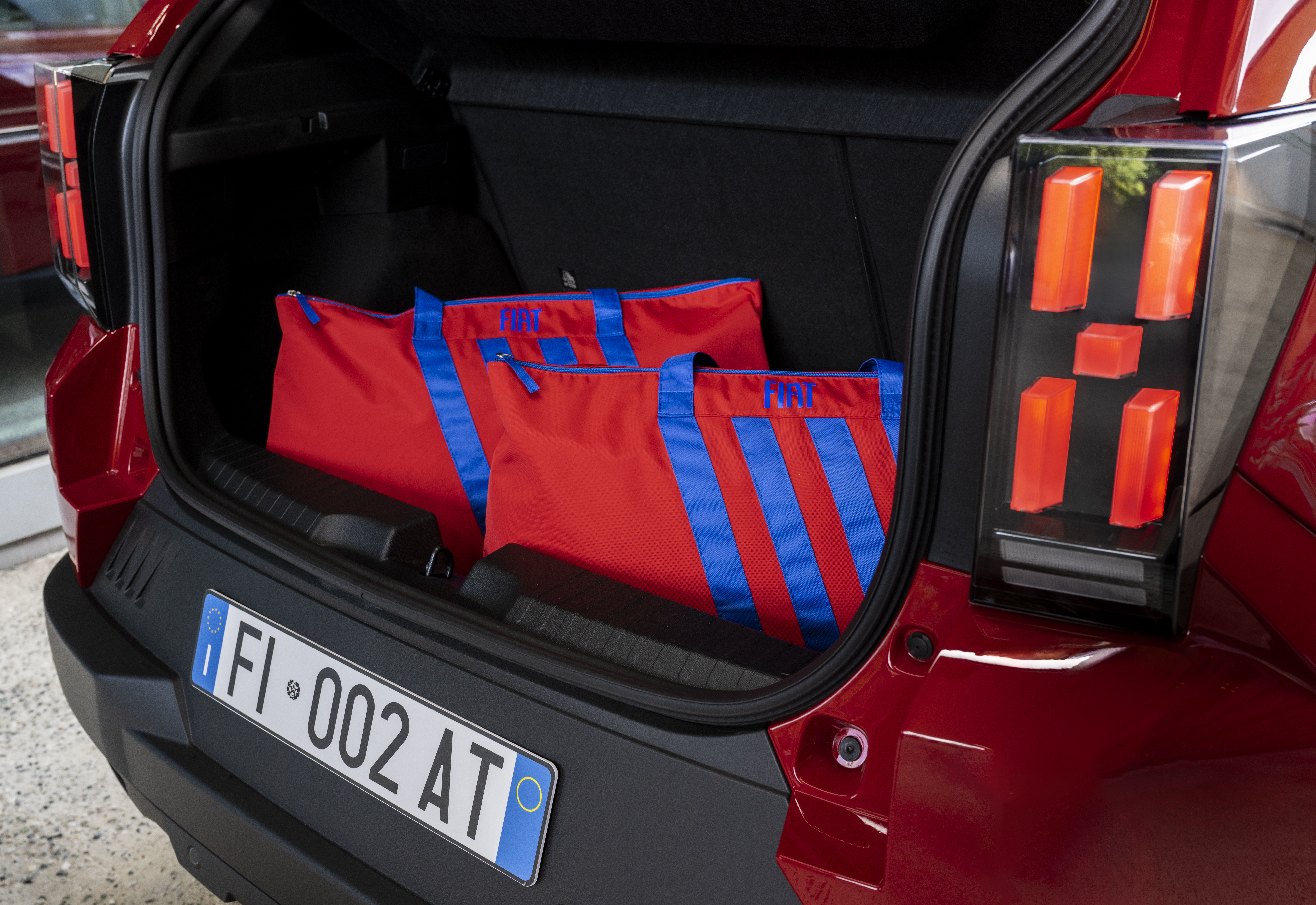
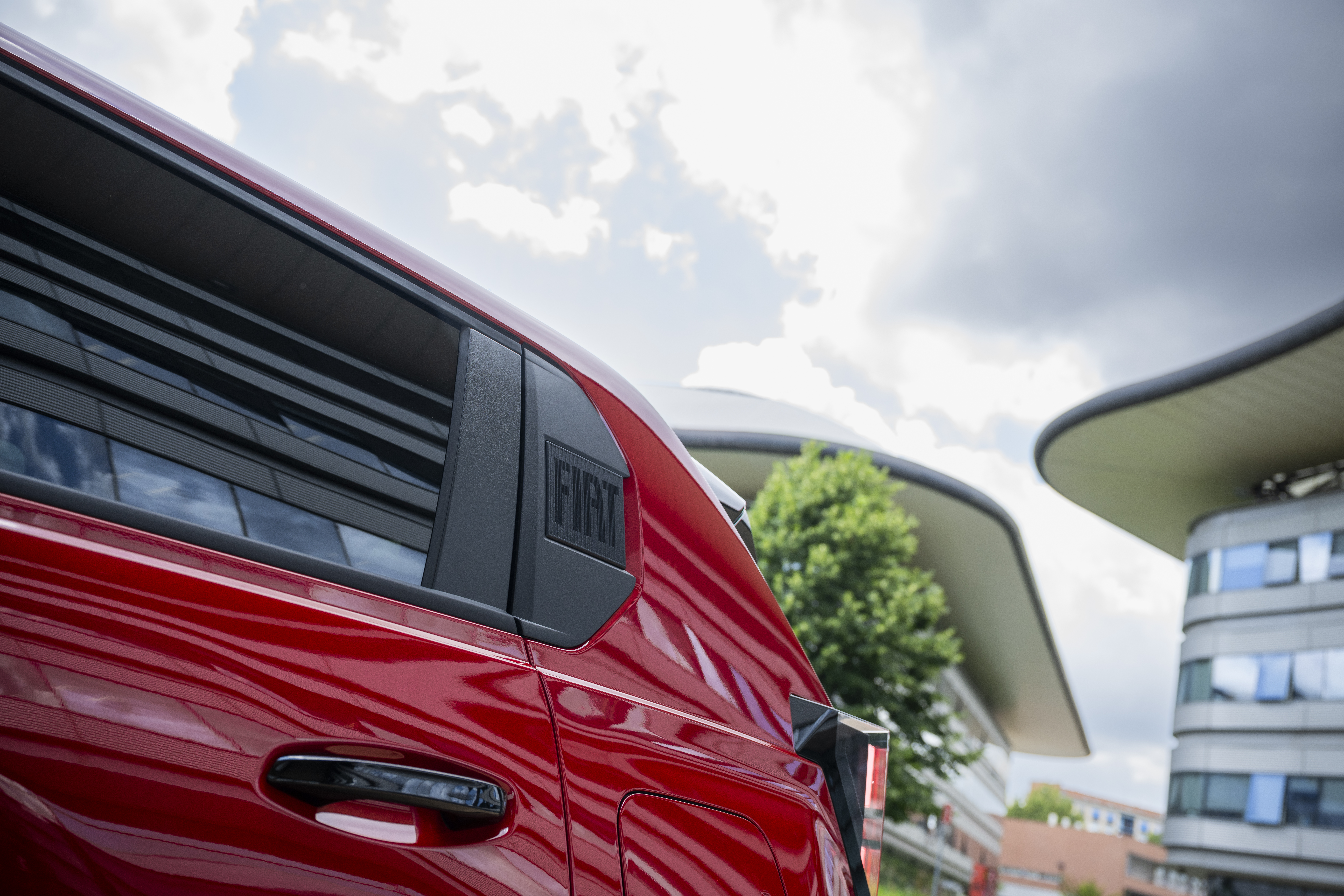
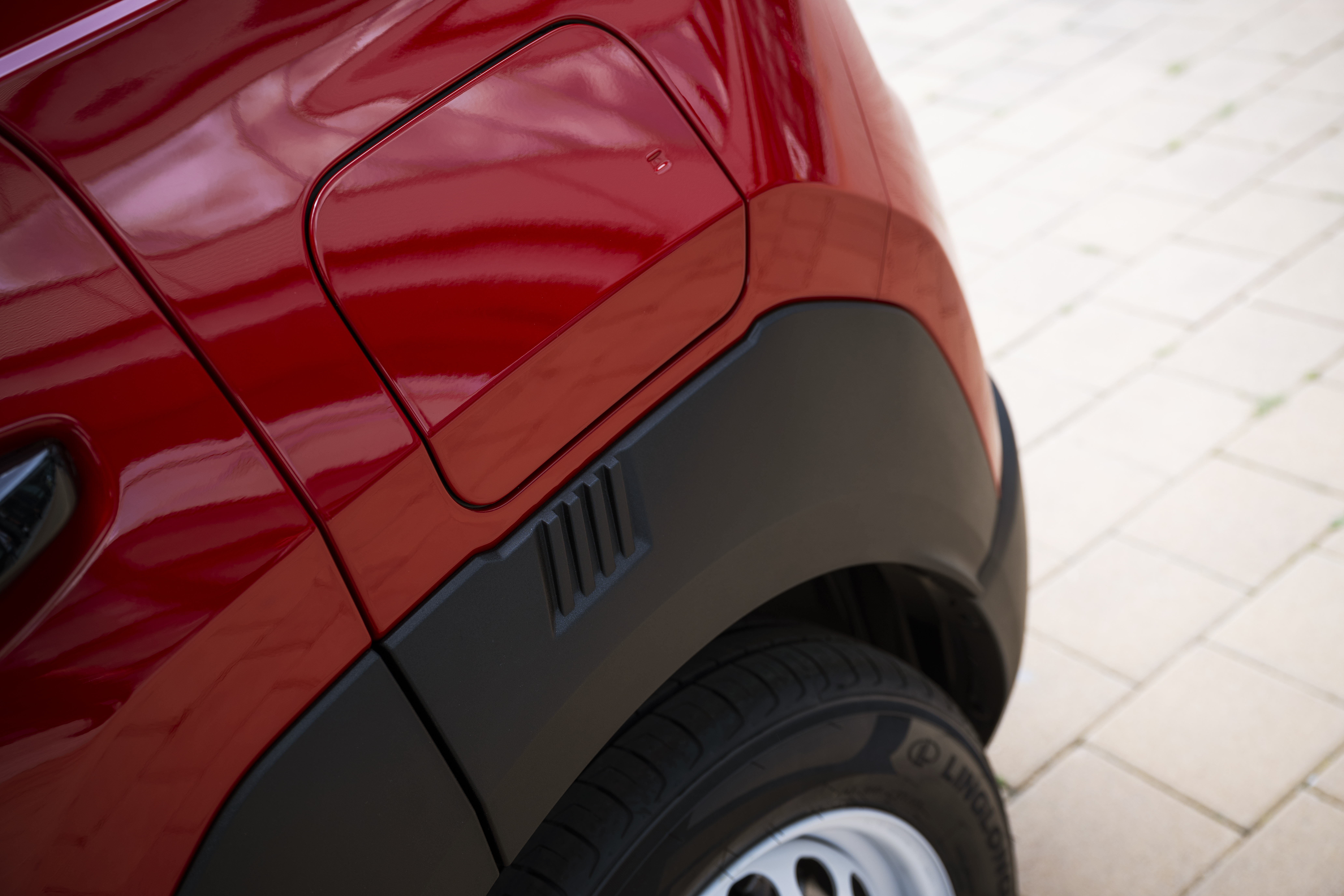
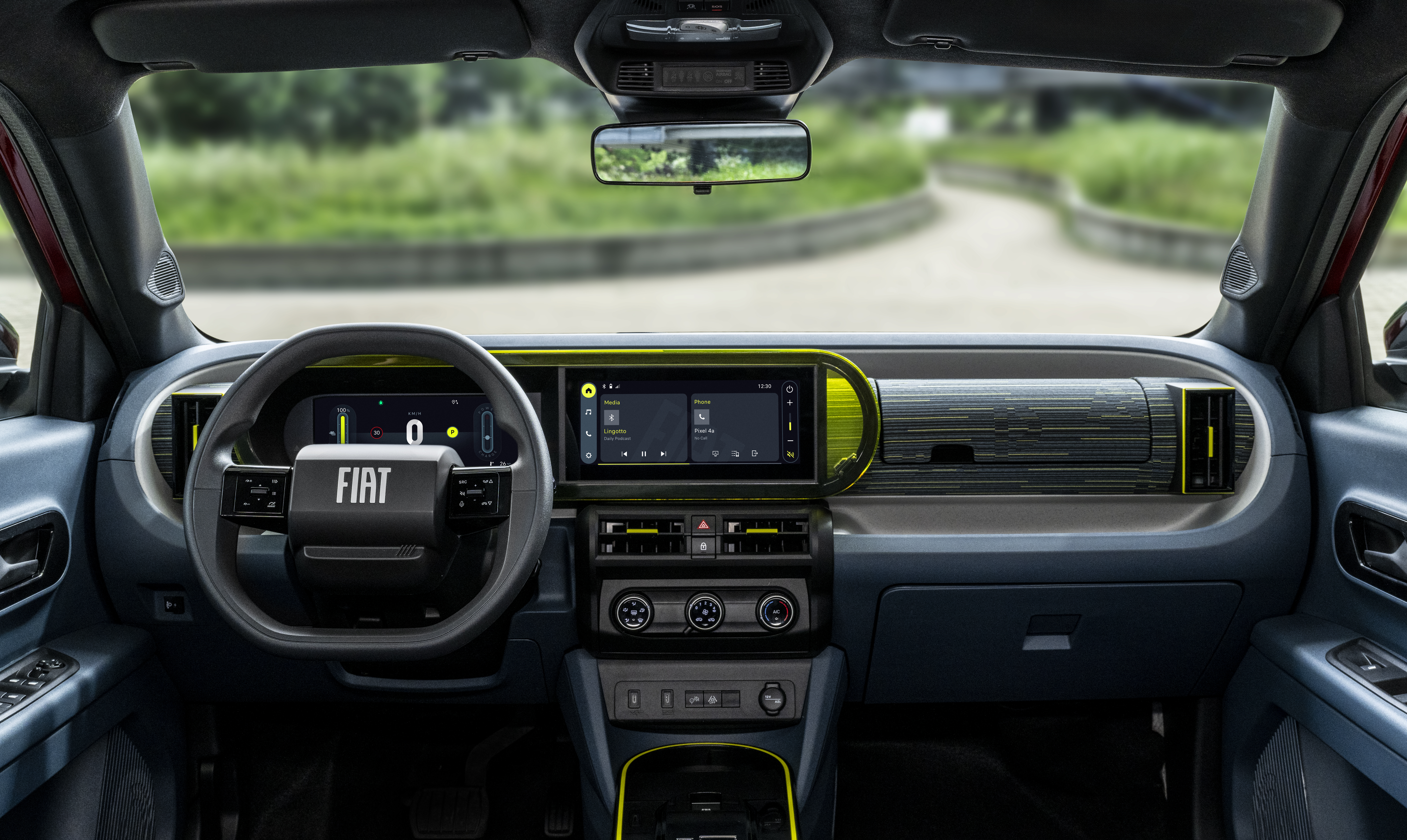
Fiat has evoked the past with its Grande Panda. But are retro design elements and an appeal to urban buyers enough to warrant success? Autovista24 special content editor, Phil Curry, reviews the model with Autovista Group experts.

With the Grande Panda, Fiat has taken a leaf from its back catalogue. Alongside the likes of the Renault 5, the car aims to inspire interest and sales with a familiar design which harks back to the past.

Only this time, the Italian brand has increased the Panda’s size, making it a compact SUV for today’s market. The car offers a small, boxy and modern take on a classic, with interesting design nods to Fiat’s past. It is available as a battery-electric vehicle (BEV) or a mild-hybrid (MHEV).

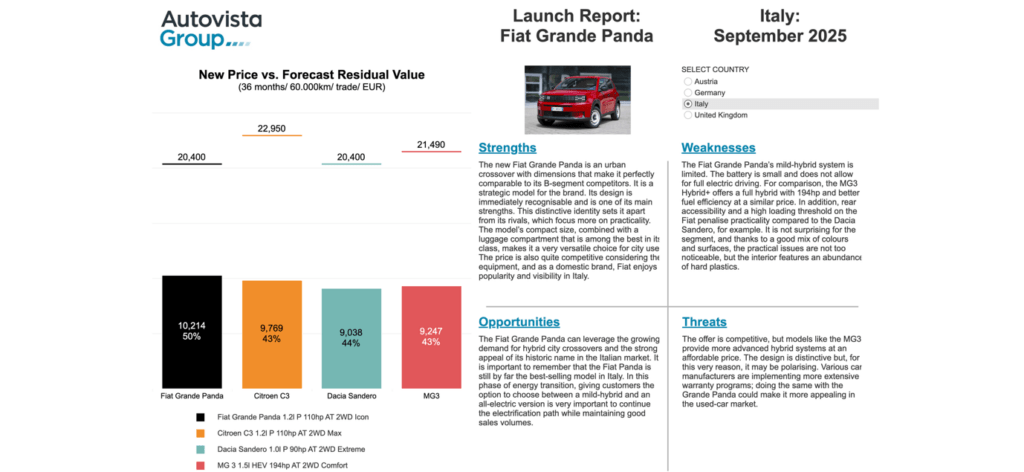
Autovista24’s latest Launch Report benchmarks the Fiat Grande Panda against its key competitors in Austria, Germany, Italy and the UK. Autovista Group experts also provide a breakdown of the car’s strengths, weaknesses, opportunities and threats.

Design flair for Grande Panda

The Fiat Grande Panda has a distinctly square appearance. This harks back to the original angular model, which featured few curves. Today, it would not look out of place in an off-road environment, despite being built for urban use.

Fiat has kept the design of the BEV and MHEV variants similar, with both featuring the same body style. The smooth lighting panel features an array of cube LED lights across the grill. Fiat states this represents windows of the carmaker’s iconic Lingotto building in Turin. The lights also provide a different headlight silhouette, with the main beam in an X pattern.

On the BEV variant, the Fiat badge pops open to reveal the charging plug. An integrated AC cable is also available as an optional extra to aid convenience.

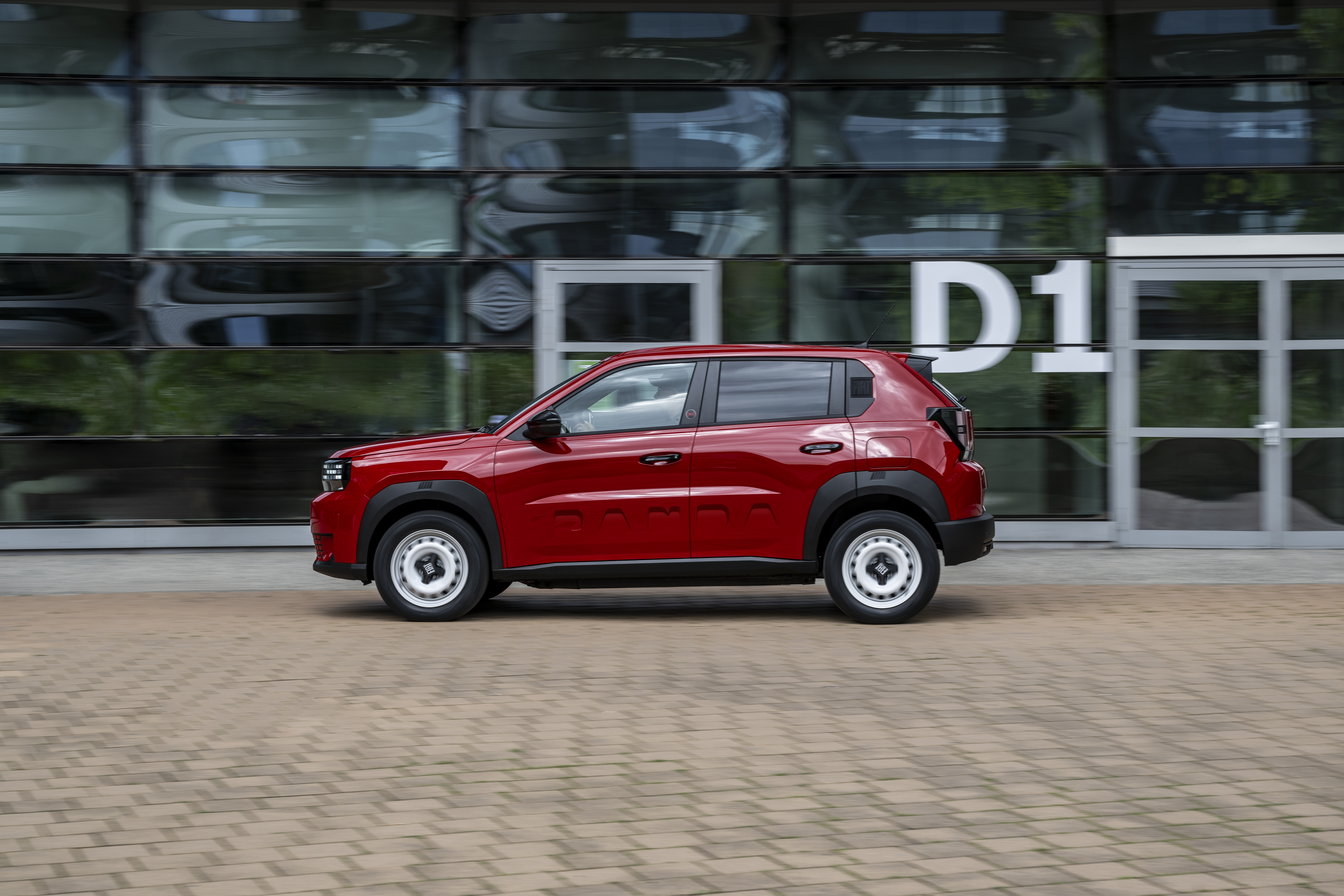
Another retro-design touch is the Panda name stamped across the lower portion of the doors. This gives the car a robust look, making the doors appear thick and heavy. The side profile highlights the boxy look of the model, with sharp lines throughout. The plastic wheel arches break up the body-colour flow, also giving the model a rugged look.

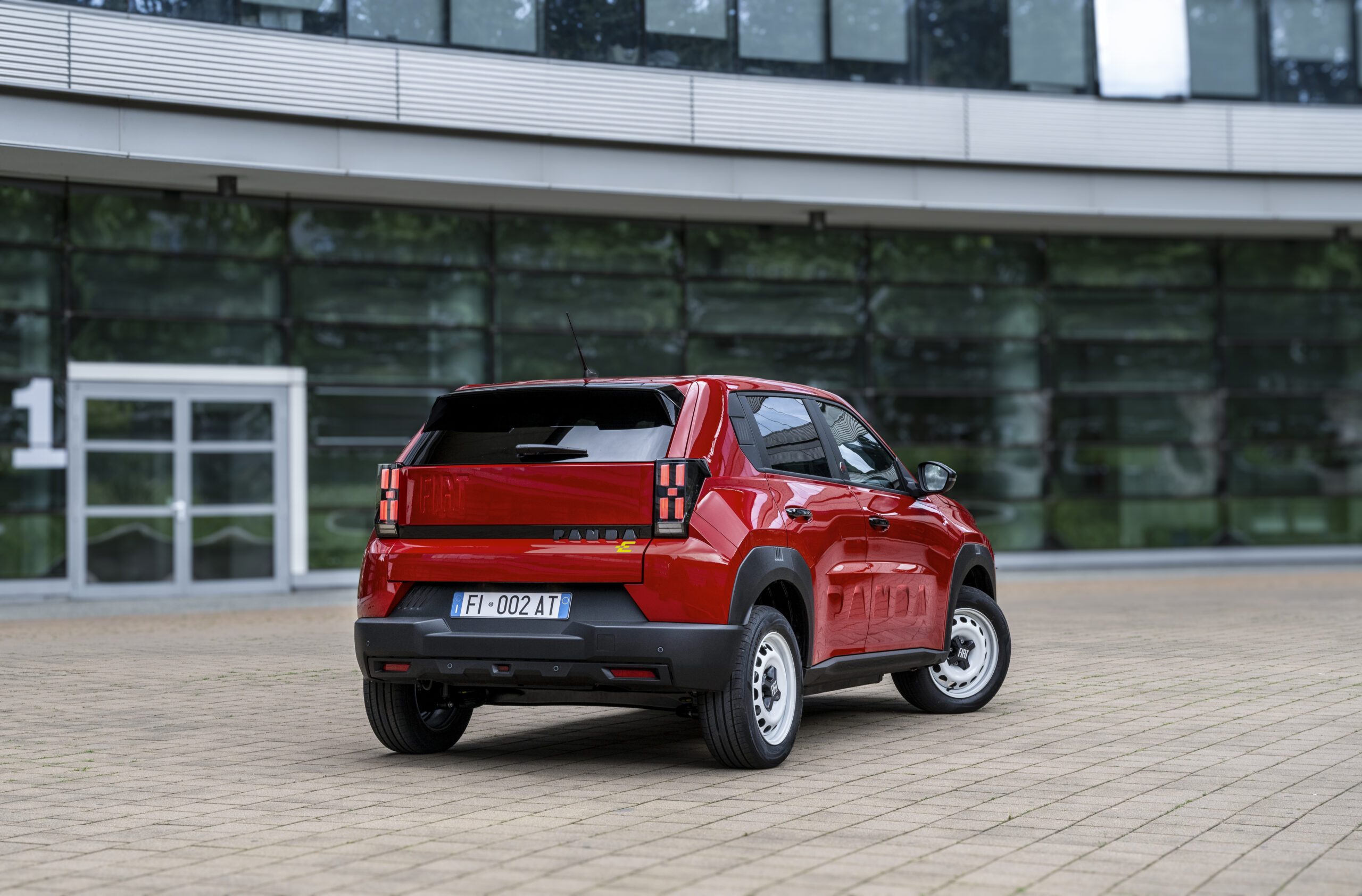
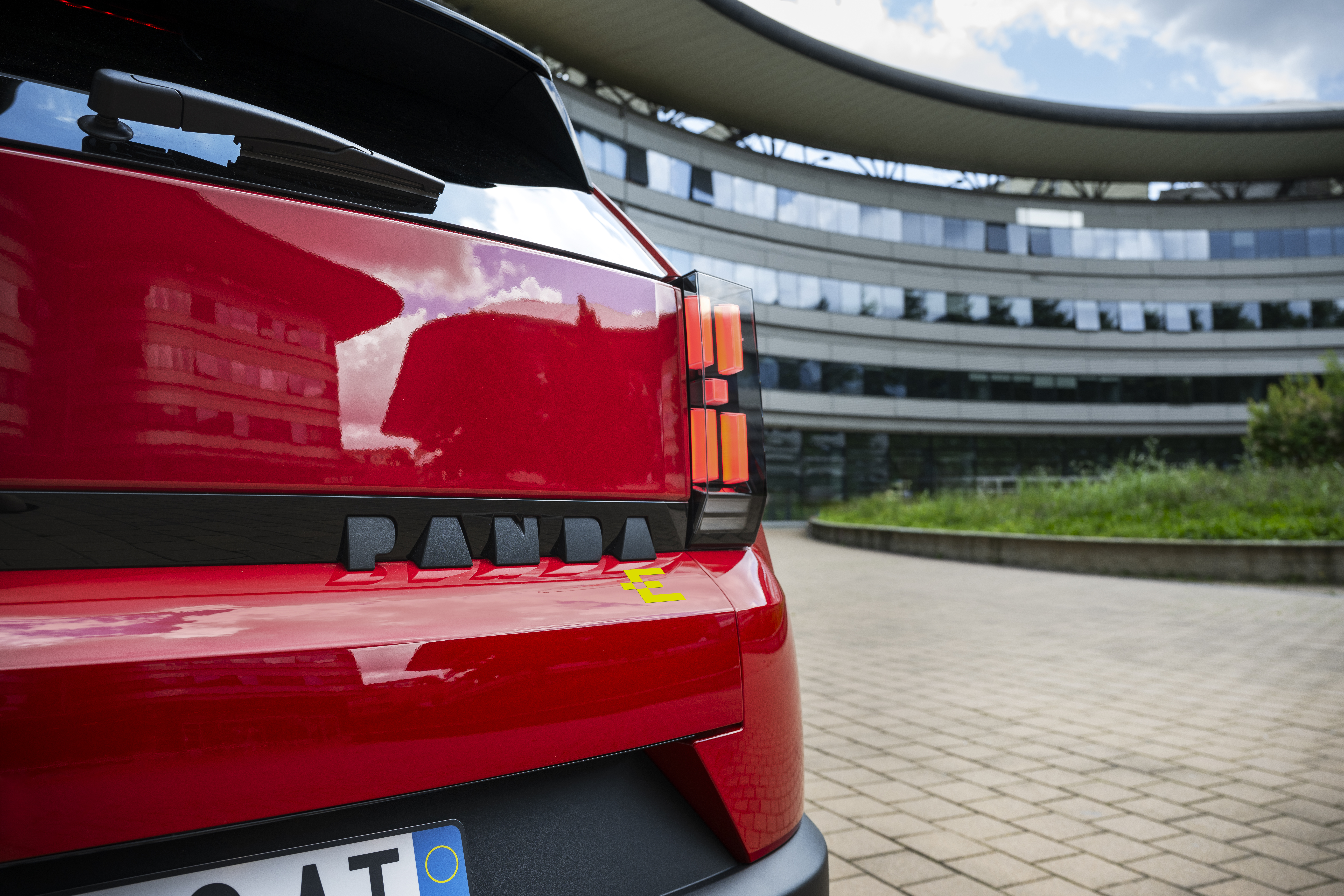
The rear of the car features a high window and cubed lights in a cross formation. Additionally, its high stance helps make it look bigger than it actually is.

A sustainable interior

Fiat continued its retro design cues inside the Grande Panda. The oval dashboard and centre console are designed in the shape of the Lingotto building’s rooftop test track.

The model features a 10.25-inch touchscreen and a smaller screen for the driver display. The steering wheel is quite chunky and ergonomic, with the increasingly popular flat bottom and top, to aid driver legroom.

The interior features plenty of physical buttons, especially those for the climate control system. They are surrounded by some inexpensive-looking plastics, however.

Fiat has highlighted its use of sustainable materials. Each Grande Panda contains the recycled material from 140 drinks cartons. The carmaker has also introduced Bambox in the top-range La Prima version. 33% of this fabric is made from pure bamboo fibres, which is used to wrap the dashboard.

The seating is comfortable in both the front and rear of the vehicle. Back-seat passengers do get more legroom in the MHEV version. Meanwhile, the high roof line provides plenty of headroom, even in such a small car.

The model is also very practical, with ample door pockets in the front and rear. However, there is no floating element to the centre console, reducing the potential storage up front. The boot size is good for the class, with 361 litres in the BEV version, expanding to 412 litres in the MHEV.

Power and performance

Due to its size, the Fiat Grande Panda is suited to city and urban use. The steering provides good feedback and invokes confidence, while not being especially dynamic.

With a higher ride height, the car rides over bumps and road imperfections well, without being too soft. However, it feels planted, even in quick changes of direction, making it fun to drive.

The electric powertrain comes with a 44kWh battery. This delivers 199 miles (320km) of driving range through the 83kW motor, according to WLTP figures. The model has a top speed of 82mph and can accelerate from 0-62mph in around 11 seconds.

The front charging port can charge at up to 7kW, providing a 20% to 80% boost in four hours and 20 minutes. However, another charge port at the rear allows for DC rapid charging up to 100kW, completing a charge in 27 minutes.

The MHEV version sees a 48-volt system mated with a 1.2-litre three-cylinder turbocharged engine. The model also features a 23kW e-motor through the six-speed dual-clutch transmission. The additional electric power helps the model achieve an estimated CO2 output of just 117g/km.

Overall, the Fiat Grande Panda will certainly stand out on the road. It is likely to appeal to buyers who favour looks over practicality, but they will not be disappointed by the model’s performance. While competitors may have an advantage in certain areas, the Grande Panda provides an exciting retro design change.

View the Autovista Group dashboard, which benchmarks the Grande Panda in Austria, Germany, Italy and the UK. The interactive dashboard presents new prices, forecast residual values, and SWOT (strengths, weaknesses, opportunities, and threats) analysis.

At IAA Mobility in Munich, Schwacke and Auto Bild revealed the 2025 Wertmeister (residual value champions) winners. Autovista24 editor Tom Geggus examines the models with the greatest value retention in Germany.

For the 22nd time, vehicles with the highest value retention were honoured by industry experts. This year, a total of eleven value masters took home the coveted title.

Around 10,000 models were divided into categories ranging from small cars to commercial vans, and examined by Schwacke experts. The awards included three electric categories and eight open classes, in which all models were considered regardless of their powertrain.

A Wertmeister hat-trick

The Audi A6 e-tron won two trophies in the luxury and compact to luxury electric categories.

rn

This was the first time an all-electric model claimed victory in the luxury segment, defeating its diesel and petrol competitors. The achievement sends a strong signal to the industry, underlining that used electric cars are making gains.

‘What a wonderful surprise for everyone who believes in the future of electromobility and has been waiting for signals from the market,’ said Thorsten Barg, managing director of Schwacke.

‘Audi’s success with the electric version of the A6 Avant in this open class against strong combustion engine competition shows that electromobility is now arriving on the used car market,’ he added.

Close behind in second and third were models with internal-combustion engines: the BMW 5 Series and the Mercedes-Benz E-Class.

In addition to the double title for the e-tron, Audi also celebrated a win in the compact car category. The Audi A3 impressed with its high value retention, versatility and modern design.

Small car clash

For the past four years, the Dacia Sandero was the undisputed leader in the small car category. This year, it had to relinquish its title to the Mini Cooper Cabrio. The model stood out with an exceptionally high value retention.

However, Dacia claimed a win in the compact SUV category with its Duster. The model impressed with a strong overall package. Everyday practicality, robustness, and an excellent price-performance ratio added to its used-market appeal. Dacia’s focus on essentials appeals to many customers, and this is reflected in its residual value (RV).

With the Mini Aceman, BMW also impressed in the electric small car category. Available as a battery-electric vehicle (BEV), the Aceman achieves a WLTP range of up to 406km, making it an attractive choice in its segment.

Electric vehicles (EVs) enjoyed more success in the compact to luxury electric SUV category, with the Volvo EX90 crowned the winner.

The model incorporates sustainability measures such as the use of recycled materials and reflects the brand’s ongoing shift toward electromobility. With an emphasis on safety and environmental performance, the Swedish company is consolidating its place within the premium electric segment.

Wertmeister highlights RV importance

RVs play a central role in the automotive industry. For private buyers, it directly affects the future resale value, often a key criterion when choosing a new car.

In leasing and financing, the calculated RV directly impacts monthly payments. Even for manufacturers, stable value retention can significantly boost a model’s market success. A Wertmeister win signals a model’s exceptional value stability.

‘Many Wertmeister winners are expensive to buy. If you drive a Porsche, Mercedes, or Mini, you pay a lot upfront, but then benefit when reselling, said Robin Hornig, editor-in-chief for Automotive at the Bild Group.

‘In the RV rankings, model lines and brands that offered either particularly affordable vehicles or a high position in the premium and lifestyle segments prevailed again. Additionally, we see strong improvements in electric cars, both in terms of range and charging speed as well as everyday practicality,’ Barg summarised.

Given the rapid development across the automotive landscape, keeping an eye on RV trends pays off. This key metric remains a crucial factor for a model’s market success and will continue to prove pivotal to the industry.

With many European used-car markets observing residual value (RV) declines during August, what comes next? Autovista Group editors plot their expectations with Autovista24 editor Tom Geggus.

RV developments trended towards stagnation and decline across many European used-car markets during August.

On average, the absolute trade value of a 36-month-old car at 36,000km fell month on month in Austria, France, Italy, Switzerland and the UK. The only markets to avoid this fate were Spain and Germany. They saw stagnation at 0% and 0.1% growth, respectively.

Compared with August 2024, absolute RVs saw an improved performance, with only Italy, Switzerland, and the UK recording declines. These markets also saw the three lowest levels of year-on-year new-car list price growth.

As the cost of a new car increases, more consumers may turn to the used-car market as an alternative. This increase in demand stokes absolute RVs, with more money exchanged for models.

However, when presented as a percentage of new-car list price (%RV), values saw a steeper and more consistent decline. Compared with July, values fell across all recorded markets apart from Spain, which saw a marginal increase from 55.8% to 56%.

Year on year, %RVs fell across all observed markets. This ranged from a short drop of 1.8 percentage points (pp) in Germany to a 5pp tumble in Switzerland.

So, will these year-on-year decreases continue towards the end of 2025, and on into 2026 and 2027? Autovista Group editors outline their regional expectations.
rn

Slight RV decline in Austria

‘The sales-volume index (SVI) in Austria rose notably in August, increasing by 7.2% compared to July. However, it still recorded a 2.6% decline year-on-year, indicating lingering market challenges,’ commented Robert MadasAutovista Group’s regional head of valuations.
The active-market volume index (AMVI) for two-to-four-year-old passenger cars followed a downward trend. It fell by 3.6% month-on-month and 9.4% compared to August 2024. This suggests a continued contraction in supply within this age bracket.

The average time to sell a used car decreased slightly by 0.4 days to 66.8 days. Full hybrids (HEVs) showed a significant improvement, making them the fastest-selling powertrain, taking 56.9 days to sell on average.

This was followed by diesel vehicles at 60.2 days, petrol vehicles at 66.4 days, and by plug-in hybrids (PHEVs) at 78.1 days. Battery-electric vehicles (BEVs) continued to take the longest time to sell at 79.3 days.

The %RVs of a 36-month-old car at 60,000km declined slightly to 48.1% in August. This marks a 0.3pp drop from July and a 2.2pp decrease year-on-year. HEVs retained the highest trade value at 52.8%, followed by petrol cars at 50.4%. Then came diesel models with 48.5% and PHEVs with 45.6%. BEVs held the lowest %RV once again, at 38.4%.

‘Looking ahead, %RVs are expected to stabilise gradually until the end of the year,’ Madas said. ‘Forecasts suggest a 0.9% increase by the end of 2025 compared to December 2024, followed by a 0.7% decline in 2026, and a 0.6% decrease in 2027.’

France feels RV fall

‘France saw RVs begin to fall slightly in August. Higher list prices and lower absolute trade rates weighed on value retention,’ highlighted Ludovic Percier, Autovista Group’s senior RV analyst for France.

Since the beginning of 2025, average days to sell have remained stable across all powertrains. Compared to August 2024, it now takes less time to sell a used car. The summer usually sees a more active market, especially during June and July, with August being slightly quieter.

Absolute petrol RVs increased marginally in the 30 days to 6 August, defying a much larger trend. These vehicles are still in demand on the used-car market, even though smaller new volumes are being sold.

Diesel values fell slightly, while stock days were shorter compared with July’s report. The Hyundai Tucson was the fastest-selling model across the entire used-car market, as well as within the diesel and HEV categories.

HEVs remain the fastest-selling used powertrain in France. However, the powertrain’s absolute RVs dropped compared to July, as the technology features in more expensive models. However, these cars do not hold their value as well as their more affordable stablemates.

More suffering for PHEVs

PHEVs have continued to suffer. Used-car buyers are not willing to pay the comparatively higher prices. Now, as the range of these cars grows, list prices have increased across almost all brands.

The supply and demand of these models is still imbalanced. Previously, many PHEVs were sold to fleets on the back of fiscal advantages. However, private used-car buyers are not interested in paying a higher price for these models.

The SVI for PHEVs dropped by 14.2% month on month and 7.7% year on year. Compared with 12 months ago, the powertrain’s list prices increased by €5,101. However, absolute values remained stable, while %RVs fell by 4.3pp.

BEVs continue to see the lowest %RVs at 36.1%, down from last month and last year. Tesla had the two fastest-selling used BEVs with the Model Y and Model 3. These cars are now relatively cheap considering their range and segment.

Both the new and used-car markets are suffering from overcrowding. Registrations of new cars will see a push from fiscal incentives for fleets, while internal-combustion engines are penalised.

‘This will mean even more models will hit the used-car market, increasing oversupply,’ Percier explained. ‘Social leasing will only exacerbate this situation further when it is reintroduced in September.’

Germany sees RV stability

Following a decline in July, used-car demand in Germany increased significantly in August. The SVI increased by 14% month on month. This indicates a modest recovery in market activity despite a year-on-year decrease of 12.4%.

The AMVI for two-to-four-year-old passenger cars grew slightly. The metric rose by 2% month on month but still reflects a 6.5% decline from one year prior.

The average number of days needed to sell a used car in August was 59.1 days. This was a slight improvement of 0.5 days compared to July, but 1.2 days longer than in August 2024. PHEVs sold the fastest at 56 days, closely followed by HEVs at 56.4 days.

Diesel models took slightly longer to sell at 58.8 days, followed by petrol cars at 59.5 days. BEVs took the longest amount of time to leave dealerships at 61.5 days.

%RVs of 36-month-old cars at 60,000km remained unchanged from July, with a %RV of 48.3%, down 1.8pp year on year. Petrol cars led the market with a %RV of 49.9%. Then came diesel cars at 49.3% and HEVs at 48.9%, followed by PHEVs at 43.3%. BEVs again retained the lowest level of value at 37%.

‘Although RVs have recently stabilised in Germany, the level is significantly lower than in previous years, and demand remains weak. Therefore, RVs can be expected to remain under pressure,’ stated Madas.

By the end of 2025, %RVs are forecast to decrease by 2.7% when compared with December 2024. Pressure will probably ease in 2026, with RVs forecasted to suffer a smaller decline of 1.4%.

Less price pressure in Spain

Far from slowing down during the summer season, the Spanish new-car market continued to grow in July. Registrations were up 17.1% year on year, translating to a 14.3% increase in the year to date.

Aided by the Reinicia Auto + plan, sales of new electric vehicles (EVs), including BEVs and PHEVs, have grown. The powertrain grouping saw registrations increase by 154.9% year on year in July. In the year-to-date, EVs made up 17.4% of Spain’s new-car market.

‘The used-car market also continued to grow, just not to the same extent as the new-car market,’ said Ana Azofra, Autovista Group’s head of valuations and insights, Spain.

Year on year, transactions increased by 5.8% in July and 5.2% in the year to date. There was more positive news as a significant number of younger used models changed hands.

Sales of models less than 12 months old increased by 16% in July. Meanwhile, those between 12 and 36 months saw transactions climb by 15.7%.

This rejuvenation of supply has a positive effect on fleet sustainability. It also benefits the professional domain, which accounts for most of the transactions involving cars of this age.

‘This supply boosts the used-car market,’ Azofra highlighted. With an offer volume 42.3% lower than in August 2024, stock days fell, and prices felt less pressure. So, absolute RVs remained stable, still 2.1% higher than one year ago.

A typical used petrol car at 36 months and 60,000km, sold between professionals for an average of €17,728 in August. It was also an encouraging month for diesel vehicles, which still account for over half of all used-car sales. The powertrain’s stock days fell compared with July, and its absolute RVs improved month on month and year on year.

Supply slump in Switzerland

‘After a marginal decline in July, used-car demand in Switzerland fell more sharply in August,’ Madas outlined. The SVI dropped by 8.7% compared to July. Yet, year-on-year, the SVI was up by 7.4%.

The AMVI declined by 1.6% compared to July, indicating a cooling in used car supply. The supply volume of passenger cars in the 24-to-48-month-old age bracket slumped by 9.3% compared to August 2024.

‘The average RV of a 36-month-old car at 60,000km remained stable at 42.4%, unchanged from July,’ he added. ‘This was also down from the 47.4% recorded in August 2024.’

HEVs retained the most value in August by far at 47%. Then came petrol cars at 43.9%, diesel models at 41.8% and PHEVs at 39.9%. BEVs continued to be the worst-performing powertrain in terms of value retention. All-electric cars held only 36% of their original list price after 36 months and 60,000km.

The average number of days needed to sell a used car improved in August, falling to 73.5 days. This was 3.7 days faster than July and 5.2 days quicker than one year ago.

Diesel cars sold fastest at 70.9 days, followed by petrol models at 71.6 days, HEVs at 76.2 days and BEVs at 76.5 days. Meanwhile, PHEVs needed the most time to sell at 83 days on average.

A trend of relatively stable supply and low demand will continue as various uncertainties shroud 2025. Therefore, %RVs are expected to decrease in the coming years, but at a slower pace. By the end of 2025, %RVs are expected to decrease by 5% compared to December 2024. In 2026, a lower year-on-year drop of 1.5% is expected.

RV drop recorded in the UK

According to August’s Monthly Market Dashboard, the average absolute RV for a 36-month-old car in the UK dipped slightly to £15,187. This was down 1.8% month-on-month and 0.7% year-on-year.

‘%RVs also declined to 48%, reflecting a 2.4pp drop compared to August 2024,’ stated Jayson Whittington, Autovista Group’s regional head of valuations, UK. ‘Conversely, the average list price rose to £31,652, representing a 4.3% increase year-on-year.’

Market activity showed positive momentum, with the SVI indicating that 10.6% more cars were sold in August than in July. Meanwhile, the AMVI displayed a 4% uptick in the number of cars advertised by dealers. Interestingly, 26.7% more cars were available compared to August 2024.

Cars sold at a faster rate in August, with average days to sell falling to 35.9 days, 1.4 days faster than in July. This was perhaps due to the increased level of stock on offer, with consumers gaining access to a wider range of cars. All fuel types benefited from this faster sales rate. BEVs led the way, selling 4.1 days faster than in July, at an impressive 33.7 days.

‘Overall, it appears that retail activity shows resilience. Dealers will be pleased that stock availability is reasonably positive. Although RVs declined by a modest amount, there is plenty to be optimistic about as the end of summer approaches,’ concluded Whittington.

Vehicle depreciation affects every part of the automotive industry, providing clarity on profitability and financial risk. But how can this be used to benefit both companies and consumers? Tom Hooker, Autovista24 journalist, explains.

From manufacturers planning models, to customers collecting a car, and businesses devising fleet strategies, depreciation is central to understanding value. It means buyers and sellers can get to grips with how much money a vehicle may lose.

How is it calculated, where does it tie into residual values (RVs), and what makes depreciation such a crucial topic?

Understanding depreciation

Depreciation is the amount of value a car loses over time. This can be calculated by subtracting the absolute RV from the new list price. The absolute RV represents the car’s monetary value after a defined time and mileage.

For example, a car may cost €40,000 brand new. After three years and 60,000km it might see an absolute RV of €18,000. This means a depreciation rate of €22,000, or 55% of its list price.

Importantly, the rate of a car’s depreciation is not linear. Cars lose value more rapidly in the years following registration. This rate of decline then slows over time.

However, depreciation is not the same for all cars. Factors such as age, mileage, powertrain, competitors, condition, design, service history, reliability, warranty length, fuel economy, owners, and volume can all affect depreciation.

Understanding depreciation is beneficial for sellers and buyers. Sellers can better calculate financial risks. Fleet, leasing, and finance companies can decode the biggest points of depreciation and try to minimise their losses.

Meanwhile, buyers who focus on cars with lower depreciation rates will take on less financial risk. This can mean getting more money back at the point of resale.

Mainstream versus premium

For example, comparing two compact crossover SUVs, one premium and the other mainstream, reveals the different rates of depreciation.

The exemplar premium model has a list price of €55,900. After two years and 40,000km, it holds on to 58.4% of its list price, or €32,650 in absolute terms. Meanwhile, the mainstream model has a much lower list price of €43,050. However, it also retains less value at 49.8% or €21,450.

While the premium model loses €23,250 after two years, the mainstream model loses €21,600. So, even with the premium car’s higher percentage and absolute RVs, its depreciation is still comparatively higher.

However, if the mainstream model had a worse rate of value retention, it could indicate a desirability issue.

How is depreciation used?

Carmakers can compare the depreciation of one of their more luxurious models to a compact car or a direct competitor. However, this does not provide the full picture, as the two vehicles may have vastly different production costs.

Understanding depreciation is also vital for fleet and leasing companies. It helps these businesses compose their fleets, with lower levels of depreciation meaning less loss.

Finance companies and banks also use this metric. With accurate depreciation forecasts enabling risk and price assessment, they can manage interest rates and risk premiums accordingly.

In summary, depreciation is the counterpart to residual values. It gives another lens into used-car performance, depending on the strategic focus of the company or individual.

List prices of new cars climbed higher in July. Meanwhile, the supply and demand of used models fell. But how are these factors impacting European residual values (RVs)? Tom Hooker, Autovista24 journalist, reviews the data with Autovista Group experts.

In an ongoing trend, average new-car list prices continued to rise in July across major European automotive markets. This metric rose month on month and year on year in Austria, France, Germany, Spain, Switzerland, and the UK.

France recorded the largest year-on-year increase of 9.2%, while also observing the biggest monthly list price growth of 3.3%. This was followed by Austria, which saw an 8.8% uptick compared with July 2024.

Spain, Switzerland, and Germany also recorded significant list price increases of 8.2%, 7.1% and 6.7% respectively. The UK posted a 4% rise while Italy saw a 1.8% growth. But what happened with other key market metrics?

Declining supply and demand

In another continuing trend, used-car supply continued to fall year on year across Europe. The active-market volume index (AMVI) of two-to-four-year-old cars saw the biggest advert slump in Spain, down by 43.6%.

Italy was the only other country to record a double-digit AMVI decline, with an 11% drop. Conversely, the UK and France saw used-car volumes remain stable compared to other markets, declining by 4.1% and 1.6% respectively.

Compared to July 2024, the sales-volume index (SVI) also fell across all seven observed markets. This was except for France, which posted a 3.7% increase. On the other hand, Spain suffered a 36.8% drop in demand. Double-digit SVI declines were also seen in the UK and Germany, down by 24.3% and 19.1% respectively.

Residual values impacted

So, how do these trends affect RVs? Rising new-car list prices can cause more people to turn to the used-car market. This creates more demand, which means absolute RVs can go up on average. These values did increase year on year across almost every market, apart from Italy and Spain.

However, new-car list prices are far from the only factor influencing values. RVs presented as a percentage of retained new-car list price (%RVs) declined across all seven of the observed markets.

rn

In countries like Germany and the UK, the SVI saw a greater year-on-year drop than the AMVI. This indicates demand fell faster than supply, which can put pressure on RVs as buyer interest weakens. So, %RVs may have suffered an even steeper fall without list prices increasing.

Switzerland suffered the strongest year-on-year %RV decline of 5.1 percentage points (pp). Italy and Spain endured notable decreases of 4.2pp and 4pp, respectively. Meanwhile, %RVs were down by 3.5pp in France, 2.8pp in Austria and 1.6pp in Germany. Percentage values in the UK dropped by 1pp.

Austria’s decreasing demand

The SVI in Austria decreased slightly in July, after a strong increase in June. The number of observed sales decreased by 1.8% compared to the previous month and recorded a decline of 9.2% year-on-year.

‘The AMVI of two-to-four-year-old passenger cars showed a similar trend in July. The supply volume of passenger cars in this age bracket was down by 1% from June and by 5.7% compared to one year ago,’ said Robert Madas, Autovista Group’s regional head of valuations.
The average amount of time needed to sell a used car decreased slightly in June to 67.6 days. Diesel vehicles continued to be the fastest-selling powertrain, taking 59.6 days to sell on average last month. This was followed by plug-in hybrids (PHEVs) at 69.5 days, petrol vehicles at 70.6 days and battery-electric vehicles (BEVs) at 80.3 days.

The technology saw a significant improvement in turnaround rates. These models left dealerships 4.4 days faster than June and 6.1 days quicker than July 2024. Full hybrids (HEV) took the longest amount of time to sell in July at 81.3 days.

The %RVs of 36-month-old cars at 60,000km decreased slightly to 48.3% on average last month. This was a 0.5 pp drop compared to June but a 2.8pp decline from July 2024.

‘HEVs retained the greatest amount of trade value in July at 52.5%, followed by petrol cars at 50.4%. Then came diesel models with 49% and PHEVs with 45.8%. BEVs held the lowest %RV once again, at 39.6%,’ Madas outlined.

%RVs are expected to decrease in the coming years, but at a slower pace. This is due to weakening demand and unwavering supply. By the end of 2025, %RVs are forecast to fall by 0.2%. In 2026, a slightly bigger year-on-year drop of 0.7% is predicted.

RV stability in France

Average RVs of 36-month-old cars at 60,000km in France were relatively stable last month.

‘This comes as list prices increased from the previous month. More importantly, list prices have risen by 9.2% year on year. This means that new vehicles from 2021 were cheaper than those from 2022,’ explained Ludovic Percier, Autovista Group’s senior RV analyst for France.

The absolute trade RVs of petrol-powered cars were stable in July, performing in a similar way to the overall market.

Diesel’s absolute trade values rose marginally in July, while models spent more days in stock on average. However, the powertrain still sold quicker than petrol vehicles.

Despite recording higher absolute RVs and list prices compared to petrol-powered cars, diesel %RVs were nearly identical to their internal combustion engine (ICE) sibling.

‘Hybrid RVs grew month on month in both percentage and absolute terms. This performance contrasts with a recent period of stagnation and very slight declines. HEVs were the fastest-selling powertrain in July. Even though some petrol vehicles were quicker to sell, overall, HEVs behaved better,’ he noted.

Struggling PHEVs

Conversely, PHEV RVs have fallen, while the technology is spending an increasing amount of time in dealerships on average. The smallest and cheapest PHEVs are the easiest and quickest to sell. The supply of used PHEVs is exceeding demand. This has caused the powertrain to suffer %RV declines over the last few months.

BEV absolute trade RVs increased in July. However, all-electric vehicles were the slowest-selling powertrain this month. BEVs needed a turnaround time of 86.9 days on average, up by 3.6 days from June.

‘Demand in France is unbalanced for BEVs between the new and used-car markets. This is due to incentives and tax benefits only applying to new car buyers. Used car buyers are not willing to pay such a high premium compared to ICE models,’ said Percier.

Higher ranges have helped to maintain RVs. However, rising prices have had a huge impact on values. Social leasing, café regulation and fleet buyers have led to low BEV RVs. However, this situation has improved compared to when Tesla and BYD operated huge discounts on their vehicles.

Germany’s consistent supply

Following a strong increase in June, used-car demand in Germany fell during July. Compared to the previous month, this metric was down 6.3%. The result also marked a significant decrease of 19.1% year-on-year.

Meanwhile, the supply of two-to-four-year-old passenger cars remained stable compared to June. However, the AMVI of passenger cars in this age bracket dropped by 7.2% compared to the previous year.

‘The average number of days needed to sell a used car remained stable at 59.9 days in July. Diesel models sold the fastest at 57.3 days, closely followed by HEVs at 57.6 days. PHEVs took 58.6 days to leave dealerships, trailed by petrol cars at 61.3 days, while BEVs took 62.6 days to sell,’ stated Madas.

%RVs of 36-month-old cars at 60,000km showed another slight increase in July. Models held an average %RV of 48.3%. This was a 0.1pp increase compared to June but a 1.6pp decrease year-on-year.

‘Petrol cars led the market with a %RV of 49.8%. Then came diesel cars at 49.3% and HEVs at 48.8%, followed by PHEVs at 43.2%. BEVs again retained the lowest level of value at 37.2%,’ he said.

Although RVs have stabilised recently in Germany, demand remains weak. RVs can be expected to remain under pressure. In 2025, %RVs are forecast to decrease, down 2.7% when compared with December 2024. Pressure will probably ease in 2026, with RVs forecasted to suffer a smaller decline of 1.4%.

Italy’s values stay on trend

The average %RV of 36-month-old vehicles at 60,000km showed a year-on-year drop of 4.2pp in July. This confirms a downward trend, as already observed in previous months. The figure was also 0.8pp down compared to last month. This pace of decline was broadly consistent with what has been seen across the first half of 2025.

‘All fuel types show a sharp decline compared to last year. It is worth noting that LPG-powered vehicles were the least affected, with a drop of 1.5pp in %RVs. This confirmed renewed buyer confidence, supported by the stabilisation of fuel prices,’ said Marco Pasquetti, Autovista Group’s head of valuations for Italy.

Conversely, the sharp decline continued for BEVs and PHEVs, down 4pp and 6.5pp respectively. The two technologies are still struggling to gain significant market share. However, it is fair to point out that new-car sales data for these powertrains are on the rise, offering hope for the future,’ he highlighted.

The average selling times of two-to-four-year-old used cars have increased compared to last month, reaching 60.4 days. BEVs took the longest time to sell, needing 72.9 days to leave dealerships.

On the other hand, LPG remained the fastest-selling powertrain, with a turnaround rate of just 40.8 days. Overall, the fastest-selling models in July were both from Dacia, with the Sandero averaging 30.9 days in stock and the Duster 33.3 days.

An RV drop of 8.5% is forecasted for the end of 2025. Further declines are also projected in the coming years, albeit at a slightly slower pace.

Switzerland’s supply slump

After a marginal month-on-month increase in June, used-car demand fell in Switzerland during July. The number of sales observed decreased by 0.3% compared to June. Year-on-year, the SVI was down by 8.5%.

‘Meanwhile, the AMVI of two-to-four-year-old passenger cars increased slightly by 0.9% in July compared to the previous month. However, the supply volume of passenger cars in this age bracket slumped by 8.8% compared to the previous year,’ explained Madas.

%RVs of 36-month-old cars at 60,000km dropped again in July, falling from 42.8% in June to 42.4%. The year-on-year decline was more severe, down 5.1pp from the values recorded 12 months ago.

‘HEVs retained the most value in July by far at 47%. Then came petrol cars at 43.9%, diesel models at 41.7% and PHEVs at 39.9%. BEVs continued to be the worst-performing powertrain. All-electric cars held only 36.4% of their original list price,’ he stated.

July saw two-to-four-year-old passenger cars sell slightly slower than in June, taking 78.5 days to sell on average.

HEVs sold fastest at 71.6 days, followed by diesel cars at 71.9 days, petrol cars at 78.3 days and BEVs at 82.8 days. Meanwhile, PHEVs needed the most time to sell at 87.6 days on average.

A trend of relatively stable supply and low demand will continue as various uncertainties shroud 2025. Values are expected to decrease in the coming years, but at a slower pace. By the end of 2025, %RVs are expected to decrease by 4.2% compared to December 2024. In 2026, a lower year-on-year drop of 1.5% is expected.

Seasonal softening in the UK

‘The UK’s used car market experienced a seasonal softening in July, with retail activity slowing and vehicle values edging downward,’ commented Jayson Whittington, Autovista Group’s regional head of valuations, UK.

‘The average three-year-old car retained 49.1% of its original cost new price last month, a decline of 1.5pp from June and 1pp lower than the same period last year. This level of depreciation is typical during the summer months, when consumer attention often shifts away from vehicle purchases,’ he explained.

Sales activity fell by 5.9% compared to the previous month, while the SVI was down 24.3% year-on-year. This decline in demand has led to a slight increase in available inventory, with the AMVI indicating 1.2% more cars for sale on dealer forecourts. Despite this uptick, stock levels remain 4.1% lower than in July 2024.

Fuel type influences values

Fuel type continues to influence residual values. Petrol vehicles retained 50.2% of their original cost new price, down 1.7pp from June. Diesel cars held slightly stronger at 52%, showing a modest year-on-year gain of 1.2pp. This was likely due to the declining supply of this once-dominant fuel type, which slumped by 36.6% year on year.

Hybrids retained 52.9% of their list price, the best %RV performance of any powertrain. Meanwhile, the average PHEV %RV dropped to 47.8%. BEVs remained the weakest performers, holding just 35.3% of their original value.

Despite sales activity cooling, dealers needed an average of 37.4 days to sell a used car, almost unchanged from June. Petrol cars sold in 36.9 days on average, while hybrids need the shortest amount of time to sell at 33.4 days.

PHEVs had an average turnaround rate of 39.4 days. BEVs took 39.1 days to leave dealerships and diesels were the slowest seller at 41.8 days.

‘The used car market continues to demonstrate underlying stability, with current trends largely reflecting typical seasonal fluctuations. Glass’s anticipates no major disruption to the UK’s supply and demand dynamic throughout the rest of 2025. A modest year-on-year RV decline of approximately 3% is projected by December,’ Whittington concluded.

What is shaping the future of used-vehicle retail? Could residual values (RVs) bounce back by the end of 2025? Which model announcements were made this week? Tom Geggus, Autovista24 editor, explores these topics in The Automotive Update podcast.

This week, what impact will trade tension, increased battery-electric vehicle (BEV) volumes, and artificial intelligence (AI) have on used-car retail? Did RVs stabilise in June, and what role did new-car list prices and supply have? Plus, what major new model announcements made the headlines this week?

Subscribe to the Autovista24 podcast and listen to previous episodes on SpotifyApple and Amazon Music.

Residual values impact retail

Remarketing experts and industry insiders gathered in Frankfurt at the end of June for the Used Vehicle Retail Summit. As covered by Autovista24 journalist Tom Hooker, one of the biggest talking points at the event was RVs.

EV Volumes director of content, Christian Schneider, outlined how values have fallen over the last two years. This followed a surge during the COVID-19 pandemic.

Currently, supply and demand are gradually balancing. However, due to considerable economic pressure and struggling economies, the pressure on RVs is unlikely to let up in the immediate future.

He went on to explore the additional RV impact of tariffs on the European used-car market. Schneider also talked about used BEVs, which are recording an increasing number of sales. However, the all-electric models are also seeing RVs fall at a steeper rate than the overall market.

Can AI benefit retail?

AI emerged as a key topic at the summit. McKinsey & Company partner Peter Cholewinski believes ‘a highly disruptive change is coming.’ This follows the release of an increasing number of large language models (LLMs).

Agentic AI proved a key talking point. These models are designed to autonomously make decisions and act. However, very few companies can capture the value of this new technology due to its difficulty.

McKinsey & Company project manager Dr Lisa Schrewentigges showed how an AI tool is helping an unnamed German dealer group. The product can tailor and personalise messages for customers and online leads.

The tool was developed within six weeks and helped the dealer group record a 20% increase in conversion rates. Each sales representative also saw an additional 15 to 25 vehicle sales annually on average.

Will RV declines continue?

Despite a year-on-year %RV declines across seven European used-car markets, June’s Monthly Market Update revealed value stabilisation in some countries.

Three key markets witnessed an uptick in RVs compared to May. However, four nations saw %RVs continue their decline.

One factor which may have influenced this was a notable rise in new-car list prices. In June, six out of the seven markets saw list prices rise compared to 12 months ago.

New model announcements

The Polestar 7, a premium compact SUV, will be launched in 2028. Meanwhile, Geely launched its BEV SUV, the EX5, in Greece at an event in Athens.

Ferrari revealed the new Amalfi, which replaces the Ferrari Roma. On 10 July, Mazda will unveil the third generation of the CX-5.

Elsewhere, the next iteration of the Skoda Octavia will be launched at this year’s IAA show in Munich, according to Car Magazine. Finally, Lancia will reprise the Delta HF Integrale next year, according to Autocar.

Residual values (RVs) suffered yet another drop across major European used-car markets in June. But is this trend expected to continue in the second half of the year? Autovista24 journalist Tom Hooker explores the topic with Autovista Group experts.

Average RVs of used cars after 36 months and 60,000km, expressed as a percentage of original list price (%RV), fell again across major European markets in June. Switzerland, Italy, Spain, France, Austria, Germany and the UK all saw values drop year on year, continuing a declining trend.

Used-car values in Austria were down by 2.5pp to 48.8%, as Germany recorded a %RV of 48.2% after a 1.7pp fall. The UK was the most resilient market, dropping by 1pp to 50.5%.

Switzerland suffered the largest fall compared to June 2024, with %RVs dropping by 4.7 percentage points (pp) to 42.8%. Italy also endured a steep decrease, falling by 4.4pp to end the month at 47.9%. %RVs in Spain sat at 55.5% after declining by 3.7pp, while France saw a 3.5pp drop to 52.5%.

rn

Negative European RV outlook?

Unfortunately, this trend is not expected to slow down this year. %RVs are forecast to keep falling over the next three years in all seven of the observed European used-car markets. However, these declines vary across each country.

Italy is predicted to see the largest drop in values out of the seven markets in 2025. Values are expected to drop by 8.2% by the end of the year. In 2026 and 2027, significant declines are also predicted, with %RVs projected to fall by 5.6% and 5% respectively.

rn

Switzerland is also forecast to suffer a significant drop in 2025, with a predicted fall of 4.2%. This is expected to ease over the next two years, with decreases of 1.5% and 0.4% in 2025 and 2026, respectively.

On the other hand, %RVs in Austria are forecast to remain relatively resilient. A 0.2% fall in 2025 is predicted, followed by a 0.7% drop in 2026 and a 0.6% decline in 2027. Spain is expected to see steady values, with a 1.4% decrease forecast this year. This will drop will change marginally to 1.3% in 2026, then 1.2% in 2027.

Rising European list prices

Despite the drop in residual values, rising list prices are counterintuitive to this current trend. This is because buyers currently need to pay more for a new car, meaning some people will turn to used cars. In turn, this increases used-car demand, pushing prices up and supporting their value creation.

The most significant rise was recorded in Austria, which saw this metric grow by 8.4% year on year. Germany and Spain recorded a 6.9% and 6,8% increase in list prices, respectively. France also posted significant growth of 5.5%. List prices in the UK were up by 4.9% and Switzerland recorded a 4.8% rise.

Italy was the only country to see stable list prices compared to one year ago, with this metric falling slightly, by 0.6%.

Falling European supply

Another trend which is still somewhat RV-stabilising, considering the pressured economic environment, is falling European supply. If supply decreases but demand remains relatively consistent, buyers must compete for a smaller pool of models.

This competition can drive prices and residual values upwards. This was not the case in Italy, where the AMVI improved by 16.1% year on year. Aside from this instance, all other observed countries endured a decline.

The steepest drop by some distance was recorded in Spain, with used-car adverts down by 45.4% compared to June 2024. Switzerland also suffered a notable AMVI decrease of 10.5%.

France saw supply fall by 8.4% year on year, followed by the UK, which posted a 7% drop. Then came Austria with a 4.8% decline, as used-car supply in Germany decreased by 2%.

Demand grows in Austria

‘The sales-volume index (SVI) in Austria increased in June, after a double-digit drop in May. The number of observed sales increased by 11.9% compared to the previous month and by 7.1% compared to June 2024,’ noted Robert Madas, Autovista Group’s regional head of valuations.
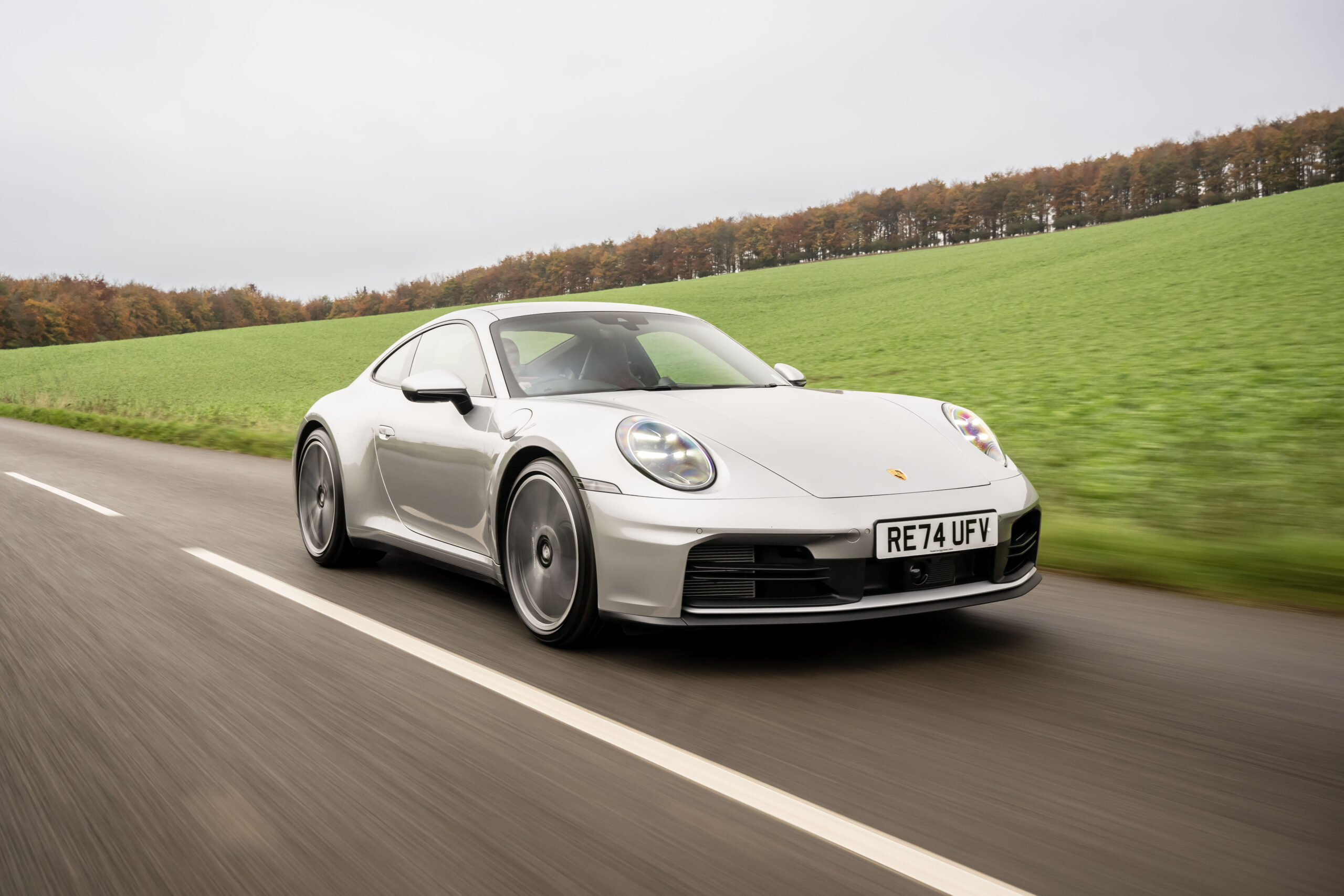
The AMVI of two-to-four-year-old passenger cars remained stable in June compared to May. On the other hand, the supply volume of passenger cars in this age bracket was down by 4.8% compared to the previous year.

The average amount of time needed to sell a used car increased slightly to 68.3 days. Diesel vehicles continued to be the fastest-selling powertrain, taking 59 days to sell on average. This was followed by full hybrids (HEV) at 64.7 days, plug-in hybrids (PHEVs) at 64.9 days and petrol vehicles at 75.7 days. Battery-electric vehicles (BEVs) took the longest amount of time to sell at 84.7 days.
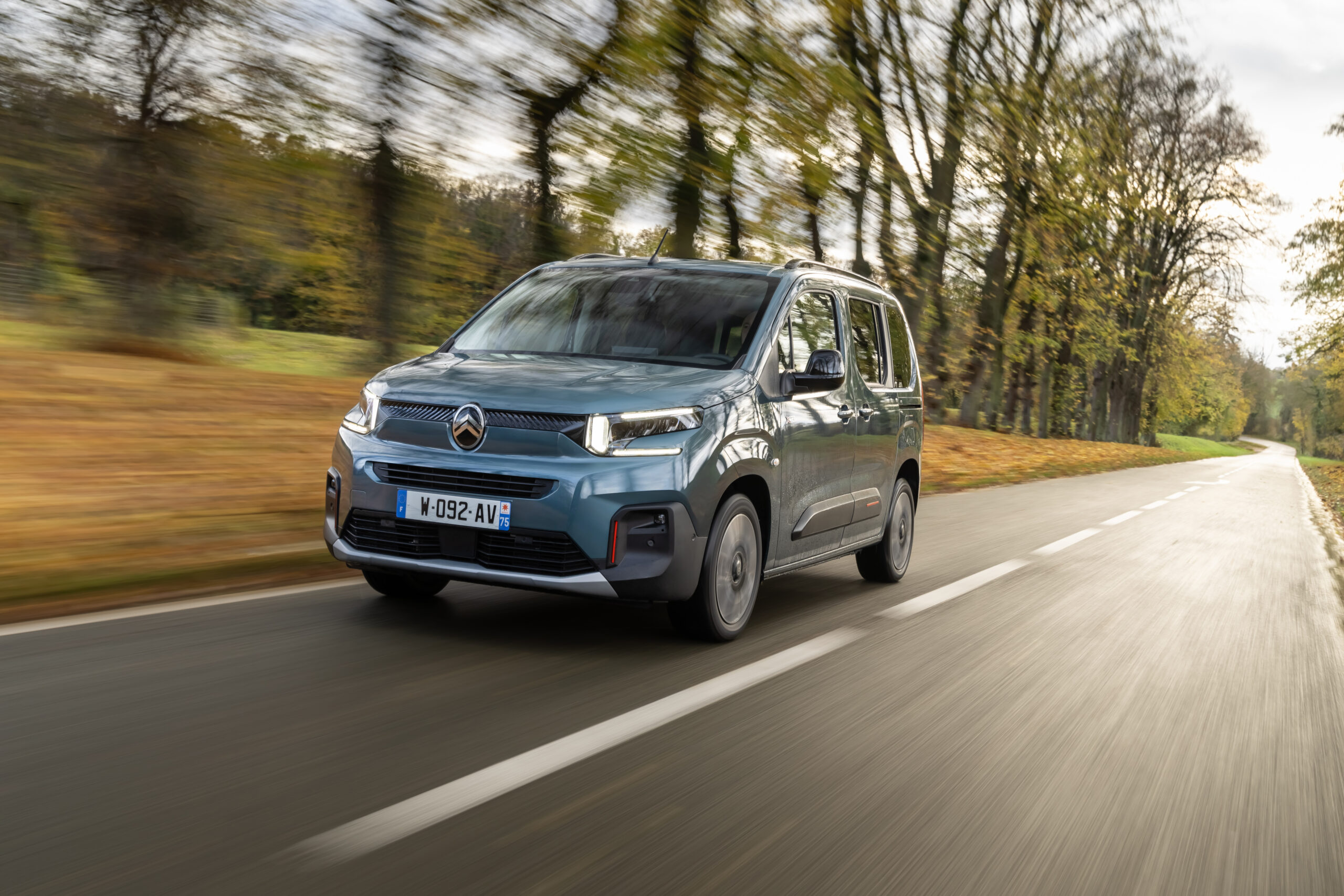
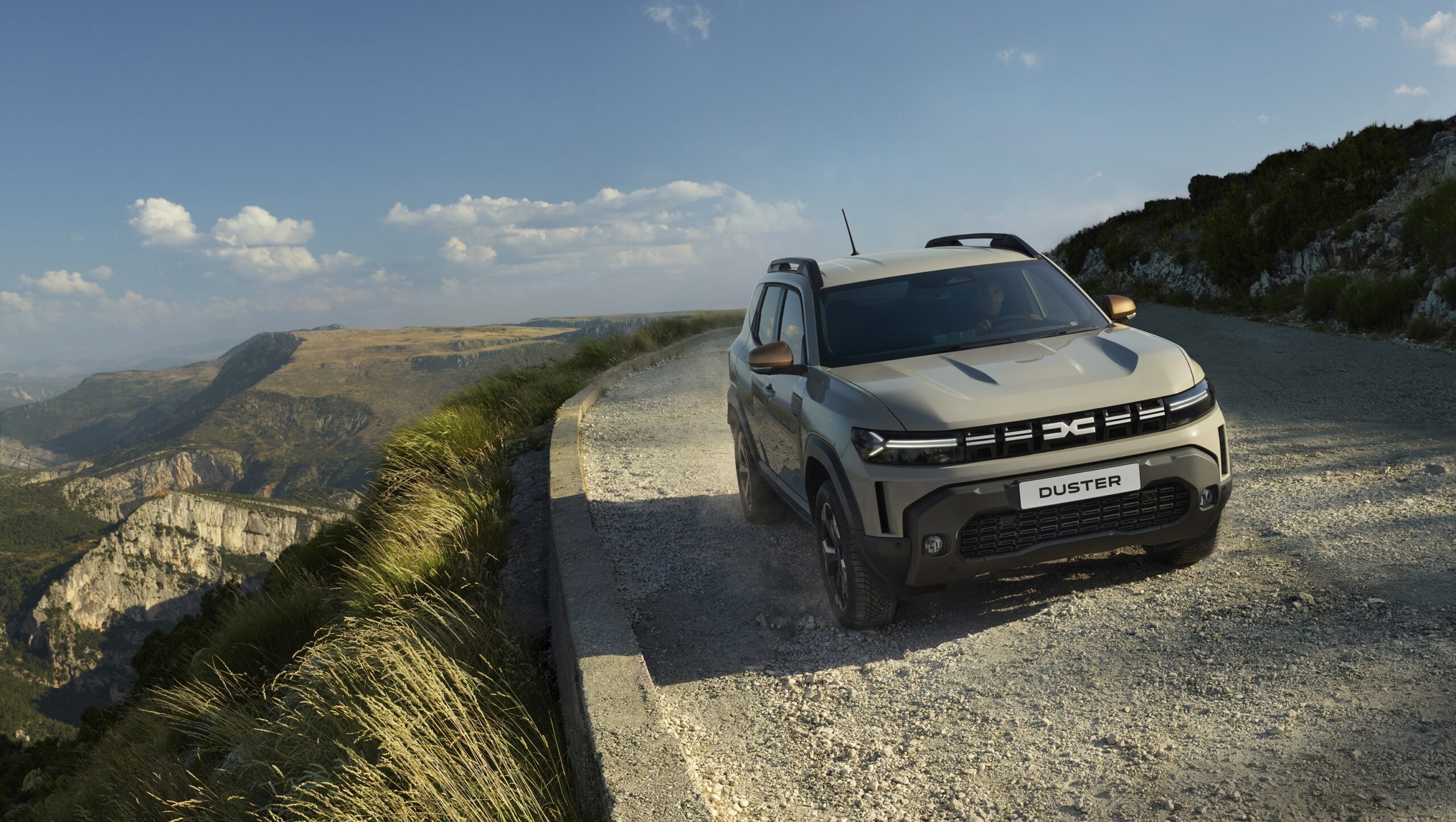
Overall %RVs increased to 48.8% on average last month. This was a 1.5pp increase compared to May but a 2.5pp decrease from June 2024.

HEVs retained the greatest amount of trade value in June at 53.1%, followed by petrol cars at 51.2%. Then came diesel models with 49.3% and PHEVs with 46.1%. BEVs again held the lowest amount of value, at 39.8%.

‘%RVs are expected to decrease in the coming years, but at a slower pace. This is due to weakening demand and unwavering supply. By the end of 2025, %RVs are forecast to decrease by 0.2%. In 2026, a slightly bigger year-on-year drop of 0.7% is also predicted,’ he outlined.

EVs heavily impacted in France

Across the first half of 2025, BEVs and PHEVs have been the most impacted technology in France’s used-car market.

Used-car volume increased slightly in June. However, this was still below pre-COVID-19 levels. Advertising prices have decreased since the beginning of the year. But it still needs to decrease more to help the average days to sell drop.

Petrol %RVs continued to be stable last month, while the quickest sales came from low-cost and small cars. Diesel-powered vehicles remained stable again. This was helped by a lower volume on the new car market, with fleets transitioning to other powertrains, such as HEVs and BEVs.

‘Many new-car buyers in France have transferred from PHEVs to HEVs as the latter technology is cheaper. In turn, this increases volumes on the used car market,’ explained Ludovic Percier, Autovista Group’s senior RV analyst for France.

In June, HEVs recorded a marginal %RV decline, as more expensive vehicles are entering the used-car market. These models do not hold value as well as the first hybrid vehicles. Yet, HEVs were the quickest powertrain to sell this month.

PHEV values were stable in June after a long period of marginal decreases. The technology’s used-car supply is higher than demand. This caused the powertrain to suffer RV declines over the last few months.

‘New PHEV models are now coming with better electric-only ranges and more premium models. This helps to stabilise RVs. List prices on the new-car market remain high, which explains the powertrain’s significant drop in values in the past months,’ he said.

BEVs combat declining RV trend

BEV values increased in June. However, this was because more of the all-electric vehicles sold belonged to the premium sector. These vehicles can retain values comparatively well. However, BEV models took the longest time to sell in June, taking 84.1 days to sell on average, up by 4.3 days on May.

‘BEVs have endured a decreasing RV trend for two years now. In contrast, new-car buyers are willing to pay for BEVs, even if the vehicle is more expensive than internal combustion engine (ICE) models. This is due to tax purposes that benefit companies and employees with company cars,’ highlighted Percier.

However, used-car buyers do not benefit from any similar advantage. So, they are not willing to pay such a high premium compared to ICE vehicles.

Higher driving ranges have helped to maintain RVs but rising prices have had a huge impact on values. Social leasing, Corporate Average Fuel Economy (CAFÉ) regulation and fleet buyers have led to low RVs on this powertrain. However, the situation improved compared to a period when Tesla and BYD operated large discounts on their vehicles.

Germany’s increasing demand

Following a significant decrease in May, Germany’s SVI showed a strong increase in June. Compared to the previous month, this metric was up by 11.8%, and by 3.2% year on year.

‘Meanwhile, the AMVI of two-to-four-year-old passenger cars improved slightly compared to May, with a 4.9% rise. The supply volume of passenger cars in this age bracket dropped by 2% compared to the previous year,’ outlined Madas.

The average number of days needed to sell a used car increased by two days to 60 days in June. Diesel models sold the fastest at 56.2 days, followed by PHEVs at 57.9 days. Then came HEVs at 60.2 days, trailed by petrol cars at 61.6 days, while BEVs took 64.7 days to sell.

The %RVs of 36-month-old cars at 60,000km showed another increase in June. Models held an average %RV of 48.2%. This was a 0.4 percentage point (pp) increase compared to May but a 1.7pp decrease year on year.

Petrol cars led the market with a %RV of 49.9%. Then came diesel cars at 49.1% and HEVs at 49%, followed by PHEVs at 42.9%. BEVs again retained the lowest level of value at 37.1%.

‘Although RVs have stabilised recently, demand remains rather weak. Therefore, RVs can be expected to remain under pressure. In 2025, %RVs are forecast to decrease, down 2.7% when compared with December 2024. Pressure will probably ease in 2026, with RVs forecasted to decline by 1.4%,’ he stated.

RVs drop in Italy

The decline in RVs for three-year-old vehicles continued as expected, down 4.4pp in June compared to one year ago. RVs also suffered a 0.2pp drop compared to May, although this was mostly due to seasonal factors.

There was a slight improvement in the average number of days it takes to sell a used vehicle. Models left the forecourt 1.3 days quicker on average when compared to June 2024.

BEVs saw a significantly steeper RV drop than the overall average, falling by 4.8pp year on year. This trend has remained over the last few months. PHEVs also saw values slump, down by 6.7pp, however, a slight slowdown is beginning to emerge for both technologies.

‘Last month, the year-on-year gap was even wider, so we expect the decline to stabilise by December. BEVs are forecast to endure a drop of 9.9%, while PHEVs are predicted to see RVs fall by 9.1%,’ said Marco Pasquetti, Autovista Group’s head of valuations for Italy.

There are no major surprises from petrol and diesel vehicles, which continue to make up the core of the country’s used car market.

‘In particular, diesel still holds the largest market share and retains residual value better than any other fuel type. This is despite restrictions in many major Italian cities. The fuel type recorded an average RV of 52.4% in June, well above the market average of 47.9%,’ noted Pasquetti.

Although RVs were down across all vehicle types, it’s worth noting that LPG-powered cars were the fastest to sell, taking just over 40 days on average. Furthermore, the powertrain’s top performers sold in under a month.

Switzerland’s stable supply

After a decrease in May, the SVI increased marginally in Switzerland last month. The number of sales observed increased by 4% compared to May. Year-on-year, the SVI was down by 0.9%.

Meanwhile, the AMVI of two-to-four-year-old passenger cars remained almost stable in June compared to the previous month. However, the supply volume of passenger cars in this age bracket slumped by 10.5% compared to the previous year.

Values of 36-month-old cars at 60,000km dropped again in June, as %RVs fell from 43.3% in May to 42.8%. The year-on-year drop was more severe, down 4.7pp from the values recorded 12 months ago.

‘HEVs retained the most value in June by far at 48%. Then came petrol cars at 44.2%, diesel models at 41.8% and PHEVs at 40.3%. BEVs were once again the worst-performing powertrain. All-electric cars held only 36.7% of their original list price after three years and 60,000km,’ outlined Madas.

June saw two-to-four-year-old passenger cars sell slower than in May. These vehicles spent 78 days in stock on average.

‘HEVs sold fastest at 61.2 days, followed by petrol cars at 74.5 days, diesel cars at 77.7 days and BEVs at 89.5 days. Meanwhile, PHEVs needed the most time to sell at 90 days on average,’ he stated.

A trend of relatively stable supply and low demand will continue as various uncertainties shroud 2025. Therefore, %RVs are expected to decrease in the next years, but at a slower pace. By the end of 2025, %RVs are anticipated to decline by 4.2% compared to December 2024. In 2026, a lower year-on-year drop of 1.5% is expected.

The UK’s RV decline

‘The UK used car market remained relatively stable between May and June, with RVs showing only a slight decline,’ commented Jayson Whittington, Autovista Group’s regional head of valuations, UK.

The average three-year-old car retained 50.5% of its original cost-new price. This result marked a modest drop of just 0.3pp from the previous month. The figure was 1pp lower than the same period last year, indicating a subtle year-on-year fall in values.

Retail activity showed signs of improvement, as the SVI increased by 2.7% compared to May. While this uptick is encouraging, it is tempered by sales remaining 18.3% lower than in June of the previous year.

In contrast, the AMVI experienced a slight month-on-month decline of 2.3%. Dealers may be hesitant to increase stock, possibly due to a lack of confidence or limited availability of desirable vehicles. Compared to June 2024, stock levels on dealer forecourts were down by 7%, reinforcing the notion of constrained supply.

The average time it took for a dealer to sell a used car in the UK also improved slightly, decreasing by 0.6 days to an average of 36.9 days.

Seasonal impact incoming

Breaking down RVs by fuel type, petrol vehicles saw a decline of 0.8pp, bringing their average RV to 51.9%. Diesel cars fared slightly better, dropping by 0.3pp to 52.7%. Hybrid vehicles experienced a minor dip of 0.2pp to 54.3%, while PHEVs fell by 0.1pp to 49.1%.

BEVs also saw a 0.3pp fall, with their average RV now sitting at 37.2%. Notably, BEVs have only lost 0.1pp compared to last year, suggesting that their values have begun to stabilise. However, they remain sensitive to fluctuations in supply.

As the summer months approach, the UK used car market typically experiences a seasonal retraction. June reflected this trend, with activity in the wholesale market beginning to soften and hammer prices starting to decline.

‘Whether this signals a cautious approach from dealers or the early signs of weakening retail demand remains to be seen, but it will be important to monitor how these dynamics evolve in the coming weeks,’ Whittington concluded.